
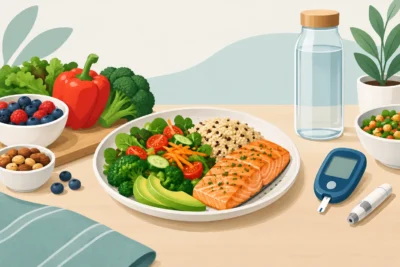
Diabetic Meal Delivery Review for Better Choices


A diabetic meal delivery review should do more than tell you whether a box arrives cold and tastes good. The real question is whether those meals help you build steadier blood sugar habits when life is busy, energy is low, and another drive-through dinner feels like the easiest option.
For many adults with Type 2 diabetes or prediabetes, prepared meal delivery can remove one major obstacle: the daily decision of what to eat. That can be valuable. But a meal labeled “diabetes-friendly” is not automatically right for your body, your carbohydrate needs, your budget, or your health goals. Learning to read beyond the marketing can help you choose a service that supports progress rather than simply offering convenience.
What you\'ll find in this article?
- What a Diabetic Meal Delivery Service Can Do Well
- Diabetic Meal Delivery Review: What to Look For
- Look Past “Low Carb” Claims
- Test Meals With Your Own Blood Sugar Response
- Cost, Convenience, and the Habit That Follows
- A Quick Way to Compare Your Options
- How to Make Delivery Meals Work Harder for You
What a Diabetic Meal Delivery Service Can Do Well
A good meal delivery service gives you structure. Instead of starting at 6 p.m. with no plan and reaching for pizza, you have a portioned meal with nutrition information ready to heat. That consistency can make it easier to reduce refined carbohydrates, limit oversized portions, and eat more vegetables and protein.
It can also help people who are newly diagnosed feel less overwhelmed. Planning meals from scratch requires shopping, label reading, cooking skills, and time. A prepared option can create breathing room while you learn which foods keep your glucose more stable.
The trade-off is that delivery meals do not teach every skill needed for long-term success. You still need to understand how your body responds to carbohydrates, what a balanced plate looks like, and how to make smart choices at restaurants, family gatherings, and the grocery store. Think of delivery as a tool, not a cure or a substitute for daily food awareness.

Diabetic Meal Delivery Review: What to Look For
The best service is not necessarily the one with the lowest carb number. Your full nutrition picture matters. A meal with very few carbohydrates but little fiber, poor-quality fats, and heavy sodium may not help you feel satisfied or support heart health.
Start with the total carbohydrate amount per meal. There is no single perfect target because medication use, activity level, body size, and glucose response all matter. Still, many people do well beginning with meals that provide a moderate, consistent amount of carbohydrate rather than large swings from one meal to the next. If you use insulin or medication that can cause low blood sugar, changing your carbohydrate intake sharply without medical guidance can be risky.
Fiber deserves equal attention. Meals built around non-starchy vegetables, beans in appropriate portions, nuts, seeds, and minimally processed whole foods tend to be more filling and often produce a gentler glucose response than meals centered on white rice, pasta, bread, mashed potatoes, or sugary sauces. A meal can technically fit a carb limit and still be mostly processed food.
Protein also matters because it supports fullness and helps make meals more satisfying. Look for recognizable sources such as chicken, fish, eggs, tofu, Greek yogurt, lean meat, or legumes. The goal is not to eat unlimited protein. It is to avoid meals that leave you hungry an hour later because the main ingredients were refined starches.
Sodium is an easy detail to overlook. Diabetes and high blood pressure often travel together, and many frozen or prepared meals rely on salt for flavor and shelf life. Compare several meals, not just one. If most selections contain a large share of your daily sodium allowance, balance them with lower-sodium foods during the rest of the day or choose another provider.

Look Past “Low Carb” Claims
“Low carb” can be helpful language, but it is not a complete quality standard. Some low-carb meals are rich in vegetables, healthy fats, and satisfying protein. Others lean heavily on processed meats, creamy sauces, and salt. Neither a keto label nor a diabetic label tells you everything you need to know.
Pay attention to ingredients you recognize. A simple meal of grilled chicken, roasted broccoli, lentils, and a light sauce may be easier to evaluate than a heavily engineered entrée with a long list of additives. That does not mean every packaged ingredient is harmful. It means your everyday foundation should still look like real food.
Also consider the portion size. A 350-calorie meal may work well for one person and leave another person raiding the pantry afterward. If a delivered meal is too small, add a side salad, steamed vegetables, a handful of nuts, or plain Greek yogurt instead of turning to chips or sweets. A plan that leaves you constantly hungry is hard to maintain.
Test Meals With Your Own Blood Sugar Response
Nutrition labels provide a starting point, but your meter or continuous glucose monitor can provide personal feedback. Two people can eat the same meal and see different results based on sleep, stress, exercise, medication, insulin resistance, and their individual tolerance for certain foods.
When trying a new delivery service, keep your experiment simple. Choose a meal, note the carbohydrates and fiber, and check your glucose according to the plan you have discussed with your healthcare professional. Watch for patterns over several meals, not one isolated reading. A poor night of sleep or an unusually stressful day can affect results.
You may find that a meal containing beans works well for you because the fiber keeps you full, while another meal with a smaller carb count but a sweet sauce sends your blood sugar higher. That is useful information. Personal data can turn a generic meal plan into a more effective routine.
If you take insulin, sulfonylureas, or other glucose-lowering medications, do not make major food changes without discussing them with your prescriber. Better eating can improve glucose levels, but medication needs may need adjustment to prevent lows.
Cost, Convenience, and the Habit That Follows
Meal delivery is usually more expensive than cooking basic meals at home. That does not automatically make it a bad value. If it replaces frequent takeout, reduces food waste, and helps you avoid impulsive eating, it may fit your budget better than it first appears.
Before committing, calculate the cost per meal after shipping, not just the advertised price. Look at how many meals you realistically need each week. Some people use delivery for weekday lunches only, while others keep a few meals in the freezer for high-stress evenings. You do not have to outsource every meal for the service to be useful.
Variety matters, too. If every dinner tastes like a diet entrée, motivation will fade quickly. Look for menus with vegetables, different protein choices, and flavors you genuinely enjoy. Healthy eating should be satisfying enough to repeat.
A Quick Way to Compare Your Options
Use this short checklist when comparing services:
- Clear nutrition facts for every meal, including total carbohydrates, fiber, protein, calories, and sodium.
- Meals centered on vegetables and recognizable protein rather than refined starches or sugary sauces.
- Portions that satisfy you without pushing you toward late-night snacking.
- Menu flexibility for food preferences, allergies, and changing needs.
- A realistic delivered price that you can sustain beyond a short introductory offer.
Be cautious with companies that make dramatic promises about curing diabetes or guaranteeing blood sugar results. No delivery box can replace medical care, regular monitoring, movement, sleep, or the steady habits that improve metabolic health over time.
How to Make Delivery Meals Work Harder for You
A prepared meal works best when it becomes part of a wider routine. Eat at fairly regular times when possible, drink water instead of sweetened beverages, and take a short walk after meals if your body allows. Even 10 to 15 minutes of movement after eating can be a practical habit for many people trying to improve post-meal glucose control.
Use the meals as education. Notice how they divide the plate: protein, vegetables, and a controlled carbohydrate portion. Then practice recreating simple versions at home. A delivery meal with salmon, green beans, and quinoa can become a grocery-list template, not just a one-time dinner.
At Diabetes Cure Now, the focus is on practical choices that put more control back in your hands. Meal delivery can support that goal when it makes healthy eating easier, not when it encourages you to stop paying attention to what your body needs.
The strongest choice is the service you can use consistently while continuing to learn. Start with a small order, read every label, track how you feel and how your glucose responds, and keep the meals that make healthy routines feel more possible tomorrow than they did today.
Important notice: The content of Diabetes Cure Now is solely educational and informational and does not replace the evaluation, diagnosis, or treatment of a doctor or health professional. Before making changes to your diet, exercise, or medication, consult with a qualified professional..
Content reviewed for educational purposes and based on public medical sources.
Sources consulted
- American Diabetes Association (ADA)
- Mayo Clinic
- CDC
- NIH
12 Diabetic Recipes That Keep Meals Balanced
Diabetic Kidney Health Guide for Daily Protection

How to Start Walking With Diabetes Safely
10 Healthy Soups for Diabetics That Satisfy
Do Chia Seeds for Blood Sugar Really Help?

How to Reduce Dawn Phenomenon Naturally
Is Fruit Safe for Diabetes? What to Know

How to Walk After Meals for Better Blood Sugar