
How to Reverse Insulin Resistance Naturally


A high fasting glucose reading can feel like a warning you cannot ignore. The encouraging news is that insulin resistance often responds strongly to daily habits. Learning how to reverse insulin resistance naturally means improving how your muscles, liver, and fat cells respond to insulin through food, activity, sleep, and sustainable weight management.
This is not about finding one miracle food or forcing yourself through an extreme diet. It is about making your body need less insulin to move glucose out of your bloodstream and into your cells. Many people see meaningful improvements in blood sugar, energy, triglycerides, and waist size when they consistently work on these foundations.
What you\'ll find in this article?
- What Insulin Resistance Really Means
- How to Reverse Insulin Resistance Naturally With Food
- Use Movement to Make Your Cells More Sensitive to Insulin
- Lose Excess Weight, but Avoid the All-or-Nothing Trap
- Protect Sleep and Lower Daily Stress
- Track What Your Body Is Telling You
- Be Careful With Supplements and Medication Changes
What Insulin Resistance Really Means
Insulin is the hormone that helps blood sugar enter your cells for energy. When cells become less responsive to insulin, your pancreas has to release more of it to get the same job done. That is insulin resistance.
For a while, your pancreas may keep up. But over time, blood sugar can rise into the prediabetes or Type 2 diabetes range. High insulin levels can also make hunger, cravings, belly-fat gain, and fatigue feel harder to manage.
Insulin resistance is not a personal failure, and it is not always caused by one habit. Genetics, age, sleep apnea, certain medications, chronic stress, menopause, and carrying excess body fat can all play a role. Still, lifestyle changes can make a real difference because they address the daily conditions that influence insulin sensitivity.

How to Reverse Insulin Resistance Naturally With Food
The most effective eating pattern is usually one you can continue for months, not a short cleanse that leaves you hungry and exhausted. Start by reducing the foods that raise blood sugar quickly and offer little fullness: sugary drinks, candy, pastries, sweetened cereals, oversized portions of white bread, chips, and many packaged snack foods.
You do not have to eliminate every carbohydrate. The goal is to choose carbohydrates that come packaged with fiber and nutrients, then eat portions that work for your body. Beans, lentils, vegetables, plain Greek yogurt, berries, oats, and intact whole grains are generally more blood-sugar-friendly than soda, cookies, fruit juice, or refined flour products.
Build Meals Around Protein and Fiber
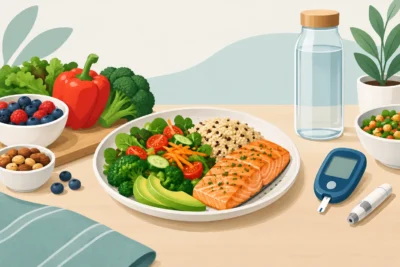
A simple plate can prevent the blood sugar roller coaster. Fill about half your plate with non-starchy vegetables such as broccoli, green beans, peppers, salad greens, zucchini, or cauliflower. Add a solid portion of protein, such as eggs, fish, chicken, turkey, tofu, cottage cheese, or beans. Then include a modest serving of a high-fiber carbohydrate if you want one, along with a source of healthy fat like avocado, olive oil, nuts, or seeds.
Protein and fiber help slow digestion and can make meals more satisfying. That matters because constant grazing and intense cravings often make it harder to lower calorie intake and improve insulin sensitivity.
Breakfast deserves special attention. A muffin, sweet coffee drink, or bowl of sugary cereal can send blood sugar high before the day has started. Try a vegetable omelet, unsweetened Greek yogurt with berries and nuts, or eggs with avocado and a side of fruit instead.

Watch Liquid Sugar and Late-Night Eating
Sugary beverages are one of the fastest changes to make. Regular soda, sweet tea, energy drinks, flavored coffee drinks, and fruit juice can deliver a large glucose load without making you feel full. Water, sparkling water, unsweetened tea, and coffee without sugar are better everyday choices.
Late-night eating is not automatically harmful, but it can become a problem when it means large portions, desserts, alcohol, or frequent snacking while watching television. If you notice higher morning readings, experiment with finishing dinner earlier and making the evening kitchen a calmer place. Consistency matters more than perfection.
Use Movement to Make Your Cells More Sensitive to Insulin
Your muscles can use glucose for fuel when they contract, even without needing as much insulin. That makes movement one of the most immediate natural tools for improving blood sugar.
A 10- to 15-minute walk after meals is a powerful place to start. You do not need fancy equipment, and you do not need to walk fast enough to feel miserable. A comfortable but purposeful pace after lunch or dinner can blunt the usual rise in blood sugar after eating.
Aim to build toward at least 150 minutes of moderate activity per week if your health allows it. Brisk walking, swimming, biking, dancing, and water aerobics all count. The best exercise is the one you will actually repeat.
Do Not Skip Strength Training
Muscle is one of the body’s largest storage sites for glucose. More active muscle tissue generally means a better place for sugar to go after a meal. Two or three strength sessions weekly can help, whether you use resistance bands, dumbbells, machines, body-weight movements, or a chair-based routine.
Start where you are. Sit-to-stands from a sturdy chair, wall push-ups, light rows with a band, and step-ups can be enough to begin. If you have neuropathy, balance problems, heart disease, severe joint pain, or uncontrolled blood pressure, ask your healthcare professional what type of exercise is safest.
Lose Excess Weight, but Avoid the All-or-Nothing Trap
For people who carry extra weight, losing even 5% to 10% of starting body weight can improve insulin sensitivity and lower blood sugar. The reason is not cosmetic. Reducing excess fat, especially around the liver and abdomen, can help the body respond to insulin more effectively.
But extreme restriction is not required. A steady calorie deficit created by better portions, fewer liquid calories, more protein and vegetables, and regular activity is often more sustainable than a punishing plan. If your weight loss has stalled, look at the habits that quietly add up: restaurant portions, alcohol, sugary drinks, frequent snacks, and inconsistent weekends.
Some people improve insulin resistance without major weight loss, especially when they become more active and reduce refined carbohydrates. Others need meaningful weight loss to see their strongest improvement. Your response depends on your starting health, genetics, medications, and how long blood sugar has been elevated.
Protect Sleep and Lower Daily Stress
Poor sleep can raise stress hormones, increase appetite, and make blood sugar harder to control the next day. Adults generally do best with seven to nine hours of sleep, although individual needs vary. Keep a regular sleep schedule, limit alcohol close to bedtime, and reduce bright screens during the last hour before bed when possible.
If you snore loudly, wake up gasping, feel unusually tired during the day, or have resistant high blood pressure, ask about sleep apnea. Untreated sleep apnea is strongly connected with insulin resistance and can make healthy habits feel much harder than they should.
Stress also affects glucose. You cannot remove every stressful situation, but you can create short recovery periods. A walk outside, slow breathing for five minutes, prayer, stretching, journaling, or a phone call with someone supportive can lower the urge to stress-eat and help you reset before the next decision.
Track What Your Body Is Telling You
What gets measured can become easier to improve. Ask your clinician about checking fasting glucose, A1C, blood pressure, cholesterol, triglycerides, and liver enzymes. These numbers give a clearer picture than weight alone.
If you use a glucose meter, test in a structured way rather than randomly. For example, check before a familiar meal and again one or two hours afterward, following your clinician’s guidance. Notice which meals keep readings steadier and which combinations lead to large spikes. The goal is not to fear food. It is to learn your personal patterns.
A waist measurement can also be useful. A shrinking waistline often signals improved metabolic health, even if the scale moves slowly.
Be Careful With Supplements and Medication Changes
Supplements may sound appealing, but they are not a substitute for food, movement, sleep, and medical follow-up. Some products marketed for blood sugar contain ingredients that can interact with medications or cause side effects. Cinnamon, berberine, magnesium, and other popular options may be appropriate for some people, but the evidence and safety depend on the person and product.
Never stop or reduce diabetes medication on your own. If you take insulin or medicines that can cause low blood sugar, lifestyle improvements may change the dose you need. That is good news, but it should be managed with your prescribing clinician so you can avoid dangerous lows.
Insulin resistance can improve at any age, and every meal, walk, and better night of sleep gives your body another chance to respond. Start with one change you can repeat this week, then let that small win become the foundation for the next one.
Important notice: The content of Diabetes Cure Now is solely educational and informational and does not replace the evaluation, diagnosis, or treatment of a doctor or health professional. Before making changes to your diet, exercise, or medication, consult with a qualified professional..
Content reviewed for educational purposes and based on public medical sources.
Sources consulted
- American Diabetes Association (ADA)
- Mayo Clinic
- CDC
- NIH
12 Diabetic Recipes That Keep Meals Balanced
Diabetic Kidney Health Guide for Daily Protection
How to Start Walking With Diabetes Safely
10 Healthy Soups for Diabetics That Satisfy
Do Chia Seeds for Blood Sugar Really Help?

How to Reduce Dawn Phenomenon Naturally
Is Fruit Safe for Diabetes? What to Know
How to Walk After Meals for Better Blood Sugar