
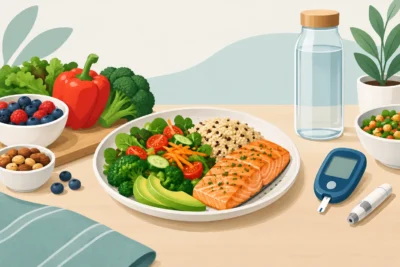
How to Start Diabetic Meal Prep Without Stress


A blood sugar-friendly eating plan does not need to mean eating bland food from identical containers all week. When you learn how to start diabetic meal prep, the goal is simpler: make the next healthy choice easier when you are busy, hungry, or tired. A few prepared ingredients can help you build satisfying meals that support steadier blood sugar and make your routine feel more manageable.
Meal prep can be especially useful for people with Type 2 diabetes or prediabetes because it reduces last-minute decisions. When lunch is already packed and dinner is mostly ready, you are less likely to rely on drive-through meals, oversized portions, or carb-heavy snacks that can send glucose climbing.
What you\'ll find in this article?
How to Start Diabetic Meal Prep With One Clear Goal
Do not begin by trying to prepare every meal and snack for seven days. That approach can feel restrictive, create food waste, and make you quit before you find a system that works. Start by choosing one problem meal, such as weekday lunches, late-afternoon snacks, or dinners after a long workday.
Your first goal might be to prepare three lunches for the workweek. Or it may be to cook two proteins, wash vegetables, and make one high-fiber side that can become several different dinners. Consistency matters more than filling your refrigerator with perfectly portioned containers.
Meal prep supports blood sugar because it helps you control the factors that affect your glucose most: carbohydrate amount, food quality, portion size, and meal balance. You still need to pay attention to how foods affect your own body. A meal that works well for one person may raise blood sugar more than expected for another.

Build Meals Around the Plate Method
You do not need to count every calorie to make your prep diabetes-friendly. A simple starting point is the plate method. At most meals, fill about half your plate with non-starchy vegetables, one-quarter with protein, and one-quarter with a high-fiber carbohydrate.
Non-starchy vegetables include broccoli, cauliflower, green beans, peppers, zucchini, leafy greens, tomatoes, mushrooms, asparagus, and salad greens. They add volume, nutrients, and fiber with relatively little effect on blood sugar.
Protein helps make meals satisfying and can slow the rise in blood glucose when eaten with carbohydrates. Good choices include chicken, turkey, fish, eggs, tofu, tempeh, plain Greek yogurt, cottage cheese, and beans. Choose options with minimal added sugar and avoid making processed meats your everyday staple.
For the carbohydrate section, focus on quality and quantity. Brown rice, quinoa, oats, sweet potatoes, lentils, black beans, chickpeas, fruit, and whole-grain breads can fit into a diabetes-friendly routine. The best portion depends on your medication, activity level, weight goals, and personal glucose response. For many people, starting with about one-half to one cup of cooked starch at a meal is more helpful than eliminating carbohydrates entirely.
Healthy fats can round out the meal and improve satisfaction. Use olive oil, avocado, nuts, seeds, or natural nut butter in modest amounts. These foods are nutritious, but portions still matter because they are calorie-dense.

Choose a Prep Style You Can Repeat
There is no single right way to meal prep. Some people prefer complete grab-and-go meals. Others get bored easily and do better with ingredient prep, where they cook a few basics and combine them differently throughout the week.
Ingredient prep is often the most flexible place to start. Roast a tray of vegetables, cook a protein, prepare a pot of lentils or quinoa, and keep salad ingredients ready to use. You can turn those foods into a grain bowl one day, a salad the next, and a quick skillet meal later in the week.
Complete meals may be better if portion control is your biggest challenge or if you often skip lunch. Divide meals into containers right after cooking so you are not estimating portions when you are hungry. Include a protein source and vegetables in each container, then add a measured serving of carbohydrate.
A hybrid plan works well for many households: prep three lunches, make one freezer-friendly dinner, and keep flexible ingredients available for the remaining meals. This keeps food from feeling repetitive while still protecting your busiest days.
Make a Simple Diabetic Meal Prep Grocery List
A good grocery list prevents the common mistake of buying healthy foods without having a plan to use them. Before shopping, choose two proteins, two or three vegetables, one or two fiber-rich carbohydrates, and a few easy snacks.
For a basic week, you might buy chicken breast or salmon, eggs, broccoli, bell peppers, salad greens, sweet potatoes, canned no-salt-added beans, berries, plain Greek yogurt, and almonds. Frozen vegetables and frozen berries are also excellent options. They are convenient, affordable, and reduce waste.
Read labels on sauces, dressings, yogurt, cereal, snack bars, and frozen meals. Added sugars can show up in foods that sound healthy. Look beyond front-label claims and check the serving size, total carbohydrates, fiber, protein, and added sugars. A sugary sauce can turn an otherwise balanced meal into a bigger blood sugar challenge.
Keep a few convenience foods on hand for difficult weeks. Rotisserie chicken, bagged salad, canned tuna or salmon, pre-cut vegetables, hard-boiled eggs, and low-sodium soup can help you stay on track when time is limited. Meal prep should reduce pressure, not create more of it.
Start With Three Easy Meal Ideas
A practical breakfast is egg muffins made with eggs, spinach, peppers, and a little cheese, served with berries or a small slice of whole-grain toast. Another option is plain Greek yogurt with berries, chia seeds, and walnuts. If oatmeal works for your glucose, pair it with protein such as eggs or yogurt rather than eating it alone.
For lunch, try a chicken and vegetable bowl with roasted broccoli, peppers, a small serving of quinoa, and olive oil with lemon or a low-sugar dressing. A tuna salad stuffed into bell pepper halves with a side of beans and greens is another quick option.
For dinner, prepare turkey chili with beans, tomatoes, onions, and peppers. Serve it with a large salad or roasted vegetables. You can also bake salmon and pair it with green beans and a small sweet potato. These meals are simple, filling, and easy to portion for leftovers.
Use Your Blood Sugar Readings as Feedback
Meal prep gives you a useful opportunity to notice patterns. If you monitor blood glucose, check your readings according to the plan recommended by your healthcare professional and record how you feel after meals. Pay attention to meals that leave you energized and satisfied, as well as meals followed by fatigue, cravings, or unusually high readings.
If a meal raises your blood sugar more than you expected, do not assume you have failed. Try adjusting one variable next time. You might reduce the starch portion, add more vegetables, switch from juice to water, include more protein, or take a short walk after eating. Small changes can produce meaningful results over time.
Be especially careful if you take insulin or medications that can cause low blood sugar, such as sulfonylureas. Cutting carbohydrates sharply or delaying meals may require medication adjustments. Work with your doctor or a registered dietitian before making major changes to your eating pattern.
Keep the Plan Realistic Enough to Last
The best diabetic meal prep plan is one you will actually eat. Leave room for family meals, favorite foods, restaurant meals, and changing schedules. You can still make a restaurant dinner work by choosing grilled protein, vegetables, water or unsweetened tea, and a reasonable portion of starch.
Set aside one or two hours on a day that suits your schedule. Wash produce, cook your main ingredients, cool foods promptly, and store them in clear containers so they do not disappear in the back of the refrigerator. Most cooked meals are best used within three to four days, while extra portions can be frozen for later.
Start with one prepared meal this week, then build from there. Each balanced lunch you pack and each dinner you plan ahead is a practical vote for better blood sugar, more energy, and greater control over your health.
Important notice: The content of Diabetes Cure Now is solely educational and informational and does not replace the evaluation, diagnosis, or treatment of a doctor or health professional. Before making changes to your diet, exercise, or medication, consult with a qualified professional..
Content reviewed for educational purposes and based on public medical sources.
Sources consulted
- American Diabetes Association (ADA)
- Mayo Clinic
- CDC
- NIH
12 Diabetic Recipes That Keep Meals Balanced
Diabetic Kidney Health Guide for Daily Protection

How to Start Walking With Diabetes Safely
10 Healthy Soups for Diabetics That Satisfy
Do Chia Seeds for Blood Sugar Really Help?

How to Reduce Dawn Phenomenon Naturally
Is Fruit Safe for Diabetes? What to Know
How to Walk After Meals for Better Blood Sugar