
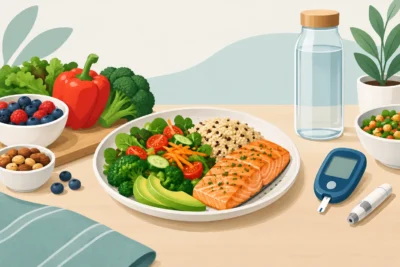
Late Night Eating Blood Sugar: What Happens?


A bowl of cereal at 10:30 p.m. can affect your glucose differently than the same bowl at 8:00 a.m. That is why late night eating blood sugar is not a simple yes-or-no issue. Your food choice, portion size, activity level, sleep quality, medication, and current blood sugar all shape what happens next.
For people with Type 2 diabetes or prediabetes, the goal is not to fear every evening snack. The goal is to avoid the patterns that keep glucose elevated overnight and lead to frustrating morning readings. With a few practical adjustments, you can make nighttime eating work better for your metabolism.
What you\'ll find in this article?
Does late night eating raise blood sugar?
It can, especially when the meal or snack contains a large amount of fast-digesting carbohydrates. Foods such as cookies, chips, sweetened yogurt, ice cream, white bread, sugary cereal, and soda can raise blood glucose quickly. If you eat them shortly before bed, your body has less opportunity to use that incoming glucose for movement and daily activity.
Many people are also more insulin resistant later in the day. Insulin is the hormone that helps move glucose from your bloodstream into cells for energy. When insulin is not working as efficiently, the same carbohydrate portion may produce a higher reading at night than it would earlier in the day.
But eating late is not automatically harmful. A small, balanced snack may have little effect on glucose, particularly if it contains protein, fiber, or healthy fat. For some people using insulin or certain diabetes medications, a planned bedtime snack may even help prevent overnight low blood sugar.

The key question is not only, “What time did I eat?” Ask, “What did I eat, how much did I eat, and what does my meter or continuous glucose monitor show afterward?”
Why morning blood sugar can be high after a late meal
A high fasting reading does not always mean your dinner alone was the problem. The body continues regulating glucose while you sleep, and several things can push numbers upward.
First, a large or carb-heavy meal close to bedtime can keep digestion going for hours. Meals high in both carbohydrates and fat, such as pizza, burgers with fries, or rich desserts, can cause a delayed rise. You may look fine shortly after eating but see higher glucose later in the night or upon waking.
Second, poor sleep can make blood sugar harder to manage. A heavy meal, reflux, alcohol, or discomfort can disrupt sleep. Even one restless night may increase stress hormones and reduce insulin sensitivity the next day.
There is also the dawn phenomenon. In the early morning, the body releases hormones that signal the liver to put glucose into the bloodstream. This is normal biology, but it can create a noticeable morning rise in people with diabetes. A late meal may add to the problem, though dawn phenomenon can occur even when you stop eating hours before bed.

Late night eating blood sugar and the “rebound” myth
Some people wake up high and assume their blood sugar dropped too low overnight, causing a major rebound. This is sometimes called the Somogyi effect. While overnight lows can happen, especially with insulin or medications that stimulate insulin release, they are less common than many people think.
Do not guess. If morning readings are consistently high, check your glucose at bedtime and, if your care plan allows, once during the night for several days. A continuous glucose monitor can make this pattern easier to see. If glucose is low overnight, your medication, dinner timing, exercise routine, or bedtime snack may need adjustment with your clinician.
Never add a bedtime snack simply because your morning number is high. If your glucose is already elevated at bedtime, another carbohydrate snack may worsen the issue.
When a bedtime snack may make sense
A bedtime snack is most useful when there is a clear reason for it. For example, you may be genuinely hungry after an early dinner, you may have had extra physical activity, or you may be at risk for a nighttime low because of your medication plan.
Choose something modest and satisfying rather than turning it into a second dinner. A good option usually centers on protein, fiber, or both, with limited added sugar. Examples include plain Greek yogurt with a few berries, a small apple with peanut butter, cottage cheese, a hard-boiled egg with vegetables, or a small handful of nuts.
Portion size still matters. Nut butters, cheese, nuts, and full-fat dairy can be nutritious, but calories add up quickly. If weight loss is one of your goals for improving insulin sensitivity, regular oversized snacks can work against you even when they are lower in carbohydrates.
Foods that commonly cause trouble at night
The biggest problem foods are usually highly processed, easy to overeat, and low in fiber. They often appear during television time, stress eating, or late work nights. Watch especially for sugary drinks, candy, baked goods, crackers, pretzels, sweet cereals, and large servings of fruit juice or dried fruit.
Alcohol deserves extra caution. It may initially raise glucose when mixed with sugary beverages, then contribute to low blood sugar later, particularly if you use insulin or sulfonylurea medications. Alcohol can also interfere with sleep and make it harder to recognize symptoms of a low. If you drink, have it with food, keep the serving moderate, and discuss safety with your healthcare professional.
A practical nighttime routine for steadier glucose
Start by giving dinner enough time to digest before lying down. For many people, finishing dinner two to three hours before bed is a useful target. It is not a rigid rule, but it often reduces both reflux and late glucose spikes.
Build dinner around non-starchy vegetables, a protein source, and a reasonable portion of high-fiber carbohydrates if you include them. Think grilled chicken or beans, roasted vegetables, and a small serving of brown rice, lentils, or sweet potato. This approach is more blood-sugar-friendly than a plate dominated by pasta, bread, or takeout fries.
A short walk after dinner is one of the most practical tools you have. Even 10 to 15 minutes of easy walking can help working muscles use glucose. You do not need an intense workout before bed. Consistency matters more than perfection.
If you want a snack, pause first. Drink water or herbal tea, wait 10 minutes, and ask whether you are physically hungry or simply tired, bored, or stressed. If hunger is real, choose a planned option with protein and fiber. Keeping trigger foods out of your usual nighttime routine makes this decision much easier.
Use your readings to find your personal pattern
Your body gives you useful feedback. For one week, write down your dinner time, foods eaten, bedtime glucose, morning glucose, sleep quality, and any nighttime snack. You may quickly notice that certain meals, portions, or eating times lead to higher readings.
General targets vary by person, but many adults with diabetes aim for fasting glucose between 80 and 130 mg/dL. Your personal target may be different based on age, medications, health conditions, and your clinician’s guidance. If you use a continuous glucose monitor, focus on trends rather than reacting emotionally to one isolated number.
Call your healthcare team if you have repeated morning readings above your target, frequent readings below 70 mg/dL, or symptoms such as shaking, sweating, confusion, severe thirst, or frequent urination. Food changes are powerful, but medication safety comes first. Do not stop or reduce diabetes medication without professional guidance.
A late snack does not have to derail your progress. Make dinner more balanced, move a little afterward, choose snacks with intention, and let your blood sugar data guide you. Small evening choices, repeated consistently, can help you wake up feeling more in control of your health.
Important notice: The content of Diabetes Cure Now is solely educational and informational and does not replace the evaluation, diagnosis, or treatment of a doctor or health professional. Before making changes to your diet, exercise, or medication, consult with a qualified professional..
Content reviewed for educational purposes and based on public medical sources.
Sources consulted
- American Diabetes Association (ADA)
- Mayo Clinic
- CDC
- NIH
12 Diabetic Recipes That Keep Meals Balanced
Diabetic Kidney Health Guide for Daily Protection
How to Start Walking With Diabetes Safely
10 Healthy Soups for Diabetics That Satisfy
Do Chia Seeds for Blood Sugar Really Help?

How to Reduce Dawn Phenomenon Naturally
Is Fruit Safe for Diabetes? What to Know
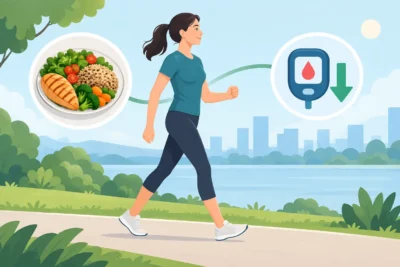
How to Walk After Meals for Better Blood Sugar