
Mediterranean Diet Diabetes Comparison Made Simple


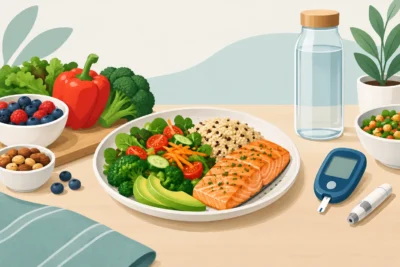
A plate of grilled chicken, roasted vegetables, lentils, olive oil, and a small serving of fruit may look simple, but it can work very differently in your body than a plate built around refined bread, fries, and sugary drinks. This mediterranean diet diabetes comparison helps explain why this eating pattern is often recommended for people with Type 2 diabetes and prediabetes - and where it may need to be adjusted for your own blood sugar goals.
The Mediterranean diet is not a strict meal plan with one approved grocery list. It is a flexible pattern centered on vegetables, beans, nuts, seeds, fish, olive oil, fruit, and minimally processed foods. For many people, that flexibility makes it easier to sustain than a highly restrictive diet. But better blood sugar still comes down to portions, carbohydrate quality, daily habits, and consistent follow-through.
What you\'ll find in this article?
Mediterranean Diet Diabetes Comparison: What Changes?
Compared with a typical American eating pattern, the Mediterranean diet usually replaces fast-digesting carbohydrates and heavily processed fats with fiber-rich foods and healthier unsaturated fats. That shift can reduce sharp blood sugar swings after meals while also supporting weight loss, blood pressure, and heart health.
A typical high-blood-sugar diet often includes sweetened coffee drinks, cereal, white toast, chips, fast food, desserts, and large portions of rice, pasta, or potatoes. These foods are not all forbidden, but eating them frequently can make glucose control harder. They tend to be low in fiber and easy to overeat.
The Mediterranean approach emphasizes foods that slow the meal down metabolically. A bowl of beans has carbohydrate, for example, but it also contains fiber and protein. An apple contains natural sugar, but it is far different from apple juice because the whole fruit is more filling and digests more gradually.

Olive oil, nuts, avocado, and fatty fish add satisfying fats without relying on the trans fats and excess saturated fats often found in packaged snacks and fried foods. This matters because people with diabetes face a higher risk of heart disease. A plan that supports both glucose and cardiovascular health has a meaningful advantage.
How It Compares With Other Diabetes Diets
There is no single best diet for every person with diabetes. The right plan is the one that improves your blood sugar, helps you reach or maintain a healthier weight, provides adequate nutrition, and feels realistic enough to continue.
Mediterranean diet vs. low-carb diets
Low-carb diets often lower blood sugar quickly because they reduce the main nutrient that raises glucose: carbohydrate. This can be especially useful for someone who notices high readings after bread, cereal, rice, sweets, or large portions of starchy foods.
The Mediterranean diet can be lower in carbohydrates, but it does not have to be. It may include beans, fruit, whole grains, and starchy vegetables in sensible portions. That makes it less restrictive, but some people will need to watch portions more closely than they would on a low-carb plan.
If your fasting glucose and after-meal readings are high, a Mediterranean-style low-carb approach can be a strong middle ground. Keep the vegetables, fish, olive oil, nuts, and herbs, while reducing bread, pasta, crackers, sweets, and oversized grain portions.

Mediterranean diet vs. low-fat diets
Traditional low-fat plans may reduce calories by cutting oils, nuts, cheese, and other fat-containing foods. The problem is that low-fat products sometimes replace fat with added sugar or refined starch. That can leave you hungry and may not support steady glucose levels.
A Mediterranean plan does not fear healthy fats, but portion size still matters. Olive oil is a better choice than many processed fats, yet it is still calorie-dense. Pouring it freely onto every meal can slow weight loss if weight reduction is one of your goals.
Mediterranean diet vs. a plant-based diet
A plant-based diet can be excellent for diabetes when it is built around vegetables, beans, tofu, nuts, seeds, and minimally processed foods. The Mediterranean pattern overlaps heavily with this approach, although it commonly includes fish, eggs, yogurt, poultry, and occasional meat.
The biggest concern with either plan is not whether it includes animal foods. It is whether the plate is dominated by refined carbohydrates. A vegetarian meal of white pasta, garlic bread, and dessert can raise blood sugar more than a Mediterranean meal of salmon, greens, and lentils.
Why the Mediterranean Pattern Can Help Blood Sugar
Fiber is one reason this eating pattern works well. Vegetables, beans, berries, nuts, and whole grains can slow digestion, support fullness, and reduce the urge to snack later. Fiber also helps create a healthier environment for beneficial gut bacteria, which may support metabolism over time.
Protein is another advantage. Fish, Greek yogurt, eggs, chicken, beans, and lentils can make meals more satisfying and help soften the blood sugar impact of carbohydrate foods. You do not need huge servings of protein. The goal is to avoid meals made almost entirely of starch.
Then there is food quality. When you prepare more meals at home with real ingredients, you naturally reduce added sugar, refined flour, and highly processed snack foods. That alone can produce measurable changes in glucose readings for many people.
Weight loss may also play a major role. Even a modest, sustained reduction in body weight can improve insulin sensitivity in people with Type 2 diabetes or prediabetes. The Mediterranean diet is not a guaranteed weight-loss plan, but it can make calorie control easier because its meals are filling and nutrient-dense.
The Trade-Offs to Know Before You Start
Healthy foods can still raise blood sugar when portions are too large. Whole-grain bread, brown rice, quinoa, beans, fruit, and sweet potatoes are nutritious choices, but they contain carbohydrates. If you are trying to lower A1C or reduce high after-meal readings, treat these foods as measured parts of the meal rather than unlimited foods.
Restaurant Mediterranean food can also be misleading. Pita bread, rice, large hummus portions, sweet sauces, fried appetizers, and oversized servings can turn a healthy-sounding meal into a high-carbohydrate meal. Choose grilled proteins, non-starchy vegetables, salad, and a modest portion of beans or grains when eating out.
Cost is another concern. Fresh fish, olive oil, nuts, and berries can be expensive. You can follow the same principles on a budget with canned tuna or salmon, eggs, frozen vegetables, dried or canned beans with no added sugar, plain yogurt, cabbage, carrots, and seasonal fruit.
A Simple Way to Build Mediterranean Meals for Diabetes
Start with half of your plate filled with non-starchy vegetables such as broccoli, spinach, peppers, zucchini, cauliflower, green beans, or a large salad. Add a palm-sized portion of protein, then choose one controlled serving of carbohydrate if it fits your glucose goals.
For example, breakfast could be eggs with spinach, tomatoes, and a side of berries. Lunch might be a large salad with chicken, chickpeas, olives, and olive oil and vinegar. Dinner could be baked salmon, roasted broccoli, and a small portion of lentils or sweet potato.
Snacks are optional, not mandatory. If you are truly hungry between meals, try a small handful of nuts, plain Greek yogurt, vegetables with hummus, or a piece of fruit paired with cheese or nut butter. Pairing carbohydrate foods with protein or fat can help reduce a rapid glucose rise.
The most useful habit is to check your response. If you use a glucose meter or continuous glucose monitor, look at your readings before a meal and about one to two hours afterward, based on the plan recommended by your healthcare team. Foods that work well for one person may cause a bigger rise for another.
Who Should Be Extra Careful?
If you take insulin or medications that can cause low blood sugar, such as sulfonylureas, changing your food intake may affect your medication needs. Do not stop or reduce medication on your own. Talk with your prescribing clinician, especially if your readings improve quickly or you begin losing weight.
People with kidney disease may need individualized guidance on protein, potassium, phosphorus, or sodium. Those with Type 1 diabetes also need insulin management regardless of how healthy their food choices are. A Mediterranean-style plan can support overall health, but it is not a replacement for medical care.
The best mediterranean diet diabetes comparison is not about choosing a perfect label. It is about choosing meals you can repeat: more vegetables, more protein and fiber, fewer refined carbs, less added sugar, and portions that keep your glucose moving in the right direction. Start with your next meal, pay attention to your readings, and let small daily choices build the progress you want to see.
Important notice: The content of Diabetes Cure Now is solely educational and informational and does not replace the evaluation, diagnosis, or treatment of a doctor or health professional. Before making changes to your diet, exercise, or medication, consult with a qualified professional..
Content reviewed for educational purposes and based on public medical sources.
Sources consulted
- American Diabetes Association (ADA)
- Mayo Clinic
- CDC
- NIH
12 Diabetic Recipes That Keep Meals Balanced

Diabetic Kidney Health Guide for Daily Protection

How to Start Walking With Diabetes Safely

10 Healthy Soups for Diabetics That Satisfy
Do Chia Seeds for Blood Sugar Really Help?

How to Reduce Dawn Phenomenon Naturally

Is Fruit Safe for Diabetes? What to Know

How to Walk After Meals for Better Blood Sugar