
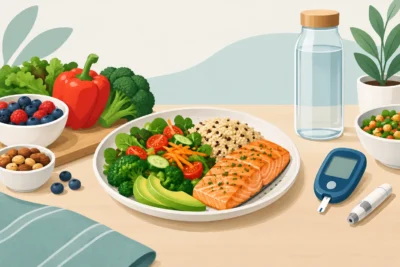
Natural Supplements for Diabetes Guide: What Helps?


A supplement bottle cannot outwork a breakfast loaded with sugar, a sedentary week, or medication taken inconsistently. But the right supplement may support healthier blood sugar when it is used as part of a bigger plan built on meals, movement, sleep, and weight management. That is the practical purpose of this natural supplements for diabetes guide: helping you separate useful options from expensive promises.
For people with Type 2 diabetes or prediabetes, the goal is not to chase a quick fix. The goal is to improve insulin sensitivity, reduce blood sugar spikes, correct nutrient gaps, and build daily habits you can maintain. Some supplements can play a supporting role, but they must be chosen carefully, especially if you take diabetes medication.
What you\'ll find in this article?
Start With What Supplements Can and Cannot Do
Natural does not automatically mean safe, and it does not mean a supplement will lower your A1C on its own. Research on supplements is often mixed because studies use different doses, products, and participant groups. What helps one person may have little effect for another.
Think of supplements as a possible addition to a strong foundation. Higher-fiber meals, fewer refined carbohydrates, regular walking after meals, strength training, adequate sleep, and gradual weight loss can produce meaningful metabolic changes. A supplement is most likely to be worthwhile when it addresses a real need, such as low magnesium intake or inadequate dietary fiber.
If you use insulin, sulfonylureas, or other medications that can lower glucose, adding a blood-sugar-lowering supplement without guidance can raise the risk of hypoglycemia. Work with your doctor, pharmacist, or diabetes care team before starting one. Do not stop or reduce prescribed medicine because a supplement seems to be helping.

Natural Supplements for Diabetes: The Most Useful Options
Psyllium fiber for smaller after-meal spikes
Psyllium is a soluble fiber that forms a gel in the digestive tract. Taken with water before or alongside meals, it can slow carbohydrate absorption, support regular bowel movements, and help you feel fuller. That can make it easier to manage portions and reduce sharp rises in blood sugar after eating.
For many people, fiber is one of the most practical options because it also supports heart health, an especially important concern with diabetes. Start low, such as a small serving once daily, and increase gradually to avoid gas, bloating, or cramps. Drink plenty of water. Psyllium can affect how your body absorbs certain medications, so take it separately from medications when advised by your pharmacist.
Magnesium when your intake is low
Magnesium is involved in insulin function, muscle health, blood pressure, and hundreds of processes in the body. Low magnesium intake is common, particularly in people whose diets are low in vegetables, beans, nuts, seeds, and whole grains. Some diabetes medications and frequent urination from high blood sugar may also contribute to lower levels.
Supplementing may be more helpful if your magnesium level or dietary intake is low. Magnesium glycinate and magnesium citrate are commonly used forms, though citrate may loosen stools. People with kidney disease need medical guidance before taking magnesium because the body may not clear it properly.
Food still comes first. Adding pumpkin seeds, almonds, black beans, spinach, and plain yogurt can improve magnesium intake while providing other nutrients that support blood sugar control.

Vitamin D if a blood test shows deficiency
Vitamin D deficiency is common in the United States and is associated with poorer metabolic health. Correcting a true deficiency can support overall wellness, but vitamin D is not a reliable stand-alone treatment for diabetes.
A blood test is the best way to know whether you need it and what dose makes sense. Taking very high doses without supervision can lead to excess calcium and other health problems. If you are low, following a clinician-recommended plan is more effective than guessing.
Berberine: Promising, but not casual
Berberine is a plant compound found in several herbs. It has attracted attention because research suggests it may help lower fasting blood sugar and improve insulin sensitivity in some adults with Type 2 diabetes. It may also affect cholesterol and triglycerides.
The trade-off is that berberine can cause nausea, constipation, diarrhea, or stomach discomfort. More importantly, it can interact with medications, including diabetes drugs, blood thinners, and medicines processed by the liver. It is not appropriate during pregnancy or breastfeeding, and it should not be used for infants or children.
Berberine is a better conversation to have with a qualified clinician than an impulse purchase. If you and your care team decide it fits, monitor your glucose closely, particularly during the first few weeks.
Cinnamon: Fine as a food, modest as a supplement
Cinnamon is popular because it is affordable and easy to find. Some studies suggest it may produce a small improvement in fasting blood sugar for certain people, while others show little meaningful effect. It should not be viewed as a replacement for medication, diet changes, or glucose monitoring.
Using cinnamon to flavor oatmeal, plain Greek yogurt, coffee, or roasted vegetables is a simple, low-risk habit for most people. Be cautious with high-dose cassia cinnamon supplements. They may contain coumarin, a compound that can be hard on the liver when consumed in large amounts over time. If you have liver disease or take blood-thinning medication, ask your clinician first.
Alpha-lipoic acid for nerve symptoms, not glucose control
Alpha-lipoic acid is often discussed for diabetic neuropathy, which can cause burning, tingling, numbness, or pain in the feet and legs. There is evidence that it may ease nerve-related symptoms for some people, although response varies.
It can also lower blood glucose, so it requires caution with diabetes medication. Report new or worsening numbness, foot wounds, color changes, or pain to a healthcare professional promptly. Supplements should never delay care for possible diabetic nerve or circulation complications.
How to Choose a Safer Supplement
The supplement aisle is crowded with “blood sugar support” blends that contain many ingredients in unclear amounts. A long ingredient list does not make a product stronger. In fact, it makes it harder to know what is working and harder to identify the cause of side effects.
Use a simple process before buying:
- Choose one supplement at a time so you can judge its effect.
- Look for a product that clearly lists the ingredient amount and avoids proprietary blends.
- Prefer brands that use independent quality testing when possible.
- Check every supplement with a pharmacist if you take prescription medication.
- Keep a record of fasting glucose, after-meal readings, meals, symptoms, and any side effects.
Give a reasonable trial period, usually several weeks, unless you develop a side effect. Your glucose meter or continuous glucose monitor can provide more useful feedback than marketing claims. If readings trend lower, that may be good news, but it may also mean your medication needs review.
Put Supplements Into a Real Blood Sugar Plan
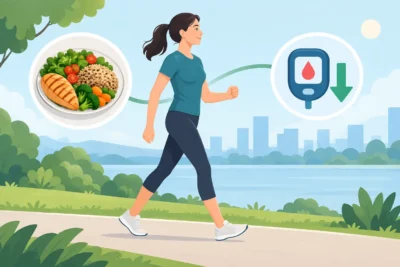
The best natural strategy is often surprisingly basic: build meals around protein, non-starchy vegetables, fiber-rich carbohydrates, and healthy fats. Replace sugary drinks with water or unsweetened tea. Take a 10- to 15-minute walk after meals. Aim to move your muscles most days of the week, since active muscle tissue uses glucose more effectively.
Supplements fit best when they make those habits easier. Psyllium may help you reach a higher-fiber target. Magnesium may fill a dietary gap. Vitamin D may correct a confirmed deficiency. These are supportive tools, not permission to ignore the habits that create lasting change.
Be especially skeptical of products that promise to “cure” diabetes, eliminate medication overnight, or work without dietary changes. Type 2 diabetes can often improve dramatically, and some people can reach remission with sustained lifestyle changes and appropriate medical care. But real progress comes from consistent action and regular monitoring, not a miracle capsule.
When to Get Medical Help First
Talk with a healthcare professional before adding supplements if you are pregnant, have kidney or liver disease, take multiple medications, use insulin, or have frequent low blood sugar. Seek prompt care for blood sugar that stays very high, severe thirst, vomiting, confusion, chest pain, a foot sore, or signs of infection.
You do not need to do everything perfectly to improve your numbers. Choose one evidence-informed step, track how your body responds, and build from there. Steadier blood sugar is usually the result of small decisions repeated daily, and that is good news because those decisions are within your control.
Important notice: The content of Diabetes Cure Now is solely educational and informational and does not replace the evaluation, diagnosis, or treatment of a doctor or health professional. Before making changes to your diet, exercise, or medication, consult with a qualified professional..
Content reviewed for educational purposes and based on public medical sources.
Sources consulted
- American Diabetes Association (ADA)
- Mayo Clinic
- CDC
- NIH
12 Diabetic Recipes That Keep Meals Balanced
Diabetic Kidney Health Guide for Daily Protection

How to Start Walking With Diabetes Safely

10 Healthy Soups for Diabetics That Satisfy
Do Chia Seeds for Blood Sugar Really Help?

How to Reduce Dawn Phenomenon Naturally
Is Fruit Safe for Diabetes? What to Know
How to Walk After Meals for Better Blood Sugar