
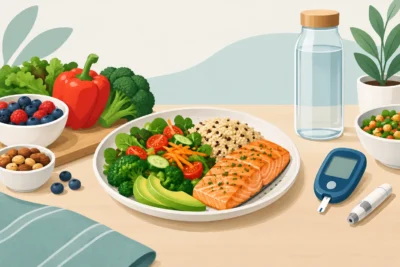
Personalized Nutrition for Diabetes That Works


A meal that keeps your neighbor’s blood sugar steady may send yours climbing. That is why personalized nutrition for diabetes can be more useful than chasing a one-size-fits-all diet. Your food choices matter, but so do your portions, sleep, activity level, weight goals, medications, stress, and even the time you eat.
For many people with Type 2 diabetes or prediabetes, the goal is not perfection. It is learning what helps your body produce steadier readings, more reliable energy, fewer cravings, and progress you can maintain. A personalized approach turns blood sugar management from guesswork into a practical daily plan.
What you\'ll find in this article?
What Personalized Nutrition for Diabetes Really Means
Personalized nutrition means adjusting your eating pattern to your own blood sugar response, health needs, preferences, and lifestyle. It does not mean buying an expensive genetic test or following a complicated menu that you cannot keep up with.
Two people can eat the same bowl of oatmeal and have very different glucose results. One may tolerate it well with eggs and berries. Another may see a sharp rise, especially if the portion is large or breakfast is eaten after a poor night of sleep. The food is not automatically “good” or “bad.” The response, the amount, and the meal context all matter.
A useful plan also accounts for practical realities. If you work long shifts, care for family, eat at restaurants often, or dislike cooking, a plan built around elaborate recipes will probably fail. The best eating strategy is the one that supports healthier blood sugar while fitting your real life.

Start With Your Blood Sugar Patterns
Your glucose meter or continuous glucose monitor can provide valuable feedback. If your clinician has recommended checking at home, look for patterns rather than judging a single number. Consider what happens before a meal and about one to two hours afterward, based on the testing schedule your care team recommends.
Keep a simple record for one or two weeks. Write down the meal, rough portion size, time of day, activity, and how you felt afterward. You may begin to notice that cereal causes a bigger spike than eggs, that a short walk improves your after-dinner number, or that late-night snacking leads to higher fasting glucose the next morning.
This is not about becoming obsessed with every bite. It is about collecting enough information to make smarter choices. A pattern repeated several times is more meaningful than one unusual reading after a stressful day or poor sleep.
Use Food Pairing, Not Just Carb Counting
Carbohydrates raise blood sugar, but they do not act alone. Pairing carbs with protein, fiber, and healthy fats can slow digestion and make a meal more filling. Instead of eating an apple by itself, try it with a small handful of nuts or plain Greek yogurt. Instead of toast and jam, consider eggs with vegetables and one slice of high-fiber toast.
This does not mean you must eliminate all carbohydrates. Many people do well with carefully portioned beans, lentils, berries, plain yogurt, non-starchy vegetables, and whole grains. Others find that certain starchy foods are harder to manage. Your readings, hunger level, and progress toward a healthy weight can help guide those decisions.

Build Meals Around Foods That Support Steadier Glucose
A simple plate method works because it reduces the chance that refined carbs take over the meal. Fill about half your plate with non-starchy vegetables such as broccoli, green beans, salad greens, peppers, zucchini, cauliflower, or asparagus. Add a palm-sized serving of protein, then choose a modest portion of high-fiber carbohydrate if it fits your plan.
Protein is especially helpful for appetite control. Eggs, fish, chicken, turkey, tofu, cottage cheese, plain Greek yogurt, and lean meat can make meals more satisfying. Healthy fats from avocado, olive oil, nuts, seeds, and fatty fish may also help you stay full, but portions still matter because calories add up quickly.
Focus on foods that give you more nutrition per bite and make it easier to avoid constant snacking. Sugary drinks, sweet coffee drinks, candy, pastries, chips, white bread, and oversized restaurant portions are common trouble spots because they can raise glucose quickly without keeping you full for long.
A Few Practical Swaps
Small substitutions can create meaningful change without making meals feel restrictive. Choose sparkling water or unsweetened tea instead of soda. Replace a large bowl of pasta with a smaller serving alongside chicken and vegetables. Make tacos in lettuce wraps or use one small corn tortilla rather than several large flour tortillas.
Breakfast deserves special attention because many people are more sensitive to carbohydrates in the morning. If oatmeal, cereal, toast, or fruit juice leaves you hungry and high, try a protein-forward breakfast for several days. Eggs with vegetables, plain yogurt with berries and chia seeds, or a vegetable omelet can be a useful experiment.
Meal Timing Can Change the Results
What you eat matters, but when you eat may matter too. Some people see better numbers when they stop grazing all evening and create a clear overnight fasting period. Others need regular meals to avoid overeating later or to manage medication-related low blood sugar risk.
A late, heavy dinner followed by dessert and television can be especially difficult for glucose control. Try moving more of your food earlier in the day, keeping dinner lighter, and avoiding routine nighttime snacking unless you genuinely need it. A 10- to 15-minute walk after meals is another simple habit that can help muscles use glucose for energy.
Intermittent fasting may help some adults reduce calorie intake and improve insulin sensitivity, but it is not right for everyone. If you use insulin or medications that can cause low blood sugar, changing meal timing without medical guidance can be dangerous. Discuss fasting plans with your prescribing clinician first.
Weight Loss Is Personal, Too
For many people with Type 2 diabetes, losing even a modest amount of weight can improve insulin resistance and blood sugar control. But the right approach is not necessarily the fastest or strictest one. A plan that leads to rapid weight loss but leaves you exhausted, hungry, and ready to quit is rarely a long-term solution.
Personalized nutrition can help you identify the habits creating the biggest barrier. It may be oversized portions at dinner, frequent alcohol, sweetened drinks, weekend takeout, emotional eating, or a lack of protein at breakfast. Pick one or two high-impact changes and practice them until they feel normal.
Progress is not measured only by the scale. Pay attention to fasting glucose, A1C trends, waist size, energy, sleep, cravings, and how your clothes fit. Improvements in these areas can signal that your lifestyle changes are moving your metabolic health in the right direction.
Do Not Ignore Medication Safety
Food and lifestyle changes can lower blood sugar. That is encouraging, but it also means your medication needs may change as your numbers improve. Never stop or reduce diabetes medication on your own.
If you notice repeated low readings, shakiness, sweating, confusion, weakness, or unusual dizziness, treat low blood sugar as instructed by your healthcare team and contact them promptly. This is particularly important for people taking insulin or certain medications that stimulate insulin release.
Natural strategies work best as part of an informed plan. Food, movement, sleep, stress management, and weight loss can be powerful tools, but they should support - not replace - appropriate medical care and regular monitoring.
Make Your Plan Simple Enough to Repeat
Start with one week of observation, then choose one clear action. You might replace sweet drinks, add vegetables to lunch and dinner, eat protein at breakfast, reduce your usual starch portion, or walk after your evening meal. Test the change, observe how you feel and what your readings show, then adjust.
There is no prize for eating exactly like someone else. The most effective personalized nutrition plan is the one that helps you make better choices consistently, protect your blood sugar, and build confidence with every ordinary meal.
Important notice: The content of Diabetes Cure Now is solely educational and informational and does not replace the evaluation, diagnosis, or treatment of a doctor or health professional. Before making changes to your diet, exercise, or medication, consult with a qualified professional..
Content reviewed for educational purposes and based on public medical sources.
Sources consulted
- American Diabetes Association (ADA)
- Mayo Clinic
- CDC
- NIH
12 Diabetic Recipes That Keep Meals Balanced
Diabetic Kidney Health Guide for Daily Protection

How to Start Walking With Diabetes Safely
10 Healthy Soups for Diabetics That Satisfy
Do Chia Seeds for Blood Sugar Really Help?

How to Reduce Dawn Phenomenon Naturally
Is Fruit Safe for Diabetes? What to Know
How to Walk After Meals for Better Blood Sugar