
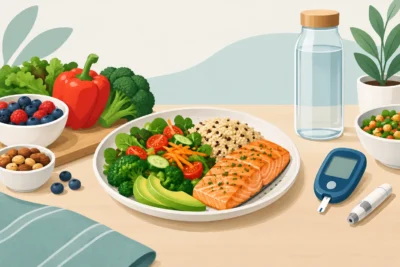
Restaurant Eating Guide for Diabetics Made Simple


The bread basket arrives before you have even opened the menu, and suddenly a healthy dinner can turn into a blood sugar spike. This restaurant eating guide for diabetics helps you make confident choices without giving up birthdays, business lunches, date nights, or your favorite takeout. You do not need a perfect meal every time. You need a simple way to spot the biggest blood sugar traps, build a more balanced plate, and move on with your evening.
What you\'ll find in this article?
Why Restaurant Meals Can Raise Blood Sugar Fast
Restaurant food is often designed to taste bigger, richer, and more craveable than food prepared at home. That usually means oversized portions, refined carbohydrates, sugary sauces, and more oil, butter, and salt than you would use yourself. Even meals that sound healthy can contain a surprising amount of sugar or starch.
A grilled chicken salad can be a strong choice, for example, but not if it arrives with sweetened dried fruit, candied nuts, crispy toppings, a sugary dressing, and a basket of bread on the side. The goal is not to fear restaurant food. It is to look beyond the name of the dish and notice what is actually on the plate.
For people with Type 2 diabetes or prediabetes, restaurant meals can also be harder to predict. Eating more carbohydrates than usual, eating late, drinking alcohol, or sitting for hours afterward may affect your readings. Paying attention to patterns gives you useful information and puts more control back in your hands.
Prepare Before You Leave Home
The best restaurant decision is often made before you walk through the door. If the restaurant has an online menu, take two minutes to scan it ahead of time. Pick one or two possible meals so you are not making a rushed choice while hungry.

Do not arrive starving if you can avoid it. When blood sugar is low or hunger is intense, chips, bread, sweet drinks, and large portions become much harder to resist. A small snack with protein and fiber before leaving, such as a handful of nuts or plain Greek yogurt, may help you order more thoughtfully.
If you use insulin or medications that can lower blood sugar, plan around your meal timing. Carry a fast-acting carbohydrate source in case of low blood sugar, especially if alcohol will be involved. Medication needs are personal, so follow the plan you have made with your prescribing clinician rather than changing doses based on a guess.
Use This Restaurant Eating Guide for Diabetics When Ordering
Start by looking for protein and non-starchy vegetables. Protein can help you feel satisfied and may soften the blood sugar impact of a meal when it is paired with vegetables and a sensible carbohydrate portion. Good options include grilled fish, chicken, turkey, eggs, tofu, shrimp, lean beef, or beans if they fit your carbohydrate goals.
Then consider the carbohydrate choice. You do not have to eliminate carbohydrates to make progress, but quality and portion size matter. A small serving of beans, brown rice, roasted sweet potato, corn, fruit, or a whole-grain side may work better for many people than a large pile of fries, white rice, pasta, bread, or mashed potatoes.
Simple requests can make a major difference. Ask for dressing and sauces on the side. Choose grilled, baked, broiled, roasted, steamed, or sautéed foods more often than breaded, crispy, battered, glazed, or smothered items. Swap fries for vegetables, a side salad, or fruit when available. If the entrée comes with two starches, ask to replace one of them.

You do not need to make the meal joyless. If you truly want the fries or dessert, decide what you will scale back elsewhere. Sharing dessert, ordering one starch rather than two, or taking half of your entrée home can keep a special meal from becoming an all-night blood sugar problem.
Watch the Drinks First
Liquid sugar can raise blood glucose quickly without making you feel full. Regular soda, sweet tea, lemonade, juice, frozen cocktails, flavored coffee drinks, and sweetened smoothies are common trouble spots.
Water, sparkling water, unsweetened tea, black coffee, or diet beverages are usually easier choices for blood sugar. Alcohol is more complicated. A dry wine, light beer, or spirit mixed with sparkling water may be lower in sugar than a frozen margarita or sweet cocktail, but alcohol can cause delayed low blood sugar for some people who take insulin or certain diabetes medications. Never drink alcohol on an empty stomach, and know how it affects you.
Smart Choices by Restaurant Type
Every cuisine can fit into a blood sugar-conscious lifestyle. The most useful strategy is to identify the starch, sauce, and portion size before you order.
American Grill or Diner
Choose a burger without a sugary sauce and consider an open-faced bun, lettuce wrap, or no bun if that suits you. Add a side salad or vegetables instead of fries. At breakfast, eggs with vegetables and a side of fruit or one slice of whole-grain toast can be more balanced than pancakes, hash browns, biscuits, and sweet coffee drinks together.
Italian Restaurant
Italian menus can be heavy on pasta, bread, and creamy sauces, but there are still plenty of workable choices. Try grilled chicken, fish, or shrimp with vegetables. If pasta is what you want, choose a tomato-based sauce when possible, ask for a half portion, and add protein and a salad. Breadsticks are easy to eat without noticing, so consider asking the server not to bring the basket.
Mexican Restaurant
Fajitas can be an excellent option when you focus on the grilled meat, peppers, onions, guacamole, salsa, and beans. Corn tortillas are often a more manageable choice than a large flour tortilla, though the portion still matters. Be careful with chips, queso, sweet sauces, oversized burritos, and sugary margaritas. A burrito bowl with lettuce, protein, vegetables, beans, salsa, and a modest scoop of rice can be easier to manage than a tortilla-wrapped meal.
Chinese, Thai, or Japanese Restaurant
Look for steamed vegetables, stir-fries with sauce on the side, broth-based soups, sashimi, grilled meats, and tofu dishes. Sweet-and-sour, orange, teriyaki, honey, and coconut-based sauces may contain more sugar than expected. White rice can add up quickly, so share it, order a smaller portion, or choose extra vegetables. Sushi can fit occasionally, but rice-filled specialty rolls with sweet sauces, tempura, and imitation crab can deliver far more carbohydrate than they appear to.
Portions Matter More Than Willpower
Restaurant portions are often enough for two meals. As soon as your food arrives, consider boxing up half before you start eating. This is not deprivation. It is a practical way to protect your blood sugar and avoid the uncomfortable cycle of overeating, fatigue, and regret.
Try eating protein and vegetables first, then enjoy the starch portion slowly. Pause halfway through the meal and ask whether you are comfortably satisfied. You can always eat more, but you cannot take back a huge portion once it has pushed your blood sugar higher.
A short walk after dinner is another powerful habit. Even 10 to 15 minutes of easy movement can help your muscles use some of the glucose from the meal. It does not need to look like a workout. Walk around the block, browse nearby shops, or park a little farther away.
Learn From Your Own Blood Sugar Response
No restaurant rule works exactly the same for every person. Your medication, activity level, sleep, stress, and usual carbohydrate intake all influence your response. If you monitor your glucose, checking it as advised by your care team after a restaurant meal can show you which foods and portions work best for your body.
Do not treat a higher-than-expected reading as failure. Treat it as feedback. Maybe the sauce was sweeter than expected, the meal was larger than it looked, or you need a smaller rice portion next time. Small adjustments repeated consistently can create meaningful improvement in your long-term blood sugar control.
Eating out should support your life, not make you feel trapped by your diagnosis. Order one balanced meal at a time, enjoy the people at the table, and let each smart choice reinforce the next one.
Important notice: The content of Diabetes Cure Now is solely educational and informational and does not replace the evaluation, diagnosis, or treatment of a doctor or health professional. Before making changes to your diet, exercise, or medication, consult with a qualified professional..
Content reviewed for educational purposes and based on public medical sources.
Sources consulted
- American Diabetes Association (ADA)
- Mayo Clinic
- CDC
- NIH
12 Diabetic Recipes That Keep Meals Balanced
Diabetic Kidney Health Guide for Daily Protection

How to Start Walking With Diabetes Safely
10 Healthy Soups for Diabetics That Satisfy
Do Chia Seeds for Blood Sugar Really Help?

How to Reduce Dawn Phenomenon Naturally
Is Fruit Safe for Diabetes? What to Know
How to Walk After Meals for Better Blood Sugar