
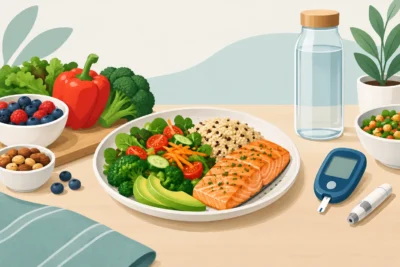
Is Sourdough Bread for Diabetics a Smart Choice?


A warm slice of sourdough can feel like a healthier choice than soft white sandwich bread. But for someone watching glucose, the real question is not whether sourdough bread for diabetics is allowed. It is whether that particular loaf, portion, and meal work with your body and your blood sugar goals.
For many people with Type 2 diabetes or prediabetes, sourdough can be a better bread option than highly refined white bread. It is not a free pass to eat unlimited toast, however. The flour used, the thickness of the slice, what you eat with it, and your individual response all matter.
What you\'ll find in this article?
- Why sourdough may affect blood sugar differently
- Is sourdough bread for diabetics better than other bread?
- How much sourdough can you eat?
- Build a meal around your bread, not just the bread
- What to look for when buying sourdough
- When sourdough may not be the best choice
- A practical way to make sourdough work
Why sourdough may affect blood sugar differently
Traditional sourdough is made through fermentation. Wild yeast and beneficial bacteria ferment the dough over time, producing natural acids that give sourdough its tangy flavor. That fermentation may slow how quickly the starch in bread is digested for some people.
In practical terms, a true fermented sourdough loaf may cause a gentler blood sugar rise than regular white bread made with commercial yeast. Research on fermented breads suggests that the organic acids created during fermentation can change the way starch is broken down and absorbed. This is one reason sourdough often earns a reputation as a more blood sugar-friendly bread.
Still, “may” is the key word. A sourdough loaf made mostly from refined white flour still contains plenty of carbohydrates. Fermentation does not remove the carbs, erase calories, or make bread harmless for every person with diabetes.

Think of sourdough as a potential upgrade, not a treatment. Consistent blood sugar improvement comes from the full pattern: food choices, portions, body weight when relevant, physical activity, sleep, stress management, and the care plan you have established with your medical provider.
Is sourdough bread for diabetics better than other bread?
It depends on what it is being compared with. Traditional sourdough made with whole-grain flour is usually a stronger choice than standard white bread, sweet breads, bagels, or oversized bakery rolls. Whole grains add fiber, which can slow digestion and help you stay full longer.
But sourdough is not automatically better than every other option. A dense, 100% whole-grain bread with plenty of fiber may be just as good or better for glucose control than a large slice of white-flour sourdough. Some packaged products labeled “sourdough” are only lightly fermented or use sour flavoring. The label alone does not tell you how your body will respond.
A good choice usually has a short ingredient list and starts with flour, water, salt, and a sourdough culture. If you see added sugar, molasses, honey, oils, dough conditioners, or a long list of additives, it may behave more like conventional processed bread.
The flour matters as much as the fermentation
Whole-wheat, rye, and multigrain sourdough options generally provide more fiber and nutrients than white sourdough. Rye sourdough in particular can be filling and may have a more moderate glucose effect for some people.

That said, “multigrain” does not always mean whole grain. Check the ingredient list for “whole wheat,” “whole rye,” or another whole grain listed first. Also look at the Nutrition Facts panel. A bread with at least 3 grams of fiber per serving is often a more useful target than one with only 1 gram.
Be realistic about serving sizes. Some artisan loaves have slices that are twice the size of a standard sandwich slice. One thick-cut piece can easily contain 30 to 40 grams of carbohydrate before you add anything on top.
How much sourdough can you eat?
There is no single portion that fits everyone. Your ideal amount depends on your medication, activity level, weight goals, usual carbohydrate intake, and how your glucose responds to meals. For many adults, one modest slice is a reasonable place to start rather than two large slices or a full sandwich on thick bread.
The most useful way to learn is to test your own response. If you use a glucose meter, check your blood sugar before eating and again at the time your clinician has recommended after meals, often about one to two hours after the first bite. A continuous glucose monitor can also reveal whether sourdough causes a noticeable spike for you.
Record the type of bread, serving size, toppings, and meal. You may discover that one slice with eggs produces a very different result than two slices with jam. That information is more valuable than broad claims on social media.
If you take insulin or medicines that can cause low blood sugar, do not sharply cut carbohydrates without discussing it with your healthcare professional. Medication doses sometimes need adjustment when eating patterns change.
Build a meal around your bread, not just the bread
Bread eaten alone is more likely to raise glucose quickly. Pairing sourdough with protein, healthy fat, and non-starchy vegetables can slow the meal down and make it more satisfying.
Try a slice with eggs and sliced avocado, tuna salad and tomato, or cottage cheese with cucumber and pepper. A sourdough-based open-faced sandwich can be easier on blood sugar than a two-slice sandwich loaded with processed meat, sweet sauces, and chips.
Avoid turning sourdough into dessert by adding honey, jelly, cinnamon sugar, or large amounts of sweetened nut butter. Those toppings can push the carbohydrate load much higher, even if the bread itself is fermented.
The rest of your plate matters too. If toast comes with scrambled eggs, sautéed spinach, and berries, the meal is very different from toast served with hash browns, juice, and sweet coffee. Small decisions repeated every day can create meaningful change in glucose patterns.
What to look for when buying sourdough
The bakery counter can make every loaf sound wholesome, so use the label as your guide. Look beyond words such as “artisan,” “rustic,” and “naturally fermented.” Those terms do not guarantee high fiber or a lower blood sugar impact.
Pay attention to these details:
- Serving size: Compare the serving size to the slice you actually plan to eat.
- Total carbohydrates: This is the number most directly connected to your meal planning.
- Fiber: More fiber is generally helpful for fullness and a steadier response.
- Added sugars: Choose loaves with little or no added sugar when possible.
- First ingredient: Prefer whole-grain flour when you want a more nutrient-dense option.
Fresh bakery sourdough may have no Nutrition Facts label. In that case, ask what flour is used and whether the bread is naturally fermented. If the answer is unclear, keep the portion modest and pay attention to your glucose response.
When sourdough may not be the best choice
Sourdough may not fit every meal plan. If your blood sugar rises sharply after even a small slice, that is useful feedback, not failure. You may do better with a lower-carbohydrate breakfast, a higher-fiber bread, or less bread overall.
People trying to lose weight may also need to be cautious. Sourdough can be filling, but bread is easy to overeat, especially when it is fresh, warm, and served with butter or olive oil. Portioning it before you sit down can prevent an automatic second or third slice.
Sourdough is also not gluten-free unless it is specifically made from gluten-free ingredients. Fermentation can change some components of wheat, but it does not make standard wheat sourdough safe for people with celiac disease.
A practical way to make sourdough work
Start simple: choose a smaller slice of real sourdough, ideally with whole-grain flour, and eat it as part of a balanced meal. Add protein and vegetables, skip sugary toppings, and take a short walk after eating if that is safe and realistic for you. Even 10 to 15 minutes of easy movement after meals can support healthier glucose use by your muscles.
You do not need a perfect diet to move in the right direction. Use your readings, energy level, hunger, and progress over time to guide your choices. A slice of sourdough can have a place in a diabetes-friendly lifestyle when you treat it as one part of a purposeful meal - and keep building habits that put you back in control of your health.
Important notice: The content of Diabetes Cure Now is solely educational and informational and does not replace the evaluation, diagnosis, or treatment of a doctor or health professional. Before making changes to your diet, exercise, or medication, consult with a qualified professional..
Content reviewed for educational purposes and based on public medical sources.
Sources consulted
- American Diabetes Association (ADA)
- Mayo Clinic
- CDC
- NIH
12 Diabetic Recipes That Keep Meals Balanced
Diabetic Kidney Health Guide for Daily Protection

How to Start Walking With Diabetes Safely
10 Healthy Soups for Diabetics That Satisfy
Do Chia Seeds for Blood Sugar Really Help?

How to Reduce Dawn Phenomenon Naturally
Is Fruit Safe for Diabetes? What to Know

How to Walk After Meals for Better Blood Sugar