
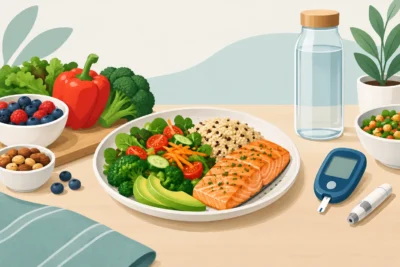
Stevia vs Sugar Blood Glucose: What Changes?


If your morning coffee tastes wrong without something sweet, this question matters fast: stevia vs sugar blood glucose effects are not the same, and that difference can show up in your meter. For people with prediabetes, Type 2 diabetes, or stubborn blood sugar swings, the sweetener you use every day is not a small detail. It can either support better control or quietly work against it.
Sugar raises blood glucose because it is a carbohydrate your body absorbs and uses quickly. Stevia is different. It is a plant-derived sweetener with little to no calories and does not usually cause a direct rise in blood sugar. That simple comparison makes stevia look like the obvious winner, but real life is a little more nuanced than that.
What you\'ll find in this article?
- Stevia vs sugar blood glucose: the core difference
- Why sugar affects blood glucose so strongly
- Does stevia always have zero blood sugar impact?
- Stevia vs sugar blood glucose in everyday meals
- Potential benefits of choosing stevia
- The trade-offs to know before you switch
- When sugar may still fit
- How to choose the best option for your blood sugar
Stevia vs sugar blood glucose: the core difference
Table sugar, also called sucrose, breaks down into glucose and fructose. Once you eat it, your blood sugar can rise, sometimes sharply depending on what else you ate and how insulin resistant you are. If you already have impaired glucose control, that spike may last longer than you want.
Stevia sweeteners come from the stevia plant. The sweet compounds, called steviol glycosides, provide sweetness without the same carbohydrate load as sugar. In practical terms, pure stevia does not usually raise blood glucose the way sugar does. For many people, that means fewer spikes after coffee, tea, yogurt, oatmeal, or homemade desserts.
This is one reason sugar reduction can be such a powerful move. If you replace multiple daily servings of sugar with a non-caloric sweetener like stevia, you may lower your overall carb intake without feeling deprived. That can help with blood sugar management, weight loss efforts, and insulin resistance over time.

Why sugar affects blood glucose so strongly
Sugar is not uniquely evil, but it is easy to overconsume. It shows up in coffee drinks, sauces, cereal, flavored yogurt, granola bars, bread, and foods that do not even taste very sweet. When those grams add up across a day, your body has to handle repeated glucose surges.
For someone with healthy insulin sensitivity, the body can often manage those surges reasonably well. For someone with prediabetes or Type 2 diabetes, the same amount of sugar may lead to higher peaks and slower recovery. That means more time spent above your target range, which can affect energy, hunger, cravings, and long-term metabolic health.
Liquid sugar is especially tricky. Sweet tea, soda, flavored coffee drinks, and juice can raise blood sugar quickly because there is little fiber to slow absorption. Even small habits matter here. Two teaspoons of sugar in coffee may not seem like much, but repeated several times a day, it becomes a meaningful source of glucose exposure.
Does stevia always have zero blood sugar impact?
Usually, stevia itself has little to no direct effect on blood glucose. But the word itself on a package can be misleading if you do not read the ingredient panel.
Some stevia products are blended with dextrose, maltodextrin, erythritol, or other fillers. A tiny packet may still have a very small effect for most people, but a blended baking product can behave differently than pure liquid stevia drops or a concentrated extract. If you notice your blood sugar is not responding the way you expected, the blend may be the reason.

There is also the food around the sweetener. A cookie made with stevia instead of sugar may still contain white flour and starches that raise blood glucose. In that case, stevia reduces the sugar load, but it does not automatically make the food blood-sugar friendly.
That is why one of the best habits is testing your own response. Check your blood sugar before eating and again one to two hours after. Your meter can tell you much more than the marketing on the package.
Stevia vs sugar blood glucose in everyday meals
In drinks, stevia tends to be the clearest win. Swapping sugar for stevia in coffee, tea, lemonade, or plain yogurt can cut carbohydrates without much effort. This is often where people see the most immediate benefit because these are foods used daily.
In cooking and baking, the picture changes. Sugar does more than sweeten. It adds bulk, moisture, browning, and texture. Stevia is much sweeter than sugar, so only a small amount is needed. That means recipes often need adjustment, and the final result may taste slightly different.
For some people, that trade-off is worth it. For others, using a little real sugar in a balanced, portion-controlled recipe may be more satisfying and easier to sustain than trying to force a perfect sugar-free version. Better blood sugar habits work best when they are realistic enough to last.
Potential benefits of choosing stevia
The biggest advantage is straightforward: less sugar often means less blood glucose elevation. That can support more stable readings and reduce the roller coaster feeling many people know too well.
Stevia may also help with calorie reduction if sugar has been a major part of your day. Lowering liquid calories and added sugar can support weight loss, and even modest weight loss can improve insulin sensitivity. For many adults, that is where real momentum starts.
Another benefit is psychological. When people find a substitute that still lets them enjoy sweetness, they often feel less trapped by an all-or-nothing approach. That makes it easier to stick with healthier routines instead of bouncing between strict dieting and sugar overload.
The trade-offs to know before you switch
Stevia is not perfect for everyone. Some people dislike the aftertaste, especially in certain brands or powder blends. Others find that very sweet foods, even if they are sugar-free, keep cravings alive and make it harder to reduce dependence on sweet tastes overall.
Digestive tolerance can also depend on the product. Pure stevia is usually well tolerated, but blended sweeteners may cause bloating or stomach discomfort in some people. If a product does not agree with you, try a simpler formulation.
There is also a bigger lifestyle issue. Replacing sugar with stevia helps, but it does not fix a diet built around refined carbs, oversized portions, late-night snacking, poor sleep, and low activity. Sweetener swaps can be useful, but they work best as part of a larger blood sugar plan.
When sugar may still fit
There are situations where a small amount of sugar can fit into a healthy pattern. If you are eating a high-fiber meal with protein and healthy fat, a modest amount of sugar may have a smaller effect than you expect. Portion size matters. Meal composition matters. Your insulin sensitivity matters.
The goal is not fear. The goal is control.
Some people do better by reserving real sugar for occasional, intentional use and using stevia for daily habits. That approach can reduce blood sugar spikes while keeping eating realistic. If that helps you stay consistent, it is a smart strategy.
How to choose the best option for your blood sugar
Start with the easiest swaps first. Sweetened drinks, coffee, tea, and yogurt are often low-friction places to replace sugar with stevia. Then pay attention to your readings, hunger, and cravings over the next one to two weeks.
Choose products with simple ingredient lists when possible. If a stevia product contains added fillers, compare your response with a purer version. For packaged foods, ignore the front label and look at total carbohydrates, serving size, and what else is in the food.
Most important, remember that your blood sugar response is personal. One person may do well with stevia and feel fewer cravings. Another may find that reducing sweetness altogether works better. Diabetes Cure Now speaks to a simple truth here: sustainable progress usually comes from habits you can repeat, not from perfect food rules.
If you are deciding between stevia and sugar, the better choice for blood glucose is usually stevia. It does not mean every stevia-sweetened food is healthy, and it does not mean sugar must never pass your lips again. It means you have a practical tool. Used wisely, that one change can make your numbers easier to manage and give you one more reason to believe your health can move in the right direction.
Important notice: The content of Diabetes Cure Now is solely educational and informational and does not replace the evaluation, diagnosis, or treatment of a doctor or health professional. Before making changes to your diet, exercise, or medication, consult with a qualified professional..
Content reviewed for educational purposes and based on public medical sources.
Sources consulted
- American Diabetes Association (ADA)
- Mayo Clinic
- CDC
- NIH
12 Diabetic Recipes That Keep Meals Balanced
Diabetic Kidney Health Guide for Daily Protection

How to Start Walking With Diabetes Safely
10 Healthy Soups for Diabetics That Satisfy
Do Chia Seeds for Blood Sugar Really Help?

How to Reduce Dawn Phenomenon Naturally
Is Fruit Safe for Diabetes? What to Know
How to Walk After Meals for Better Blood Sugar