
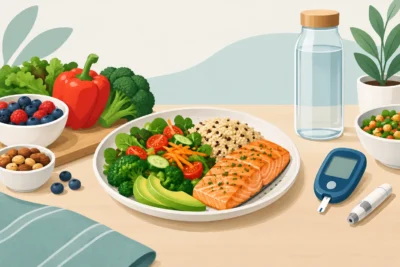
What Foods Lower Blood Sugar? Smart Choices to Eat


A bowl of sweetened cereal can send your glucose climbing before you have finished your morning coffee. A breakfast built around eggs, vegetables, and fiber-rich beans or berries is likely to create a much steadier response. If you are asking what foods lower blood sugar, the most useful answer is not a single miracle food. It is a pattern of meals that slows digestion, reduces blood sugar spikes, and helps your body respond better to insulin over time.
For Type 2 diabetes and prediabetes, food choices can be a powerful daily tool. They work best alongside movement, sleep, stress management, weight loss when appropriate, and the treatment plan you and your healthcare provider have chosen.
What you\'ll find in this article?
What Foods Lower Blood Sugar Most Effectively?
No food instantly cancels out high blood sugar or replaces prescribed medication. However, certain foods have a smaller effect on glucose than refined carbohydrates and can support better blood sugar control when eaten regularly.
The winning combination is usually fiber, protein, healthy fat, and minimally processed carbohydrates. Fiber slows how quickly sugar enters the bloodstream. Protein and fat can make a meal more filling and reduce the sharp rise that may follow eating carbs by themselves.
Nonstarchy vegetables
Vegetables such as broccoli, cauliflower, spinach, kale, zucchini, peppers, mushrooms, asparagus, green beans, cabbage, and salad greens are among the best foods to build meals around. They provide volume, nutrients, and fiber with relatively few digestible carbohydrates.

Try making half of your lunch and dinner plate nonstarchy vegetables. Roast them with olive oil, add them to omelets, toss them into soups, or use a large salad as the base of your meal. Just watch high-sugar dressings and sauces, which can quietly add more carbs than expected.
Beans, lentils, and chickpeas
Beans and lentils contain carbohydrates, but they also bring substantial fiber and plant protein. That combination generally makes them gentler on blood sugar than white rice, white bread, or regular pasta.
A half-cup serving of black beans, lentils, or chickpeas can be a satisfying part of a meal, especially when paired with vegetables and protein. Portion size still matters. If you are testing your glucose, check your response after meals to learn which amounts work best for your body.
Protein-rich foods
Eggs, fish, chicken, turkey, tofu, tempeh, plain Greek yogurt, cottage cheese, and lean cuts of meat have little or no carbohydrate on their own. Adding protein to meals can reduce hunger and help prevent the snack cravings that often follow a high-carb breakfast or lunch.
Choose preparation methods that support heart health, too. Grilled salmon, baked chicken, or a vegetable-and-egg scramble will usually serve you better than heavily breaded meats or processed options like bacon and sausage every day.

Nuts, seeds, and healthy fats
Almonds, walnuts, pistachios, chia seeds, flaxseed, pumpkin seeds, avocado, olives, and olive oil can help make meals more satisfying without causing a major glucose rise. Chia and ground flax also add fiber.
These foods are calorie-dense, so a small serving is enough. Think of a small handful of nuts, one-quarter to one-half avocado, or a tablespoon of seeds stirred into plain yogurt. If weight loss is one of your goals, portions matter even with nutritious foods.
Low-sugar fruit, eaten whole
Fruit is not off-limits for people with diabetes. Whole fruit contains water and fiber, and it is very different from fruit juice, dried fruit, or sugary smoothies. Berries, apples, pears, oranges, peaches, and kiwi are often sensible choices.
Berries are especially popular because they offer fiber and antioxidants with less sugar per serving than many fruits. Pair fruit with protein or fat, such as berries with plain Greek yogurt or an apple with natural peanut butter. That can help make your snack more filling and blood-sugar friendly.
Intact whole grains
Steel-cut oats, quinoa, barley, brown rice, and 100% whole-grain bread can fit into a blood-sugar-conscious eating plan. The key word is “fit.” Whole grains still contain carbohydrates, and some people see a larger glucose response to them than others.
Instead of treating whole grains as the main event, use a modest serving beside protein and vegetables. For example, add a scoop of quinoa to a chicken-and-vegetable bowl rather than filling most of the bowl with grains.
Foods That Commonly Raise Blood Sugar Fast
Knowing what to limit is often just as helpful as knowing what to add. Sugary drinks are one of the quickest ways to raise blood sugar because liquid sugar is absorbed rapidly and does not satisfy hunger well. Soda, sweet tea, energy drinks, sweetened coffee drinks, juice, and many bottled smoothies belong in the “occasional” category, if at all.
Refined starches can also cause problems, especially when eaten in large portions. White bread, pastries, crackers, chips, regular pasta, white rice, sugary cereals, and desserts tend to digest quickly. This does not mean you need perfection or that you can never enjoy these foods. It means they should not be the foundation of everyday meals if stable blood sugar is your priority.
Be cautious with foods marketed as “healthy” that contain plenty of added sugar. Granola, flavored yogurt, protein bars, gluten-free baked goods, and store-bought sauces can all be surprisingly high in sugar or refined starch.
Build a Meal That Supports Steadier Glucose
You do not need complicated recipes to use these foods. Start with a simple plate: fill half with nonstarchy vegetables, include a palm-sized portion of protein, then add a controlled portion of high-fiber carbohydrate or starchy food if desired. Add a little healthy fat for flavor and fullness.
For breakfast, try eggs with sautéed spinach and berries, or plain Greek yogurt with chia seeds, walnuts, and a small handful of berries. For lunch, a large salad with grilled chicken, chickpeas, and olive-oil-based dressing can be more stable than a sandwich with chips. For dinner, consider salmon, roasted broccoli, and a modest portion of lentils or quinoa.
The order in which you eat may help, too. Starting with vegetables and protein before eating starches may reduce the size of your post-meal glucose rise for some people. A 10- to 15-minute walk after eating can provide another immediate boost by helping muscles use glucose for energy.
Your Blood Sugar Response Is Personal
A food that works well for one person may not work the same way for another. Sleep, stress, activity level, medications, meal timing, and portion size all affect glucose. Even a nutritious food can raise blood sugar more than expected when the serving is large enough.
If you use a glucose meter or continuous glucose monitor, let it teach you. Check your numbers as directed by your clinician, notice patterns after common meals, and focus on progress rather than chasing a perfect reading. Keeping a simple food-and-glucose log for one or two weeks can reveal useful patterns quickly.
If you take insulin or medications that can cause low blood sugar, do not sharply cut carbohydrates without speaking with your healthcare provider. Better eating can improve glucose control, but medication doses may need adjustment as your habits change.
A Better First Step Than Chasing a “Superfood”
The most effective food strategy is one you can repeat on ordinary weekdays. Start by replacing one sugary drink, adding vegetables to one meal, or choosing protein and fiber at breakfast for the next seven days. Those small choices can create measurable momentum, and they put more control back in your hands with every meal.
Important notice: The content of Diabetes Cure Now is solely educational and informational and does not replace the evaluation, diagnosis, or treatment of a doctor or health professional. Before making changes to your diet, exercise, or medication, consult with a qualified professional..
Content reviewed for educational purposes and based on public medical sources.
Sources consulted
- American Diabetes Association (ADA)
- Mayo Clinic
- CDC
- NIH
12 Diabetic Recipes That Keep Meals Balanced
Diabetic Kidney Health Guide for Daily Protection
How to Start Walking With Diabetes Safely
10 Healthy Soups for Diabetics That Satisfy
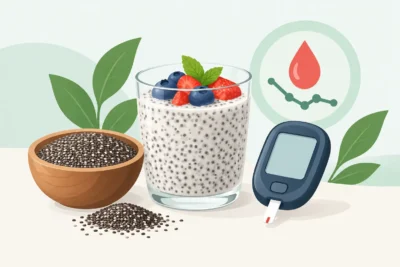
Do Chia Seeds for Blood Sugar Really Help?

How to Reduce Dawn Phenomenon Naturally
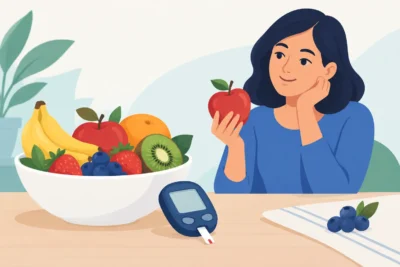
Is Fruit Safe for Diabetes? What to Know
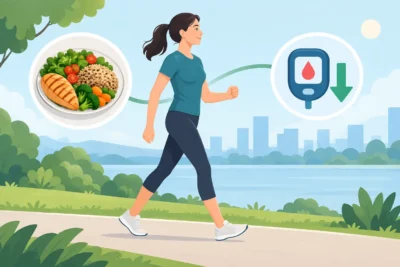
How to Walk After Meals for Better Blood Sugar