
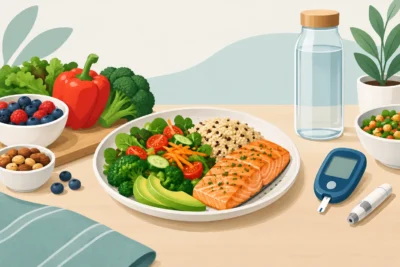
What Is Diabetes and Why It Happens


A lot of people first ask what is diabetes after a blood test comes back high, their doctor mentions prediabetes, or they start noticing stubborn fatigue, thirst, and weight changes that do not make sense. That question matters because diabetes is not just about sugar. It is a condition that affects how your body uses energy, and when it is ignored, it can quietly damage blood vessels, nerves, kidneys, eyes, and heart health over time.
The good news is that diabetes does not always move in one direction. For many people, especially those with prediabetes or Type 2 diabetes, blood sugar can improve with steady changes in food, movement, sleep, stress, and weight management. Understanding what is happening inside your body is the first step toward taking control.
What you\'ll find in this article?
What is diabetes?
Diabetes is a chronic condition that happens when your blood sugar, also called blood glucose, stays too high. Glucose is your body’s main source of fuel. You get it from the food you eat, especially carbohydrates, and your body moves that glucose from the bloodstream into your cells with the help of a hormone called insulin.
When that system works well, blood sugar rises after meals and then returns to a healthy range. With diabetes, that process breaks down. Your body may not make enough insulin, may not use insulin properly, or both. As a result, glucose builds up in the blood instead of being used efficiently for energy.
That is why diabetes can leave people feeling tired even when blood sugar is high. The fuel is there, but the body cannot use it the way it should.

Why blood sugar gets too high
To understand what is diabetes in practical terms, it helps to think about insulin as a key. It helps unlock your cells so glucose can enter. In Type 2 diabetes, which is the most common form, the body often still makes insulin at first, but the cells become resistant to it. The key is there, but the lock does not respond well.
At the beginning, the pancreas tries to keep up by making more insulin. Over time, that extra effort may not be enough. Blood sugar starts staying elevated longer, first after meals, then more consistently throughout the day.
Several things can push the body in that direction. Excess body fat, especially around the abdomen, can worsen insulin resistance. A sedentary lifestyle lowers the body’s ability to use glucose well. Poor sleep, chronic stress, highly processed diets, and genetics can all play a role too. It is rarely just one cause.
The main types of diabetes
Not all diabetes is the same, and that matters because the cause and treatment can differ.
Type 1 diabetes
Type 1 diabetes is an autoimmune condition. The immune system mistakenly attacks the insulin-producing cells in the pancreas. People with Type 1 diabetes make little or no insulin and need insulin treatment to survive. It often begins in childhood or early adulthood, but it can happen later too.

Lifestyle habits still matter for overall health, but Type 1 diabetes is not caused by eating too much sugar or gaining weight.
Type 2 diabetes
Type 2 diabetes is the most common type and the one most closely tied to insulin resistance. It often develops gradually. Many people have it for years before they are diagnosed.
This is also the type where lifestyle change can make a major difference. Some people are able to bring blood sugar down into a normal or near-normal range through weight loss, better food choices, regular exercise, and improved metabolic health. That does not mean the tendency disappears forever, but it does mean meaningful improvement is possible.
Prediabetes
Prediabetes is the warning stage before Type 2 diabetes. Blood sugar is higher than normal but not yet high enough for a diabetes diagnosis. This stage deserves attention because it is often reversible.
If you have prediabetes, your body is already struggling with blood sugar control. The earlier you act, the better your chances of preventing progression.
Gestational diabetes
Gestational diabetes happens during pregnancy. Hormonal changes can make insulin less effective, which raises blood sugar. It often improves after delivery, but it increases the future risk of Type 2 diabetes for both mother and child.
Common symptoms of diabetes
Some people feel obvious symptoms. Others feel almost nothing until blood sugar has been high for a long time. That is one reason diabetes can go undetected.
Common signs include frequent urination, unusual thirst, constant hunger, fatigue, blurry vision, slow-healing cuts, tingling in the hands or feet, and repeated infections. Some people also notice unexplained weight loss, while others gain weight more easily as insulin resistance worsens.
These symptoms do not always mean diabetes, but they are worth checking. Waiting rarely helps.
Why diabetes is a serious condition
High blood sugar does not just stay in the bloodstream harmlessly. Over time, it can damage delicate tissues throughout the body. That is when complications start to appear.
Poorly controlled diabetes raises the risk of heart disease, stroke, kidney disease, nerve pain, foot problems, and vision loss. It can also affect energy, mood, sleep, sexual health, and immune function. In other words, diabetes is a whole-body issue, not a single-number problem.
That said, risk is not destiny. Better blood sugar control, even modest improvement, can lower the chances of complications and help people feel better day to day.
What causes Type 2 diabetes?
For most readers asking what is diabetes, the bigger question is really why did this happen to me? The honest answer is that Type 2 diabetes usually develops from a mix of factors.
Genetics can raise your risk, especially if diabetes runs in your family. Age can matter too, although younger adults are now developing it more often. Carrying extra weight, especially in the midsection, tends to increase insulin resistance. A diet heavy in refined carbs, sugary drinks, and ultra-processed foods can make blood sugar harder to control. Low activity levels, poor sleep, and chronic stress add to the problem.
Hormonal issues, certain medications, and underlying conditions can contribute as well. So while lifestyle is a major driver, it is not about blame. It is about identifying what you can change now.
Can diabetes be reversed?
This depends on the type. Type 1 diabetes cannot be reversed with lifestyle changes because the body no longer makes enough insulin. Type 2 diabetes is different.
Many people with Type 2 diabetes can achieve remission, meaning blood sugar returns to a non-diabetic range without diabetes medication for a period of time. This usually happens through significant and sustained lifestyle improvement, especially weight loss and better insulin sensitivity. Not everyone reaches remission, and some people still need medication, but improvement is absolutely possible.
That is an important distinction. If you hear the word reverse, do not assume there is one quick fix. Real progress usually comes from consistent habits, not miracle claims.
What helps improve blood sugar naturally?
If you are dealing with prediabetes or Type 2 diabetes, the strongest natural strategies are not mysterious. They are simple, but they work best when done consistently.
Food is the biggest lever for many people. Meals built around protein, non-starchy vegetables, fiber-rich carbs, and healthy fats tend to support steadier blood sugar than meals full of white flour, sugary drinks, desserts, and packaged snack foods. Portion size matters too.
Movement helps your muscles use glucose more effectively. Walking after meals, strength training, and regular daily activity can all improve insulin sensitivity. You do not need to become an athlete overnight. You do need to move more than you do now.
Weight loss can be especially powerful for Type 2 diabetes, even if it is modest. Better sleep and stress management matter more than many people realize because both directly affect blood sugar regulation.
Some people also explore supplements or natural remedies. These may have a supporting role, but they should not replace the basics. Food quality, movement, sleep, and consistent monitoring are still the foundation.
When to get tested
You should talk to a healthcare professional if you have symptoms of high blood sugar, a family history of diabetes, excess abdominal weight, high blood pressure, abnormal cholesterol, or a history of gestational diabetes. Testing is especially important if you have been told you have prediabetes in the past and have not checked in recently.
Common tests include fasting blood sugar, A1C, and an oral glucose tolerance test. These numbers help show whether your body is handling glucose normally, heading toward trouble, or already in the diabetic range.
Getting tested is not overreacting. It is how you catch a problem while you still have room to change the outcome.
At Diabetes Cure Now, the core message is simple: diabetes is serious, but it is also highly responsive to daily choices, especially in its early and middle stages. The sooner you understand what your body is telling you, the sooner you can start making changes that actually move the numbers in the right direction.
If you came here wondering what is diabetes, start with this truth: it is a warning sign from your metabolism, not a life sentence to decline. The next meal, the next walk, and the next decision still count.
Important notice: The content of Diabetes Cure Now is solely educational and informational and does not replace the evaluation, diagnosis, or treatment of a doctor or health professional. Before making changes to your diet, exercise, or medication, consult with a qualified professional..
Content reviewed for educational purposes and based on public medical sources.
Sources consulted
- American Diabetes Association (ADA)
- Mayo Clinic
- CDC
- NIH
12 Diabetic Recipes That Keep Meals Balanced
Diabetic Kidney Health Guide for Daily Protection
How to Start Walking With Diabetes Safely

10 Healthy Soups for Diabetics That Satisfy
Do Chia Seeds for Blood Sugar Really Help?

How to Reduce Dawn Phenomenon Naturally
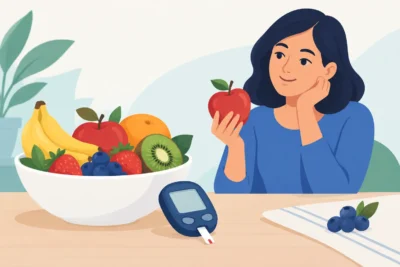
Is Fruit Safe for Diabetes? What to Know
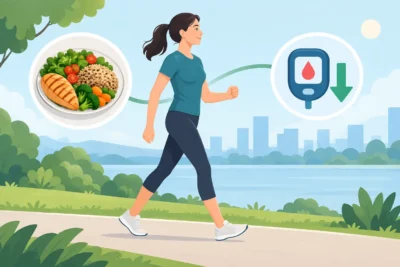
How to Walk After Meals for Better Blood Sugar