
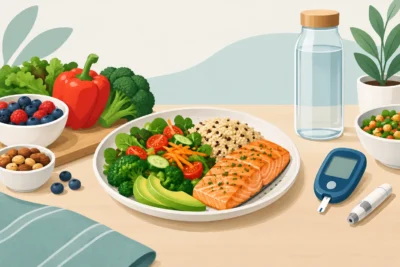
When Should Diabetics Check Glucose Each Day?


A glucose check is more than a number on a screen. It can show how last night's meal, a rushed breakfast, a walk after dinner, stress, sleep, or medication is affecting your body. If you have ever wondered when should diabetics check glucose, the best answer is: at times that reveal useful patterns and help you make safer daily decisions.
For many people with Type 2 diabetes or prediabetes, checking at strategic times is more valuable than checking constantly without a plan. Your ideal schedule depends on your medications, whether you use insulin, your goals, and what your healthcare professional recommends. Still, a few key checkpoints can give you a clear picture of where your blood sugar is heading.
What you\'ll find in this article?
When should diabetics check glucose during the day?
The most useful testing times usually center on fasting levels, meals, exercise, and symptoms. You may not need to test at every one of these times every day, especially if you do not use insulin. Instead, use testing to answer a question: Does this breakfast spike me? Is my evening walk helping? Is my morning number high because of my late snack?
First thing in the morning
Fasting blood glucose is checked when you wake up, before eating or drinking anything other than water. This reading reflects what happened overnight and is often one of the first numbers people focus on.
For many nonpregnant adults with diabetes, common targets are 80 to 130 mg/dL before meals. Your personal goal may be different based on your age, health history, and treatment plan.

A high morning reading does not automatically mean you made a mistake. Some people experience the dawn phenomenon, when hormones released in the early morning tell the liver to send glucose into the bloodstream. A late, high-carbohydrate meal, poor sleep, illness, stress, or insufficient medication can also raise fasting numbers. Tracking your evening meal, sleep, and morning reading for a week can reveal a pattern worth discussing with your clinician.
Before a meal
Testing before meals helps you see your starting point. This can be especially useful if you use mealtime insulin or medications that can cause low blood sugar. It also helps you understand whether your previous meal has fully settled.
If your pre-meal readings are repeatedly above your target, do not assume the next meal is the only issue. Look back at what happened earlier: portions, snacks, sweetened drinks, sitting for long periods, stress, or missed medication can all play a role.
One to two hours after eating
Post-meal testing is one of the most practical tools for improving food choices. Check one to two hours after the beginning of a meal, using the timing your healthcare professional has suggested. Many adults aim to stay below 180 mg/dL at that point, but individual targets vary.
This test can turn vague advice into personal information. A bowl of oatmeal may work well for one person and cause a sharp rise for another. The same is true for fruit, rice, tortillas, potatoes, cereal, and even foods marketed as healthy.

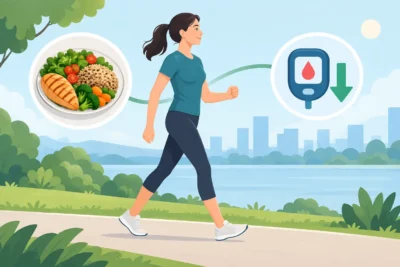
You do not have to test after every meal forever. Try checking after the same breakfast or dinner on several different days. Then compare meals. You may find that adding eggs, Greek yogurt, chicken, beans, nonstarchy vegetables, or another source of protein and fiber helps flatten the rise. Smaller portions of starch and a 10- to 20-minute walk after eating can also make a meaningful difference.
Before and after exercise
Physical activity often helps muscles use glucose for energy, which can lower blood sugar. Checking before and after a new workout, a longer walk, yard work, or strength-training session can show you how your body responds.
This matters most for people using insulin or medicines that may cause hypoglycemia, such as sulfonylureas. Exercise can lower glucose during activity and for hours afterward. If you take these medications, ask your prescriber about safe thresholds, carbohydrate needs, and whether medication adjustments are appropriate.
For people with very high glucose, exercise is not always the immediate answer. If your reading is 300 mg/dL or higher, or you feel ill, seek individualized medical guidance before exercising. People with Type 1 diabetes should check ketones when advised by their diabetes team, particularly with high glucose and illness.
Any time you feel low or unusually unwell
Check your glucose right away if you feel shaky, sweaty, hungry, dizzy, confused, weak, irritable, or have a racing heartbeat. These can be signs of low blood sugar. A reading below 70 mg/dL is generally considered low and needs prompt treatment.
The usual first step is the 15-15 approach: take 15 grams of fast-acting carbohydrate, wait 15 minutes, then recheck. Glucose tablets, regular juice, or regular soda can work quickly. If you are confused, unable to swallow, unconscious, or having a seizure, someone should call 911 immediately.
Also test when you feel unusually thirsty, are urinating often, have blurred vision, nausea, or extreme fatigue. These symptoms can occur with high blood sugar, although some people have few symptoms even at elevated levels.
A simple glucose-testing routine for Type 2 diabetes
If you are not taking insulin and your provider has not asked for frequent monitoring, a rotating schedule is often more realistic than multiple daily finger sticks. For example, check fasting glucose for three mornings. On the next few days, check two hours after breakfast. Later in the week, test after dinner or after a walk.
Write down the reading along with the meal, portion size, activity, sleep quality, stress level, and medication timing. A number without context can be frustrating. A number paired with context becomes useful feedback.
Here is what you are looking for over time: repeated morning highs, meals that consistently produce large rises, low readings after activity, or numbers that do not improve despite steady habits. One unexpected reading is not a verdict on your health. Trends are what guide productive changes.
How often should people using insulin test?
People who use insulin generally need a more structured schedule. Depending on the type of insulin and treatment plan, this may include testing before meals, at bedtime, before driving, before exercise, when symptoms occur, and sometimes overnight.
Do not reduce or change insulin based on an online article or a few readings. Insulin is powerful, and even positive lifestyle changes such as weight loss, lower carbohydrate intake, or increased exercise can change your needs quickly. Work with your prescribing clinician to adjust safely.
Continuous glucose monitors, or CGMs, can make pattern tracking easier by showing glucose trends throughout the day and night. They can be particularly helpful for people using insulin or those who experience unexplained lows. But a CGM is still a tool, not a reason to panic over every small movement. If the number does not match how you feel, follow the device instructions and consider confirming with a finger-stick meter.
Make your readings work for you
The goal of monitoring is not perfection. It is learning what moves your glucose in the right direction and repeating those actions often enough to matter. Start with one measurable change, such as replacing a sugary drink, adding vegetables and protein to breakfast, walking after dinner, or moving your last meal earlier.
Bring your glucose notes to medical appointments. They can help your healthcare team see what an A1C test cannot always show: daily spikes, overnight patterns, or possible medication-related lows.
Your meter can become a practical coach rather than a source of fear. Check with purpose, notice the patterns, and use each result as one more opportunity to build habits that support steadier blood sugar and stronger long-term health.
Important notice: The content of Diabetes Cure Now is solely educational and informational and does not replace the evaluation, diagnosis, or treatment of a doctor or health professional. Before making changes to your diet, exercise, or medication, consult with a qualified professional..
Content reviewed for educational purposes and based on public medical sources.
Sources consulted
- American Diabetes Association (ADA)
- Mayo Clinic
- CDC
- NIH
12 Diabetic Recipes That Keep Meals Balanced
Diabetic Kidney Health Guide for Daily Protection
How to Start Walking With Diabetes Safely

10 Healthy Soups for Diabetics That Satisfy
Do Chia Seeds for Blood Sugar Really Help?

How to Reduce Dawn Phenomenon Naturally
Is Fruit Safe for Diabetes? What to Know
How to Walk After Meals for Better Blood Sugar