
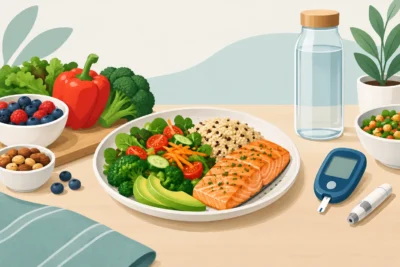
How to Start Reversing Prediabetes Today


A prediabetes result can feel like a warning siren, but it is also a valuable opportunity. Learning how to start reversing prediabetes means acting before high blood sugar has years to quietly damage your blood vessels, nerves, eyes, and heart. For many people, steady lifestyle changes can bring blood sugar back into a healthier range and greatly reduce the risk of developing Type 2 diabetes.
You do not need a perfect diet, an extreme workout schedule, or a shelf full of supplements. You need a clear starting point and a plan you can repeat on ordinary weekdays, busy weekends, and stressful seasons.
What you\'ll find in this article?
Start With Your Numbers, Not Guesswork
Prediabetes means your blood sugar is higher than normal but not yet in the diabetes range. It is usually found through an A1C blood test, fasting blood glucose test, or oral glucose tolerance test. In the United States, an A1C of 5.7% to 6.4% is generally considered prediabetes.
Ask your healthcare professional which test was high and what your number was. That number gives you a baseline. It also helps you and your care team see whether your actions are working over the next few months.
Prediabetes is not identical for everyone. Someone with an A1C near 5.7%, who is active and only recently gained weight, may respond quickly to modest changes. Someone with an A1C near 6.4%, sleep apnea, high blood pressure, or a long family history of diabetes may need a more structured plan and closer follow-up. Both can make meaningful progress.

How to Start Reversing Prediabetes With Food
Food has the most immediate effect on blood sugar, but improving your meals does not require banning every carbohydrate. The goal is to reduce the large glucose spikes that can happen when meals are built around refined starches and added sugar.
Start by looking at your usual breakfast and your evening meal. These are often the easiest places to make a change. A breakfast of sweet cereal, toast, juice, or flavored coffee can raise blood sugar quickly while leaving you hungry soon after. Try building breakfast around protein and fiber instead, such as eggs with vegetables, plain Greek yogurt with berries and nuts, or oatmeal topped with chia seeds and nut butter.
At lunch and dinner, use a simple plate approach. Fill about half the plate with non-starchy vegetables, such as broccoli, green beans, salad, cauliflower, peppers, or zucchini. Add a palm-sized serving of protein, including fish, chicken, turkey, eggs, tofu, beans, or lean meat. Then choose a smaller portion of high-fiber carbohydrates, such as lentils, black beans, brown rice, quinoa, sweet potato, or fruit.
This approach is not about making rice, potatoes, or fruit forbidden. It is about portion size, preparation, and what you eat alongside them. A baked potato paired with salmon and a large salad affects blood sugar differently than fries with a sugary drink.
The most powerful food changes often come from cutting back on liquid sugar and highly processed snacks. Soda, sweet tea, energy drinks, fruit punch, pastries, chips, candy, and oversized desserts can make blood sugar management much harder. Replace them gradually with water, sparkling water, unsweetened tea, or coffee with little or no added sugar.

Aim for Weight Loss if It Is Appropriate for You
If you carry extra weight, even a modest loss can improve insulin sensitivity. A commonly recommended target is losing 5% to 7% of starting body weight, although the right goal depends on your health, age, medications, and body composition.
For a person who weighs 220 pounds, a 5% loss is 11 pounds. That may sound small, but it can make a real difference in blood sugar, blood pressure, triglycerides, and energy. You do not need to chase rapid weight loss. Slow, consistent progress is usually easier to maintain and less likely to lead to rebound eating.
Focus on habits that naturally reduce calorie intake without leaving you constantly hungry. Protein at meals, vegetables, fiber-rich foods, fewer sugary drinks, and less late-night snacking are practical starting points. If emotional eating or frequent cravings are part of the picture, address those patterns with support rather than blaming yourself.
Move Your Muscles Every Day
Your muscles use glucose for fuel. That means physical activity can lower blood sugar even before the scale changes. You do not have to join a gym to get started.
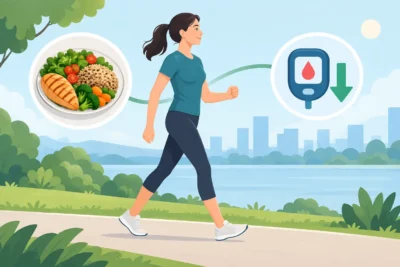
A 10- to 15-minute walk after meals is one of the simplest habits for people with prediabetes. Walking after dinner is especially useful if evenings are when you tend to sit, snack, and watch television. Begin at a comfortable pace and build from there.
The long-term goal for many adults is at least 150 minutes a week of moderate activity, such as brisk walking, cycling, swimming, or dancing. Spread it across the week in a way that fits your life. Five 30-minute walks work well, but three longer sessions plus shorter post-meal walks can work too.
Strength training matters as well because muscle tissue helps your body handle glucose more effectively. Two or three sessions a week can be enough to start. Chair squats, wall pushups, resistance bands, light dumbbells, and body-weight exercises are all useful options. If you have joint pain, heart concerns, neuropathy, or balance problems, ask your clinician which activities are safest.
Protect Sleep and Lower the Stress Load
Poor sleep can increase hunger, worsen insulin resistance, and make it much harder to say no to sugary foods the next day. Aim for a regular sleep schedule and create a simple wind-down routine. Turning off screens earlier, keeping the bedroom cool and dark, and avoiding large meals or alcohol close to bedtime can help.
If you snore loudly, wake up gasping, feel exhausted despite sleeping enough, or fall asleep easily during the day, discuss possible sleep apnea with a healthcare professional. Sleep apnea is common in people with insulin resistance and can interfere with blood sugar improvement.
Stress is another factor that deserves practical attention. When stress stays high, hormones such as cortisol can push blood sugar upward and trigger comfort eating. You do not have to eliminate stress to improve your health. A daily walk, a few minutes of slow breathing, prayer, stretching, journaling, or calling a supportive friend can create a healthier response to it.
Build a Plan You Can Actually Keep
The best prediabetes plan is not the strictest plan. It is the one you can follow long enough for your A1C to change. Avoid trying to overhaul every meal, start intense exercise, and quit every favorite food in the same week. That approach often creates burnout.
Choose two actions for the next 14 days. For example, you might replace sugary drinks with water on weekdays and walk for 10 minutes after dinner. Once those actions feel normal, add another habit, such as preparing a protein-rich breakfast or doing strength exercises twice a week.
Tracking can be helpful, but it should serve you rather than make you anxious. You may track your walks, meals, body weight, waist measurement, or home glucose readings if your healthcare professional recommends them. Look for trends, not perfection. One restaurant meal or missed workout does not erase the work you have done.
When to Get Medical Support
Lifestyle changes are foundational, but they are not a substitute for medical care. Schedule follow-up testing as recommended, often within about three months, so you can see whether your A1C or fasting glucose is improving. Your clinician may also check blood pressure, cholesterol, liver health, and medications that can affect glucose.
Some people benefit from medication such as metformin, particularly when blood sugar is rising, there is a history of gestational diabetes, body weight is high, or diabetes risk is especially strong. Taking medication, if it is recommended, does not mean you have failed. It can be one tool alongside food, movement, sleep, and weight management.
Start with the next meal and the next walk. Each repeatable choice gives your body a better chance to respond, and those ordinary choices can become the turning point you have been looking for.
Important notice: The content of Diabetes Cure Now is solely educational and informational and does not replace the evaluation, diagnosis, or treatment of a doctor or health professional. Before making changes to your diet, exercise, or medication, consult with a qualified professional..
Content reviewed for educational purposes and based on public medical sources.
Sources consulted
- American Diabetes Association (ADA)
- Mayo Clinic
- CDC
- NIH
12 Diabetic Recipes That Keep Meals Balanced
Diabetic Kidney Health Guide for Daily Protection
How to Start Walking With Diabetes Safely

10 Healthy Soups for Diabetics That Satisfy
Do Chia Seeds for Blood Sugar Really Help?

How to Reduce Dawn Phenomenon Naturally
Is Fruit Safe for Diabetes? What to Know
How to Walk After Meals for Better Blood Sugar