
Fatty Liver and Blood Sugar: What's the Link?


A lot of people find out they have fatty liver after a routine blood test or ultrasound, then realize their blood sugar has been creeping up too. That is not a coincidence. Fatty liver and blood sugar are closely connected, and when one starts moving in the wrong direction, the other often follows.
The good news is that this connection works both ways. The same daily habits that help lower blood sugar can also reduce fat in the liver. If you have prediabetes, Type 2 diabetes, insulin resistance, or extra belly weight, understanding this link can help you take faster, smarter action.
What you\'ll find in this article?
- Why fatty liver and blood sugar are tied together
- What fatty liver actually means
- How high blood sugar affects the liver
- Common signs that fatty liver and blood sugar may be linked
- Can improving blood sugar reverse fatty liver?
- The most effective natural steps for both
- When supplements may help - and when they may not
- When to get medical advice
Why fatty liver and blood sugar are tied together
Your liver helps regulate blood sugar all day long. It stores glucose, releases it when needed, and plays a major role in how your body handles carbs, fat, and insulin. When too much fat builds up in the liver, those normal processes start to break down.
A fatty liver often becomes less responsive to insulin. This is called insulin resistance. When that happens, the liver may keep releasing glucose into the bloodstream even when your body already has enough. Blood sugar rises, the pancreas pushes out more insulin, and the cycle gets worse.
At the same time, high insulin levels can encourage the liver to make and store more fat. So instead of being separate issues, fatty liver and rising blood sugar often feed each other.

This is one reason fatty liver is so common in people with prediabetes and Type 2 diabetes. It is also why someone can have normal fasting glucose for a while, yet still be moving toward metabolic trouble behind the scenes.
What fatty liver actually means
Fatty liver means excess fat has collected inside liver cells. In many cases, this starts as nonalcoholic fatty liver disease, often linked to weight gain, insulin resistance, a high-sugar diet, and low physical activity. Some people now use the newer term metabolic dysfunction-associated steatotic liver disease, but the core issue is the same: the liver is storing more fat than it should.
Early on, fatty liver may cause no obvious symptoms. That is part of the problem. You can feel mostly fine while your blood sugar control and liver health are gradually getting worse.
If it progresses, fatty liver can move beyond simple fat buildup and into inflammation, scarring, and more serious liver damage. Not everyone reaches that stage, but the risk goes up when blood sugar stays high for years.
How high blood sugar affects the liver
High blood sugar does not only damage blood vessels and nerves. It also puts metabolic pressure on the liver.

When you regularly eat more refined carbs, sugary foods, sweet drinks, and excess calories than your body can handle, the liver has to process that overload. Some of the excess gets converted into fat. Fructose-heavy foods and beverages can be especially hard on the liver in large amounts.
This does not mean fruit is the enemy. Whole fruit is very different from soda, juice, and heavily sweetened processed foods because it comes with fiber and is easier to regulate in reasonable portions. The bigger concern is the steady stream of added sugars and refined starches that keep insulin high and give the liver more fuel to turn into fat.
Over time, poor blood sugar control can increase liver fat, and increased liver fat can make blood sugar harder to control. That is why some people feel like they are doing "pretty well" but still cannot get their glucose numbers to budge. The liver may be a missing piece.
Common signs that fatty liver and blood sugar may be linked
Many people have no symptoms at all, but some clues tend to show up together. You might notice stubborn belly fat, high triglycerides, low HDL cholesterol, rising A1C, elevated fasting glucose, fatigue after meals, or stronger carb cravings. Some people also have high blood pressure or skin darkening around the neck or underarms, which can be a sign of insulin resistance.
Mildly elevated liver enzymes on a blood test can also point in this direction, although some people with fatty liver still have normal liver enzymes. That is why normal labs do not always rule it out.
If you have Type 2 diabetes or prediabetes and have never talked with your doctor about liver health, it may be worth asking. The overlap is too common to ignore.
Can improving blood sugar reverse fatty liver?
In many cases, yes. Fatty liver can often improve, especially in the earlier stages, when you lower insulin resistance and reduce the flow of excess fuel into the liver.
This is where hope matters. The liver is remarkably responsive to lifestyle change. Even moderate weight loss can reduce liver fat. Better meal quality, steady movement, improved sleep, and lower sugar intake can start making a difference faster than many people expect.
That said, results are not always instant. Some people see blood sugar improve before liver markers do. Others lose liver fat while glucose is slower to respond. Age, genetics, medications, menopause, sleep apnea, and how long insulin resistance has been present all affect the timeline.
The most effective natural steps for both
If your goal is to improve fatty liver and blood sugar naturally, focus on the basics that create the biggest metabolic shift.
Eat in a way that lowers insulin demand
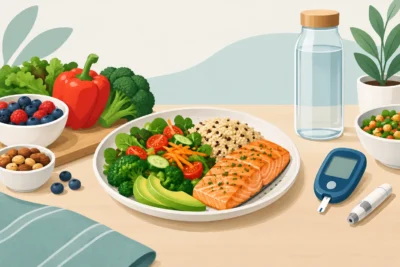
You do not need a perfect diet. You need a repeatable one. Build meals around protein, nonstarchy vegetables, healthy fats, and high-fiber carb sources in reasonable portions. That usually means cutting back on sugary drinks, desserts, white bread, chips, fast food, and oversized pasta or rice meals.
For many people, a breakfast built around eggs, Greek yogurt, cottage cheese, or a protein smoothie works better than cereal, toast, or pastries. Lunch and dinner often go more smoothly when half the plate is vegetables, a solid portion is protein, and starches are controlled instead of taking over the meal.
The goal is not zero carbs for everyone. Some people do very well with lower-carb eating, while others do better with a moderate-carb plan that emphasizes beans, berries, oats, lentils, and other slower-digesting foods. What matters most is reducing the foods that spike glucose and overload the liver.
Lose even a modest amount of weight
If you are overweight, losing 5% to 10% of your body weight can make a real difference in liver fat and insulin sensitivity. That may not sound dramatic, but it can be enough to shift lab numbers and improve daily blood sugar patterns.
Crash dieting is usually the wrong move. It tends to backfire, especially if it leads to binge eating or muscle loss. Slow, steady progress works better for most people.
Walk after meals and build muscle
Exercise helps move glucose out of the bloodstream and into the muscles, where it can be used instead of circulating at high levels. Walking for 10 to 20 minutes after meals can be surprisingly effective. Strength training matters too because muscle improves insulin sensitivity over time.
You do not need a gym obsession. You need consistency. Brisk walks, resistance bands, bodyweight exercises, and simple dumbbell routines can all help.
Protect your sleep and stress levels
Poor sleep and chronic stress can push blood sugar up and make cravings worse. They also increase the odds that you will skip exercise and reach for easy, high-carb comfort foods.
If you snore heavily, wake up tired, or have suspected sleep apnea, do not brush it off. Sleep apnea is strongly tied to insulin resistance and fatty liver.
Be careful with alcohol and ultra-processed foods
Even if your fatty liver is not caused by alcohol, drinking can add extra strain to the liver. Some people may need to avoid it completely for a while. Ultra-processed foods are another problem because they often combine sugar, refined starch, unhealthy fats, and excess calories in a way that drives overeating.
When supplements may help - and when they may not
Some people look into omega-3s, berberine, magnesium, milk thistle, or vitamin E for metabolic support. There is some interest around certain supplements, but they are not magic fixes, and they are not right for everyone.
If you use supplements, they should support a strong food and lifestyle plan, not replace it. Some can interact with medications or be inappropriate for certain liver conditions. A targeted approach makes more sense than taking a long list of pills and hoping one works.
When to get medical advice
If you have ongoing high blood sugar, elevated liver enzymes, pain or fullness on the right side of the abdomen, unusual fatigue, or known diabetes with weight gain around the midsection, get checked. You want to know whether you are dealing with early fatty liver or something more advanced.
This is especially true if your A1C keeps rising even though you are making changes. Sometimes the issue is not effort. It is that the liver, pancreas, sleep, medications, and daily habits all need to be looked at together.
At Diabetes Cure Now, the big message is simple: your body can improve when you remove the pressure that caused the problem. Fatty liver and blood sugar are deeply connected, but that also means one set of smart habits can help both. Start with your next meal, your next walk, and your next week of consistent choices. Small actions, repeated, can change your numbers more than you think.
Important notice: The content of Diabetes Cure Now is solely educational and informational and does not replace the evaluation, diagnosis, or treatment of a doctor or health professional. Before making changes to your diet, exercise, or medication, consult with a qualified professional..
Content reviewed for educational purposes and based on public medical sources.
Sources consulted
- American Diabetes Association (ADA)
- Mayo Clinic
- CDC
- NIH
12 Diabetic Recipes That Keep Meals Balanced
Diabetic Kidney Health Guide for Daily Protection
How to Start Walking With Diabetes Safely
10 Healthy Soups for Diabetics That Satisfy
Do Chia Seeds for Blood Sugar Really Help?

How to Reduce Dawn Phenomenon Naturally
Is Fruit Safe for Diabetes? What to Know
How to Walk After Meals for Better Blood Sugar