
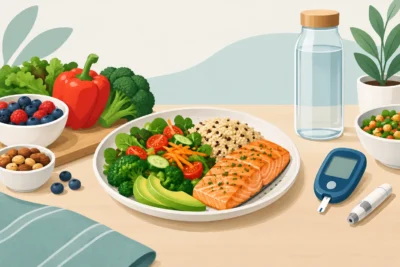
Apple Cider Vinegar Blood Sugar: Does It Help?


A lot of people try apple cider vinegar blood sugar hacks after seeing dramatic claims online. The appeal is obvious - it is cheap, easy to find, and feels like a natural step you can take today. But if you have prediabetes or Type 2 diabetes, the real question is not whether apple cider vinegar is trendy. It is whether it can make a meaningful difference in your numbers.
The short answer is yes, it may help some people modestly, especially around meals. But it is not a cure, and it is not a substitute for the basics that actually move blood sugar in a bigger way, like weight loss, smarter carb choices, walking after meals, strength training, sleep, and consistency.
What you\'ll find in this article?
- How apple cider vinegar blood sugar effects may work
- What the research says about apple cider vinegar and blood sugar
- How to use apple cider vinegar safely
- Who should be careful with apple cider vinegar
- The best way to test apple cider vinegar blood sugar benefits
- What helps more than vinegar
- Is apple cider vinegar worth trying?
How apple cider vinegar blood sugar effects may work
Apple cider vinegar contains acetic acid, and that is the part researchers believe may influence blood sugar response. In simple terms, acetic acid may slow how quickly food leaves your stomach and may reduce how fast certain carbohydrates are broken down and absorbed. That can lead to a smaller rise in blood sugar after eating.
For someone dealing with post-meal spikes, that matters. Many people with insulin resistance do not just struggle with fasting glucose. Their blood sugar jumps hard after breakfast, lunch, or dinner, then stays elevated longer than it should. If vinegar slightly lowers that spike, it may support better day-to-day control.
Some studies also suggest vinegar may improve insulin sensitivity in certain situations. That does not mean your body suddenly becomes metabolically healthy overnight. It means your cells may respond a little better to insulin after vinegar is taken with a meal, particularly a higher-carb meal.

That is the key word here: a little. The effect is usually modest, not dramatic.
What the research says about apple cider vinegar and blood sugar
The research on vinegar and glucose control is promising, but it is not strong enough to treat apple cider vinegar like a proven diabetes therapy. Most studies are small, short-term, or focused on specific meal settings rather than long-term outcomes.
What researchers have seen most consistently is a reduction in post-meal blood sugar in some people, especially when vinegar is taken before or with a carb-containing meal. There is also some evidence that vinegar before bed may help lower fasting blood sugar the next morning in certain individuals, though the effect is not reliable for everyone.
That last part matters. Blood sugar response is personal. One person may see a small improvement using vinegar with dinner, while another sees almost nothing. If you wear a continuous glucose monitor or test your glucose regularly, you may be able to tell whether it helps your body specifically.
There is also a difference between adding vinegar to an otherwise blood sugar-friendly meal and using it to try to cancel out a high-sugar, high-starch meal. It may blunt a spike, but it does not erase the effects of overeating refined carbs. If dinner is a large plate of pasta, garlic bread, and dessert, vinegar is not going to make that meal metabolically harmless.

How to use apple cider vinegar safely
If you want to test whether apple cider vinegar helps your blood sugar, keep it simple and be careful. Most people use 1 to 2 teaspoons up to 1 tablespoon diluted in a large glass of water before a meal. Some people prefer mixing it into a salad dressing and eating it with the meal instead.
Dilution matters. Drinking it straight can irritate your throat and damage tooth enamel over time. Using a straw can also help reduce contact with your teeth, and rinsing your mouth with plain water afterward is a smart move.
Start small. There is no prize for taking the most vinegar. If your stomach does not tolerate it well, more is not better. A lower amount used consistently is far more realistic than forcing down a strong drink you dread every day.
Timing may also matter. Most people who use it for blood sugar support take it shortly before meals or with meals that contain carbohydrates. If your goal is better fasting glucose, some people experiment with a small diluted amount in the evening, but that is where monitoring your own response becomes especially important.
Who should be careful with apple cider vinegar
Natural does not always mean harmless. Apple cider vinegar can interact poorly with certain health situations, and this is where common sense matters.
If you take insulin or blood sugar-lowering medication, vinegar could increase the chance of glucose dropping too low, especially if you are already making diet changes or losing weight. If you are seeing lower readings than usual, do not guess your way through it. Talk with your healthcare provider about whether medication adjustments are needed.
If you have a history of acid reflux, ulcers, gastroparesis, kidney issues, or a sensitive stomach, vinegar may make symptoms worse. Since delayed stomach emptying is already a concern for some people with long-term diabetes, adding vinegar is not always a smart fit.
It may also affect potassium levels in some cases, particularly with heavy use or in people taking certain medications such as diuretics. This is another reason not to treat it like a miracle tonic.
The best way to test apple cider vinegar blood sugar benefits
If you really want to know whether vinegar helps, use a basic self-experiment instead of relying on internet testimonials. Keep one meal as consistent as possible for several days. Check your blood sugar before the meal and again at your usual post-meal time, whether that is one hour or two hours after eating.
Then repeat the same meal on different days, but add a small diluted serving of apple cider vinegar before eating. Compare your numbers. If your post-meal rise is meaningfully lower and you feel fine, that tells you more than any headline ever will.
This is the kind of practical approach that fits real blood sugar management. Your body is what matters. Not every strategy works for every person, and you do not need to force a remedy that gives you no measurable benefit.
What helps more than vinegar
Apple cider vinegar can be a small tool, but it works best when it sits inside a bigger strategy. If you want stronger blood sugar improvement, focus first on the levers that consistently deliver better results.
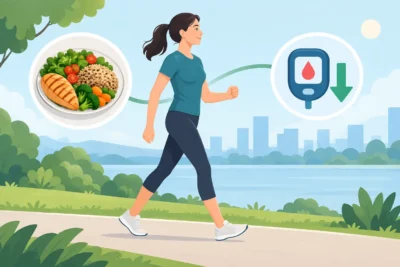
Eating protein, fiber, and healthy fats with carbs usually does more for blood sugar stability than vinegar alone. A 10 to 15 minute walk after meals can make a surprisingly noticeable difference. Losing even a modest amount of weight can improve insulin sensitivity in a way vinegar cannot match.
Strength training is another major win because muscle helps pull glucose out of the bloodstream more effectively. Better sleep and lower stress also matter more than many people realize. When sleep is poor and stress hormones stay high, blood sugar often follows.
So yes, keep vinegar in perspective. It may support your efforts, but it should not distract you from the habits that create real metabolic change.
Is apple cider vinegar worth trying?
For many adults with prediabetes or Type 2 diabetes, apple cider vinegar is worth trying as a low-cost experiment if it is used safely and tolerated well. The possible benefit is usually a modest reduction in post-meal blood sugar, not a dramatic transformation. That may still be useful, especially if your numbers tend to spike after eating.
The trade-off is that some people get stomach irritation, reflux, or no noticeable benefit at all. That is why a measured approach makes sense. Use a small amount, dilute it, track your response, and be honest about whether it is helping.
At Diabetes Cure Now, we believe the most effective natural strategies are the ones you can repeat consistently and measure clearly. Apple cider vinegar may earn a place in your routine, but only if it supports your bigger goal: building daily habits that move your blood sugar in the right direction and keep it there.
If you try it, think of it as a small assist, not the main event. The real progress still comes from what you put on your plate, how often you move, and the choices you repeat when no one is watching.
Important notice: The content of Diabetes Cure Now is solely educational and informational and does not replace the evaluation, diagnosis, or treatment of a doctor or health professional. Before making changes to your diet, exercise, or medication, consult with a qualified professional..
Content reviewed for educational purposes and based on public medical sources.
Sources consulted
- American Diabetes Association (ADA)
- Mayo Clinic
- CDC
- NIH
12 Diabetic Recipes That Keep Meals Balanced
Diabetic Kidney Health Guide for Daily Protection

How to Start Walking With Diabetes Safely

10 Healthy Soups for Diabetics That Satisfy
Do Chia Seeds for Blood Sugar Really Help?

How to Reduce Dawn Phenomenon Naturally
Is Fruit Safe for Diabetes? What to Know
How to Walk After Meals for Better Blood Sugar