
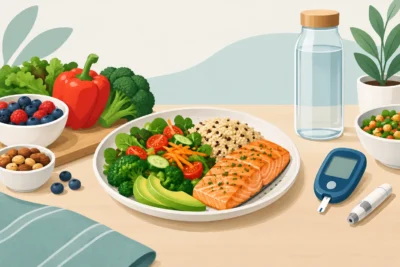
10 Best Anti Inflammatory Foods for Diabetes


When your blood sugar is running high, your body usually gives you signals - more cravings, more fatigue, slower progress with weight loss, and that frustrating feeling that even "healthy" meals are not helping enough. That is why so many people search for the best anti inflammatory foods diabetes meal plans should include. They are not magic foods, but the right choices can make it easier to calm inflammation, improve insulin response, and build meals that work with your body instead of against it.
For many adults with Type 2 diabetes or prediabetes, inflammation and blood sugar problems feed off each other. Chronically elevated glucose can increase inflammation, and chronic inflammation can make insulin resistance worse. That means food choices that reduce both problems at the same time are especially valuable. The goal is not to chase superfoods. The goal is to create a daily pattern of eating that supports better metabolic health.
What you\'ll find in this article?
Why anti-inflammatory foods matter for diabetes
Inflammation is part of the body's natural defense system, but when it stays switched on at a low level for months or years, it can contribute to insulin resistance, weight gain, and higher risk for complications. Many people think only sugar matters in diabetes. Sugar matters, but the bigger picture includes how your meals affect hormones, appetite, energy, and inflammation.
Anti-inflammatory foods tend to have a few things in common. They are usually rich in fiber, antioxidants, healthy fats, vitamins, minerals, or plant compounds that help the body manage stress and repair. They also tend to replace foods that push inflammation higher, such as refined carbs, sugary drinks, heavily processed snacks, and fried fast food.
That trade-off matters. Adding blueberries to breakfast helps, but it helps much more when they replace a pastry instead of sitting next to one.

Best anti inflammatory foods diabetes diets should include
Fatty fish
Salmon, sardines, trout, and mackerel are some of the strongest foods for fighting inflammation. They are rich in omega-3 fats, which may help lower inflammatory markers and support heart health - a major concern for people with diabetes.
Fish also gives you high-quality protein without the blood sugar spike that often comes with carb-heavy meals. If you are trying to improve insulin resistance, a dinner built around salmon and non-starchy vegetables will usually work better than a dinner built around breaded meat and fries.
If fresh fish is expensive, canned sardines or canned salmon are practical options.
Leafy greens
Spinach, kale, collard greens, arugula, and romaine are low in carbs and high in nutrients. They provide magnesium, folate, and antioxidants that support overall metabolic health. They also add bulk to meals without pushing glucose high.
Leafy greens are useful because they make healthy meals easier to build. A large salad with protein, olive oil, and some nuts can keep you full much longer than a low-fat, high-carb lunch that leaves you hungry an hour later.

Berries
Berries are one of the best fruit choices for many people with diabetes. Blueberries, strawberries, raspberries, and blackberries contain fiber and polyphenols that may help reduce inflammation. They are naturally sweet, but they generally have a gentler effect on blood sugar than many other fruits.
Portion size still matters. A bowl of berries with plain Greek yogurt or chia seeds is very different from a berry smoothie loaded with juice, honey, and frozen yogurt.
Olive oil
Extra virgin olive oil is a staple in anti-inflammatory eating patterns for a reason. It contains monounsaturated fats and beneficial compounds that support heart and metabolic health. It can also make healthy food taste better, which matters if you want changes to last.
Use it in salad dressings, drizzled over roasted vegetables, or for light cooking. Just remember that olive oil is healthy, but it is still calorie-dense. If weight loss is part of your blood sugar plan, using the right amount matters.
Nuts and seeds
Walnuts, almonds, pistachios, chia seeds, flaxseeds, and pumpkin seeds can all earn a place in a diabetes-friendly kitchen. They provide healthy fats, fiber, and some protein, which can help blunt hunger and reduce the urge to snack on high-carb foods later.
Walnuts and flaxseeds are especially appealing because they contain omega-3 fats. Chia seeds can also help make meals more filling. The main caution here is portion control. Nuts are easy to overeat, especially straight from a large container.
Beans and lentils
Beans and lentils are often misunderstood by people with diabetes because they contain carbs. But they also contain fiber and plant protein, which changes the picture. For many people, they produce a steadier response than refined grains or sugary foods.
Black beans, chickpeas, lentils, and kidney beans can support gut health and reduce reliance on processed starches. They are a strong example of why food quality matters more than carb fear alone. Still, it depends on the person. Some people tolerate lentils better than large servings of beans, so testing your blood sugar response can be helpful.
Cruciferous vegetables
Broccoli, cauliflower, Brussels sprouts, and cabbage are low-glycemic vegetables with compounds that support the body's detox and defense systems. They are also filling, versatile, and easy to use in place of more processed side dishes.
If you are trying to reduce inflammation and lose weight at the same time, these vegetables do a lot of heavy lifting. Roasted broccoli with olive oil and garlic is far more supportive than a side of chips or white rice.
Avocados
Avocados offer fiber, potassium, and heart-healthy fats. They can make meals more satisfying and help reduce the blood sugar roller coaster that follows low-fiber, high-carb meals.
They are especially useful at breakfast or lunch. Adding avocado to eggs or a salad can help you stay fuller and reduce afternoon cravings. Like nuts and oils, though, avocados are nutrient-dense and calorie-dense, so balance still matters.
Cinnamon, turmeric, and ginger
These are not miracle cures, but they are useful flavor tools with anti-inflammatory potential. Cinnamon may help support blood sugar control in some people, while turmeric and ginger are often used to help calm inflammation.
The best way to think about spices is as small daily advantages. Stir cinnamon into plain oatmeal or yogurt, add ginger to a stir-fry, and use turmeric in soups or scrambled eggs. Just keep expectations realistic. Spices support a healthy diet. They do not cancel out a poor one.
Plain yogurt or kefir
Unsweetened yogurt and kefir can support gut health, and gut health may play a role in inflammation and metabolic function. Plain Greek yogurt also gives you protein, which can make breakfast or snacks more blood-sugar-friendly.
The problem is that many flavored yogurts are basically desserts in disguise. Read the label and aim for plain versions with no added sugar. You can always add berries, chia seeds, or cinnamon yourself.
Foods that can work against your progress
If you want the best anti inflammatory foods for diabetes to actually help, you also need to notice what may be driving inflammation higher. Sugary drinks, white bread, pastries, candy, processed snack foods, deep-fried meals, and heavily processed meats can all make blood sugar harder to manage.
This does not mean your diet has to be perfect overnight. It means the everyday pattern matters most. Replacing soda with sparkling water, switching from chips to nuts a few times a week, or trading sweet cereal for eggs and berries can start moving your numbers in the right direction.
How to build meals around anti-inflammatory foods
The simplest approach is to build your plate around protein, non-starchy vegetables, healthy fat, and a smart carb choice if needed. That could look like salmon with broccoli and a small serving of lentils, or a large salad with chicken, olive oil, avocado, and pumpkin seeds.
Breakfast is where many people struggle. A bagel, juice, or sugary cereal can create a strong spike early in the day. A more helpful option might be eggs with spinach and avocado, or plain Greek yogurt with berries, walnuts, and cinnamon.
It is also wise to pay attention to your own response. Two people can eat the same "healthy" meal and get different readings. If you monitor your glucose, use that information. Your body gives better feedback than food trends do.
A practical way to start this week
You do not need a complete pantry overhaul. Start with three changes you can repeat consistently. Keep berries and plain yogurt in the fridge, switch one or two dinners to fish each week, and add a large serving of vegetables to lunch and dinner. If that feels manageable, then build from there.
At Diabetes Cure Now, the most effective strategy is rarely the most extreme one. It is the plan you can stick with long enough to lower inflammation, improve insulin sensitivity, and create real momentum.
Better blood sugar often starts with ordinary meals made a little smarter, a little more consistently, and a lot more intentionally.
Important notice: The content of Diabetes Cure Now is solely educational and informational and does not replace the evaluation, diagnosis, or treatment of a doctor or health professional. Before making changes to your diet, exercise, or medication, consult with a qualified professional..
Content reviewed for educational purposes and based on public medical sources.
Sources consulted
- American Diabetes Association (ADA)
- Mayo Clinic
- CDC
- NIH
12 Diabetic Recipes That Keep Meals Balanced

Diabetic Kidney Health Guide for Daily Protection

How to Start Walking With Diabetes Safely
10 Healthy Soups for Diabetics That Satisfy
Do Chia Seeds for Blood Sugar Really Help?

How to Reduce Dawn Phenomenon Naturally

Is Fruit Safe for Diabetes? What to Know

How to Walk After Meals for Better Blood Sugar