
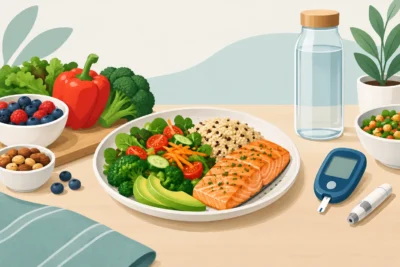
12 Best High Fiber Foods for Diabetes


When blood sugar swings leave you tired, hungry, and frustrated, fiber can change the game. The best high fiber foods for diabetes help slow digestion, reduce post-meal spikes, and make it easier to stay full without feeling deprived. That matters whether you are trying to prevent Type 2 diabetes, manage prediabetes, or get better control over numbers that never seem to cooperate.
Fiber works because it slows how quickly carbohydrates are broken down and absorbed. In real life, that can mean fewer sharp jumps after meals and less of the crash that sends you looking for snacks an hour later. It also supports gut health, weight management, and heart health, which all matter when you are trying to improve metabolic health from the ground up.
That said, not every high-fiber food helps in the same way. Some come packaged with a lot of starch or sugar, while others offer a better balance of fiber, protein, and nutrients. The goal is not just to eat more fiber. It is to choose fiber-rich foods that actually fit a diabetes-friendly plate.
What you\'ll find in this article?
Why the best high fiber foods for diabetes matter
For many people, the problem is not carbohydrates alone. It is fast-digesting, low-fiber meals that hit the bloodstream quickly and leave very little satiety behind. A bowl of sugary cereal and a glass of juice can raise blood sugar very differently than a meal built around beans, vegetables, and seeds.
Fiber helps by slowing gastric emptying and improving the pace of glucose absorption. Soluble fiber is especially useful because it forms a gel-like substance in the digestive tract. Foods rich in soluble fiber, like oats, beans, and chia seeds, often have the biggest effect on steadier blood sugar.

There is also a practical benefit. High-fiber foods usually require more chewing, take up more space on the plate, and help you feel satisfied on fewer calories. If weight loss is part of your diabetes improvement plan, that is a real advantage.
12 best high fiber foods for diabetes
1. Beans
Black beans, pinto beans, navy beans, and chickpeas are some of the strongest foods you can build around. They deliver fiber and plant protein together, which is a powerful combination for blood sugar control. Beans tend to be more filling than processed carb foods, and they work in soups, salads, bowls, and simple side dishes.
The trade-off is portion size. Beans still contain carbohydrates, so eating a huge serving can push blood sugar up. Many people do well with about a half cup to one cup, depending on the rest of the meal.
2. Lentils
Lentils cook faster than most beans and are one of the easiest swaps for rice or pasta in a blood sugar-friendly meal. They are rich in fiber, provide protein, and often lead to a gentler blood sugar response than refined grains.
Red lentils cook soft and fast, while green and brown lentils hold their shape better. If you want a simple diabetes-friendly dinner, lentils with non-starchy vegetables and olive oil is a strong place to start.

3. Chia seeds
Chia seeds are small, but they pull a lot of weight. They are packed with fiber and absorb liquid, which helps create fullness. They work well in yogurt, oatmeal, smoothies, or chia pudding.
What makes them especially useful is how easy they are to add without changing your whole diet. One or two tablespoons can increase the fiber content of a meal quickly. Just remember that they expand, so drink enough water.
4. Flaxseeds
Ground flaxseeds are another smart option for people with diabetes. They contain fiber and healthy fats, and they blend easily into foods you already eat. Stir them into plain yogurt, sprinkle them over vegetables, or mix them into a low-sugar smoothie.
Whole flaxseeds can pass through the body undigested, so ground flax is usually the better choice if you want the most benefit.
5. Oats
Oats contain a type of soluble fiber called beta-glucan, which is well known for supporting both blood sugar and cholesterol levels. A bowl of plain rolled or steel-cut oats is a different food from sugary instant packets. The less processed the oats, the better they usually perform.
If oatmeal tends to raise your blood sugar, the fix is often in what you add. Pair it with nuts, seeds, cinnamon, or plain Greek yogurt instead of brown sugar, honey, or dried fruit in large amounts.
6. Avocados
Avocados are not the highest-fiber food on this list, but they are one of the most useful. They offer fiber along with healthy fat, which can help make meals more satisfying and slow digestion.
They are also easy to use. Add avocado to eggs, salads, wraps, or vegetable bowls. For many people, it is a simple way to make a lower-carb meal feel like enough.
7. Berries
Fruit can feel confusing when you have diabetes, but berries are one of the better choices. Raspberries, blackberries, strawberries, and blueberries provide fiber with less sugar than many other fruits. They also tend to be easier to portion.
The key is to eat whole berries, not sweetened berry sauces or juices. Pairing berries with protein, like cottage cheese or Greek yogurt, can make them even more blood sugar-friendly.
8. Broccoli
Broccoli gives you fiber, volume, and very few digestible carbs. That makes it a reliable staple for diabetes-friendly meals. It is filling without being heavy, and it works roasted, steamed, stir-fried, or added to soups.
If plain broccoli feels boring, the issue is usually preparation, not the vegetable itself. Olive oil, garlic, lemon, and seasoning can turn it into something you actually want to eat.
9. Brussels sprouts
Brussels sprouts are another strong non-starchy vegetable for blood sugar support. They are high in fiber, low in calories, and surprisingly satisfying when roasted well.
People often avoid them because of childhood memories of mushy sprouts. Roasting changes everything. A crisp texture and a little seasoning make them much easier to enjoy regularly.
10. Pears
Pears are one of the more fiber-rich fruits, especially if you eat the skin. They can fit into a diabetes-friendly diet when portions are sensible and the fruit is eaten whole.
Still, fruit tolerance varies. Some people handle pears well, while others see a bigger rise in blood sugar. Testing your response can help you know whether this belongs in your regular routine or just occasionally.
11. Apples
Apples are easy, affordable, and widely available, which matters more than people admit. A healthy eating plan only works if you can keep it going. Apples provide fiber, especially with the skin on, and they travel well for snacks.
For better blood sugar balance, pair an apple with peanut butter or a handful of nuts instead of eating it alone.
12. Nuts
Almonds, pistachios, and walnuts are not fiber superstars compared to beans, but they still contribute fiber while bringing healthy fats and some protein. That mix can help reduce hunger and improve the staying power of meals and snacks.
The caution here is calories. Nuts are easy to overeat. A small handful is usually enough.
How to use high-fiber foods without raising blood sugar
Adding fiber helps, but the full meal still matters. A high-fiber food can become less helpful when it is surrounded by sugar, white flour, or oversized portions. Oatmeal with syrup, beans inside a giant flour tortilla, or fruit blended into a sweet smoothie can still create a problem.
A better approach is to build meals around a few basic ideas. Pair fiber with protein and healthy fat. Keep portions realistic. Choose whole foods more often than packaged foods labeled as high fiber. And increase fiber gradually so your digestion has time to adjust.
Water matters too. As you eat more fiber, your body needs more fluid. If you suddenly load up on fiber without drinking enough, you may feel bloated or uncomfortable.
What to watch out for
Not every product marketed as high fiber is a good choice for diabetes. Many snack bars, cereals, and breads add isolated fibers while still packing in refined starches and sweeteners. The label may sound healthy, but your glucose meter may tell a different story.
It also depends on the person. One individual may do well with oats and fruit, while another sees better numbers with beans, vegetables, seeds, and fewer grains. If you monitor your blood sugar, use that feedback. Your body gives you more useful information than a food trend ever will.
If you are taking glucose-lowering medication or insulin, major diet changes should be made carefully. Eating more fiber and improving your meals can lower blood sugar, which is a good thing, but it may affect how your medications work day to day.
At Diabetes Cure Now, the bigger message is simple: you do not need a perfect diet to start seeing progress. If you add more beans, vegetables, seeds, berries, and other smart fiber sources to your meals this week, you are already moving in the right direction. Start with one or two foods you will actually eat, repeat them consistently, and let small wins build momentum.
Important notice: The content of Diabetes Cure Now is solely educational and informational and does not replace the evaluation, diagnosis, or treatment of a doctor or health professional. Before making changes to your diet, exercise, or medication, consult with a qualified professional..
Content reviewed for educational purposes and based on public medical sources.
Sources consulted
- American Diabetes Association (ADA)
- Mayo Clinic
- CDC
- NIH
12 Diabetic Recipes That Keep Meals Balanced
Diabetic Kidney Health Guide for Daily Protection

How to Start Walking With Diabetes Safely
10 Healthy Soups for Diabetics That Satisfy
Do Chia Seeds for Blood Sugar Really Help?

How to Reduce Dawn Phenomenon Naturally
Is Fruit Safe for Diabetes? What to Know

How to Walk After Meals for Better Blood Sugar