
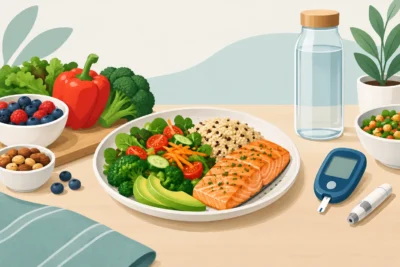
Best Supplements for Insulin Sensitivity


If your blood sugar feels harder to control than it should be, the question usually is not just what medication to take. It is also whether your body is responding properly to insulin in the first place. That is why so many people look into supplements for insulin sensitivity - not as a magic fix, but as one piece of a bigger plan to help the body use glucose more effectively.
This matters because insulin resistance often builds quietly. You may notice stubborn belly fat, energy crashes after meals, rising fasting glucose, stronger sugar cravings, or an A1C that keeps drifting up even when you are trying to eat better. The good news is that insulin sensitivity can improve, and the best results usually come from stacking the basics: better food choices, more movement, better sleep, weight loss when needed, and carefully chosen supplements that support those efforts.
What you\'ll find in this article?
- What insulin sensitivity really means
- Supplements for insulin sensitivity that get the most attention
- How to choose the right supplement for your situation
- How to use supplements for insulin sensitivity safely
- What actually improves insulin sensitivity the most
- When you should talk to your doctor first
What insulin sensitivity really means
Insulin sensitivity is simply how well your cells respond to insulin. When sensitivity is good, your body needs less insulin to move sugar from the bloodstream into your cells. When sensitivity drops, the pancreas has to produce more and more insulin just to keep blood sugar in range.
Over time, that pattern can push you toward prediabetes, Type 2 diabetes, weight gain, and more inflammation. It is also why some people feel like they are doing everything right but still seeing disappointing numbers. The body is working harder than it should.
Supplements can sometimes help, but they work best when they match the real problem. If poor sleep, chronic stress, inactivity, or a high-carb processed diet are driving insulin resistance, no capsule is going to fully cancel that out. A supplement should support your routine, not replace it.

Supplements for insulin sensitivity that get the most attention
Some supplements have more evidence behind them than others. That does not mean they work the same for everyone. Your medications, kidney function, digestion, and blood sugar patterns all matter.
Magnesium
Magnesium is one of the most useful places to start, especially if your diet is low in leafy greens, nuts, seeds, beans, and whole foods. Low magnesium levels are common in people with blood sugar issues, and magnesium plays a role in insulin signaling.
Some people notice better fasting blood sugar, fewer muscle cramps, better sleep, and improved energy when they correct a deficiency. Magnesium glycinate and magnesium citrate are common forms, although citrate can loosen stools more than glycinate. If you have kidney disease, this is one to clear with your doctor first.
Berberine
Berberine is one of the most talked-about natural compounds for metabolic health, and for good reason. It has been studied for blood sugar support and may help with insulin sensitivity, fasting glucose, and triglycerides.
That said, it is not mild for everyone. Berberine can cause digestive side effects like cramping, constipation, or nausea, and it may interact with medications. If you are already taking blood sugar medication, using berberine without supervision can increase the risk of glucose dropping too low. It may be effective, but it deserves respect.

Alpha-lipoic acid
Alpha-lipoic acid is an antioxidant often used in discussions around blood sugar control and nerve health. It may help the body handle glucose more efficiently and is sometimes considered by people who also have tingling, burning, or numbness linked to diabetic nerve discomfort.
It is not a cure-all, and results vary. Still, for some people it makes sense because it may support both insulin sensitivity and oxidative stress, which tends to run high in diabetes and prediabetes.
Chromium
Chromium has been marketed for blood sugar support for years. It may help insulin work better in some people, especially those who are low in chromium or eating a highly processed diet.
The catch is that the results are mixed. Some people see improvement, while others notice very little. Chromium is usually not the strongest option on its own, but it may be part of a broader strategy if your diet has been poor for a long time.
Cinnamon
Cinnamon is popular because it is familiar, inexpensive, and easy to add to food or take as a supplement. Some research suggests it may help support fasting blood sugar and insulin sensitivity, but the effects are usually modest.
This is where expectations matter. Cinnamon is better viewed as a gentle helper than a major intervention. It can be useful, but it is not likely to overpower a diet built around sugary coffee drinks, bread, and late-night snacks.
Omega-3 fatty acids
Omega-3s are not usually the first supplement people think of for insulin resistance, but they can still matter. They may help lower inflammation and support heart health, which is especially important if you have prediabetes or Type 2 diabetes.
They are more of an indirect support than a direct insulin-sensitivity booster. If your triglycerides are high or your diet is low in fatty fish, omega-3s may be a smart addition.
Probiotics and fiber support
Your gut health can influence blood sugar more than many people realize. Certain probiotic supplements and added soluble fiber may help improve insulin response, reduce blood sugar spikes after meals, and support weight management.
This area is still developing, so it is not as simple as saying one probiotic works for everyone. But if you struggle with constipation, bloating, cravings, or poor meal response, the gut may be part of the picture.
How to choose the right supplement for your situation
The best supplement depends on what is driving your insulin resistance. If your diet is poor and your stress is high, magnesium may be more helpful than something aggressive. If your fasting glucose keeps climbing despite major lifestyle changes, a stronger option like berberine may get more attention. If inflammation, triglycerides, or nerve discomfort are part of the picture, alpha-lipoic acid or omega-3s may make more sense.
This is where people get frustrated. They buy three or four products at once, take them inconsistently, and then have no idea what is helping. A better approach is to pick one change at a time, use it consistently, and track your response.
Watch your fasting blood sugar, post-meal numbers, energy, cravings, sleep, digestion, and weight trend. Those clues tell you far more than marketing claims on a bottle.
How to use supplements for insulin sensitivity safely
Natural does not automatically mean risk-free. Many supplements can affect blood sugar, digestion, blood pressure, or how medications work. That matters even more if you take metformin, insulin, sulfonylureas, or medication for blood pressure.
Start low when possible. Give your body time to adjust. Avoid mixing several blood-sugar-lowering supplements all at once. And if your glucose is already running low, be extra careful.
Quality also matters. A cheap product with vague labeling is not the same as a well-made supplement that lists clear ingredients and dosages. Look for products that are transparent and simple rather than loaded with flashy extras.
What actually improves insulin sensitivity the most
Here is the honest answer: supplements can help, but daily habits move the needle more. Even the best supplements for insulin sensitivity tend to work better when you walk after meals, eat enough protein, cut back on refined carbs, improve sleep, and lose excess weight.
A ten-minute walk after eating can lower post-meal blood sugar in a very real way. Building meals around protein, non-starchy vegetables, healthy fats, and smart carb portions often does more than people expect. Strength training helps muscles absorb glucose better. Sleep helps regulate hunger hormones and insulin response. None of that is glamorous, but it works.
That is also why some supplements seem disappointing. The product was never the problem. The foundation was missing.
When you should talk to your doctor first
If you have diagnosed diabetes, take glucose-lowering medication, have kidney or liver disease, are pregnant, or have frequent low blood sugar, get medical guidance before starting anything new. The same goes for people planning surgery or taking multiple prescriptions.
This is not about being overly cautious. It is about using every tool wisely. The goal is better blood sugar control without unwanted surprises.
If you want a practical place to begin, focus on the basics first: tighten up breakfast, walk after dinner, improve sleep, and choose one supplement that fits your needs instead of five that promise everything. Real progress with insulin sensitivity usually comes from steady action, not dramatic shortcuts.
Important notice: The content of Diabetes Cure Now is solely educational and informational and does not replace the evaluation, diagnosis, or treatment of a doctor or health professional. Before making changes to your diet, exercise, or medication, consult with a qualified professional..
Content reviewed for educational purposes and based on public medical sources.
Sources consulted
- American Diabetes Association (ADA)
- Mayo Clinic
- CDC
- NIH
12 Diabetic Recipes That Keep Meals Balanced
Diabetic Kidney Health Guide for Daily Protection

How to Start Walking With Diabetes Safely

10 Healthy Soups for Diabetics That Satisfy
Do Chia Seeds for Blood Sugar Really Help?

How to Reduce Dawn Phenomenon Naturally
Is Fruit Safe for Diabetes? What to Know

How to Walk After Meals for Better Blood Sugar