
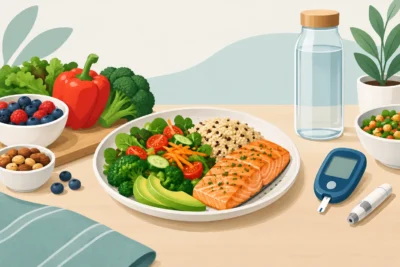
Can Dehydration Raise Blood Sugar?


A blood sugar reading can look confusing when you have not changed your meals, skipped dessert, and still see the number climb. In many cases, the missing piece is water. Yes, can dehydration raise blood sugar is a real and important question, especially for people with prediabetes or Type 2 diabetes who are trying to get steady results from their daily habits.
The short answer is yes. Dehydration can raise blood sugar, and it can also make blood sugar harder to manage. When your body does not have enough fluid, the amount of glucose in your bloodstream becomes more concentrated. At the same time, dehydration can put stress on the body, which may affect hormones and blood sugar control in ways that work against you.
What you\'ll find in this article?
- How dehydration affects blood sugar
- Can dehydration raise blood sugar even if you eat well?
- Why dehydration is more common than people realize
- Signs dehydration may be affecting your numbers
- What happens in people with diabetes or prediabetes
- When dehydration becomes dangerous
- How to lower the risk of dehydration-related blood sugar spikes
- A practical way to test whether hydration is part of the issue
- The bigger picture for natural blood sugar control
How dehydration affects blood sugar
Think of your blood like a highway carrying nutrients, hormones, oxygen, and glucose. When you are well hydrated, that system works more smoothly. When you are dehydrated, there is less fluid in the bloodstream. That means sugar becomes more concentrated, which can lead to higher blood sugar readings.
There is also a second layer to this. High blood sugar itself can cause more fluid loss. When glucose rises too high, your kidneys try to remove the extra sugar through urine. That leads to more bathroom trips, and with that comes more water loss. This can create a cycle where dehydration pushes blood sugar up, and higher blood sugar makes dehydration worse.
For people already dealing with insulin resistance, this matters even more. Your body is already working harder to move glucose out of the blood and into the cells. Add dehydration to the picture, and it becomes easier for blood sugar to drift in the wrong direction.

Can dehydration raise blood sugar even if you eat well?
Yes, it can. Many people assume every high reading must come from carbohydrates, sugar, or a "bad" meal. Food matters, but it is not the only factor. If you are not drinking enough water, have been sweating heavily, spent time in hot weather, or lost fluids from illness, your blood sugar may rise even when your diet has been fairly consistent.
This is one reason blood sugar patterns should always be looked at in context. A reading is not just about what you ate. It can also reflect sleep, stress, medication timing, activity level, infection, and hydration status.
That is why a sudden unexplained spike does not always mean you failed. Sometimes your body is simply running low on fluid and showing you the result on the meter.
Why dehydration is more common than people realize
Many adults walk around mildly dehydrated and do not notice it right away. Thirst is not always a perfect signal, especially in older adults. Some people drink coffee through the morning, stay busy all day, and realize by late afternoon that they have had almost no water.
Others intentionally drink less because they do not want to use the restroom often, especially at work or while traveling. Some are taking medications that increase urination. Others are eating a lower-carb diet and losing more water in the early phase of weight loss. Even mild fluid loss can affect energy, appetite, and blood sugar trends.

For people with diabetes, this is not a small issue. The body depends on adequate hydration to support circulation, kidney function, and glucose balance. When water intake falls behind, blood sugar management often gets less predictable.
Signs dehydration may be affecting your numbers
The signs are not always dramatic. You may notice dry mouth, darker urine, fatigue, headache, dizziness, or feeling unusually sluggish. Some people also notice stronger cravings, especially for quick carbohydrates, because the body is under stress and energy feels off.
If your blood sugar is higher than usual and you also feel thirsty, worn down, or are urinating more than normal, dehydration may be part of the problem. Hot weather, exercise, diarrhea, vomiting, fever, and alcohol can all make this more likely.
There is some overlap here that can be tricky. High blood sugar can cause thirst and frequent urination, while dehydration can contribute to high blood sugar. That is why it helps to look at the full picture instead of guessing from one symptom alone.
What happens in people with diabetes or prediabetes
If you have prediabetes, mild dehydration can push your system in the wrong direction faster than you might expect. Your body may still be producing insulin, but not using it efficiently. Less fluid in the bloodstream can make blood sugar readings look worse and put more pressure on an already strained metabolic system.
If you have Type 2 diabetes, the effects can be stronger. When blood sugar rises, the kidneys work harder to clear excess glucose. That process pulls water from the body. If you do not replace those fluids, you can become more dehydrated, and your blood sugar may stay elevated longer.
This does not mean every high reading is caused by dehydration. It means hydration is one of the easier factors to overlook, and one of the simplest to improve.
When dehydration becomes dangerous
Mild dehydration is common. Severe dehydration is a medical issue. If blood sugar is very high and you cannot keep fluids down, feel confused, have rapid breathing, severe weakness, or signs of serious illness, do not try to manage that on your own.
Very high blood sugar combined with dehydration can become dangerous quickly, especially in older adults and people with diabetes. If symptoms feel intense or unusual, seek medical care right away.
This article is not a diagnosis. It is practical education to help you recognize a common blood sugar trigger before it turns into a bigger problem.
The first step is simple but powerful: drink water consistently through the day, not just when you feel parched. For most people, that means building a routine. Have water when you wake up, with meals, between meals, and after activity.
Plain water is usually the best place to start. If you sweat heavily or are out in the heat for long periods, you may also need to replace electrolytes, but be careful with sugary drinks. Many sports drinks contain more sugar than people realize, which can work against your blood sugar goals.
You can also support hydration through food. Cucumbers, berries, lettuce, celery, zucchini, broth-based soups, and other water-rich foods can help. This fits well with a natural-first approach because you are improving hydration without adding a lot of calories or sugar.
Pay attention during higher-risk situations. Travel days, hot weather, exercise, illness, and poor sleep can all increase fluid needs. If your readings tend to run higher on those days, hydration deserves a closer look.
It also helps to watch urine color. Pale yellow usually suggests better hydration than dark yellow or amber. It is not a perfect test, but it is a useful habit.
A practical way to test whether hydration is part of the issue
If your blood sugar is mildly elevated and you suspect dehydration, drink water steadily over the next few hours and monitor how you feel. If your healthcare provider has recommended home glucose testing, check your numbers as you normally would and look for patterns over time.
Do not use this as a substitute for proper care, especially if your blood sugar is very high or you feel sick. But as part of daily self-management, this can help you see whether low fluid intake may be contributing.
This is where consistency beats perfection. You do not need a complicated hydration formula. You need awareness, regular intake, and a willingness to notice what your body is telling you.
The bigger picture for natural blood sugar control
If you want better blood sugar naturally, hydration should sit alongside food quality, movement, sleep, and weight management. It is not the only answer, and it will not cancel out a high-sugar diet or chronic inactivity. But it does matter.
That is the trade-off people often miss. Hydration alone will not solve insulin resistance, but poor hydration can make blood sugar control noticeably harder. When you are trying to improve your numbers, those smaller daily habits can add up faster than you think.
At Diabetes Cure Now, we believe simple actions done consistently can change the direction of your health. Drinking enough water may sound basic, but basic habits are often where real progress starts.
If your blood sugar has been harder to predict lately, do not just look at your plate. Look at your water, your routine, and the signals your body is giving you. Sometimes the next improvement starts with a full glass, not a major overhaul.
Important notice: The content of Diabetes Cure Now is solely educational and informational and does not replace the evaluation, diagnosis, or treatment of a doctor or health professional. Before making changes to your diet, exercise, or medication, consult with a qualified professional..
Content reviewed for educational purposes and based on public medical sources.
Sources consulted
- American Diabetes Association (ADA)
- Mayo Clinic
- CDC
- NIH
12 Diabetic Recipes That Keep Meals Balanced
Diabetic Kidney Health Guide for Daily Protection

How to Start Walking With Diabetes Safely

10 Healthy Soups for Diabetics That Satisfy
Do Chia Seeds for Blood Sugar Really Help?

How to Reduce Dawn Phenomenon Naturally
Is Fruit Safe for Diabetes? What to Know

How to Walk After Meals for Better Blood Sugar