
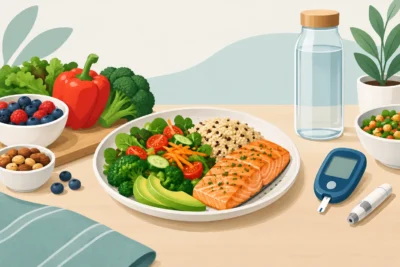
Cinnamon Supplement Review for Blood Sugar


If you are staring at a bottle of cinnamon capsules and wondering whether it can actually help your glucose numbers, this cinnamon supplement review blood sugar guide is for you. Cinnamon gets a lot of attention because it feels simple, natural, and familiar. But when your health is on the line, familiar is not the same as effective.
For many people with prediabetes or Type 2 diabetes, the real question is not whether cinnamon is healthy in a general sense. The real question is whether a cinnamon supplement can make a meaningful difference in fasting blood sugar, A1C, insulin sensitivity, or post-meal spikes. The honest answer is that it may help some people a little, but it is not a stand-alone fix.
What you\'ll find in this article?
- Cinnamon supplement review blood sugar - does it work?
- What cinnamon may actually do for blood sugar
- Which type of cinnamon supplement is best?
- How much cinnamon do studies usually use?
- Who may benefit the most?
- Who should be careful with cinnamon supplements?
- What to look for in a cinnamon supplement review blood sugar product
- What kind of results should you realistically expect?
- The bottom line on cinnamon and blood sugar
Cinnamon supplement review blood sugar - does it work?
The short version is this: research on cinnamon and blood sugar is mixed. Some studies show modest improvements in fasting glucose and insulin sensitivity, while others show little or no benefit. That can feel frustrating, but there is a reason for the confusion.
Not all cinnamon supplements are the same. Studies use different forms, different doses, different lengths of time, and different groups of people. Someone with early insulin resistance may respond differently than someone with long-standing Type 2 diabetes taking multiple medications. That matters.
There is also a gap between statistical improvement and real-life impact. A small drop in fasting blood sugar might be encouraging, but it may not be enough to change your bigger picture unless it is paired with weight loss, better sleep, regular movement, and a lower-carb or blood-sugar-aware eating pattern.

So yes, cinnamon may offer support. No, it should not be treated like a shortcut.
What cinnamon may actually do for blood sugar
Cinnamon is believed to contain plant compounds that may improve how the body responds to insulin. In plain English, that means it might help your cells use glucose more effectively instead of letting too much sugar stay in the bloodstream.
Some research suggests cinnamon may slow stomach emptying and slightly reduce the rise in blood sugar after meals. Other studies point to possible effects on fasting glucose. The potential benefits tend to be modest rather than dramatic, which is why cinnamon fits better into a support strategy than a primary strategy.
That may still be useful. If you are already cleaning up your diet, walking after meals, and working on weight control, even a small edge can be worth considering. But if your current routine includes high-sugar snacks, little exercise, and poor sleep, cinnamon is unlikely to overcome those bigger drivers of insulin resistance.
Which type of cinnamon supplement is best?
This is one of the most important parts of any cinnamon supplement review for blood sugar because the label can be misleading. The two main types you will see are Cassia cinnamon and Ceylon cinnamon.

Cassia is more common and usually less expensive. It is also higher in coumarin, a natural compound that can be hard on the liver in high amounts or with long-term use. Ceylon cinnamon is often called true cinnamon and contains much less coumarin, which makes it a better fit for people who plan to use cinnamon regularly.
That does not automatically mean every Ceylon supplement is high quality. Some products do not clearly state the source, the standardization, or the actual amount of active compounds. A supplement that simply says cinnamon bark powder may be too vague for a smart buyer.
Look for products that clearly identify the cinnamon type, provide a realistic serving size, and avoid unnecessary filler ingredients. Third-party testing is a plus because supplement quality can vary more than most people realize.
How much cinnamon do studies usually use?
Many studies on blood sugar use daily amounts ranging from about 500 mg to 2,000 mg, though formulas vary. That sounds straightforward, but dose alone does not tell the whole story. The form matters, the extract strength matters, and consistency matters.
More is not always better. This is especially true with Cassia cinnamon because higher intake can increase coumarin exposure. If someone is taking a cinnamon supplement every day for months, safety should matter just as much as potential blood sugar benefits.
A practical approach is to start low, watch your blood sugar response, and avoid treating cinnamon like a megadose solution. If you already use glucose monitoring, this is where your own data becomes more useful than marketing claims.
Who may benefit the most?
Cinnamon is more likely to be helpful for people with mild to moderate insulin resistance, prediabetes, or early Type 2 diabetes who are also making lifestyle changes. It may have more value as part of a broader plan than as a rescue move after years of uncontrolled blood sugar.
It may also appeal to people who want a natural-first option to support healthy habits. That fits the mindset of many readers at Diabetes Cure Now. You want tools that work with your body, not another promise that falls apart after two weeks.
Still, there are limits. If your blood sugar is severely elevated, your A1C is high, or you are having symptoms of poorly controlled diabetes, cinnamon should not delay medical care. Natural support works best when it is used responsibly and combined with clear action.
Who should be careful with cinnamon supplements?
This part matters more than many supplement reviews admit. Cinnamon is not risk-free just because it is natural.
If you take diabetes medication or insulin, cinnamon could add to the blood-sugar-lowering effect and increase the risk of hypoglycemia in some cases. If you take blood thinners, have liver disease, or are sensitive to certain herbs and spices, you should be especially careful. Pregnant or breastfeeding women should also get individualized guidance before using concentrated supplements.
If you have ever had unusual reactions to supplements, start with caution. And if a product promises to replace your treatment plan, that is not a good sign. Honest products do not need miracle language.
What to look for in a cinnamon supplement review blood sugar product
A useful review should focus on more than hype. First, check the cinnamon type. Ceylon is usually the safer long-term choice. Second, look at the dose per serving and whether the label tells you enough to understand what you are taking.
Third, pay attention to manufacturing quality. Products made in certified facilities and verified by third-party testing deserve more trust than mystery formulas with flashy claims. Fourth, read the ingredient panel carefully. Some blends include chromium, berberine, alpha-lipoic acid, or other blood sugar support ingredients. That is not always bad, but it makes it harder to know what is actually helping.
If your goal is to test cinnamon itself, choose a simpler formula first. If your goal is broader support and you tolerate mixed formulas well, a combination product may make sense. It depends on whether you want clarity or convenience.
What kind of results should you realistically expect?
The best mindset is measured optimism. You may see a small improvement in fasting blood sugar or slightly smoother post-meal readings over several weeks. You may also see no clear change at all.
That does not mean cinnamon is useless. It means supplements are not one-size-fits-all. Your sleep, carb intake, meal timing, stress level, activity, and body weight often influence blood sugar far more than one capsule can.
This is why tracking matters. If you try cinnamon, give it a fair window, keep the rest of your routine stable, and watch for changes in fasting glucose, post-meal numbers, and how you feel. Without that feedback, it is easy to spend money on a supplement that is not doing much.
The bottom line on cinnamon and blood sugar
Cinnamon supplements are not a scam, but they are often oversold. The evidence suggests possible modest benefits for some people, especially when paired with better eating habits, movement, and weight management. The safest long-term choice is usually a quality Ceylon product, used at a reasonable dose with attention to medication interactions and liver safety.
If you decide to try cinnamon, think of it as a supporting player. The real power still comes from what you do every day - what you eat, how often you move, how well you sleep, and how steadily you stick with the basics. That is where blood sugar control starts to turn in your favor.
Important notice: The content of Diabetes Cure Now is solely educational and informational and does not replace the evaluation, diagnosis, or treatment of a doctor or health professional. Before making changes to your diet, exercise, or medication, consult with a qualified professional..
Content reviewed for educational purposes and based on public medical sources.
Sources consulted
- American Diabetes Association (ADA)
- Mayo Clinic
- CDC
- NIH
12 Diabetic Recipes That Keep Meals Balanced
Diabetic Kidney Health Guide for Daily Protection

How to Start Walking With Diabetes Safely
10 Healthy Soups for Diabetics That Satisfy
Do Chia Seeds for Blood Sugar Really Help?

How to Reduce Dawn Phenomenon Naturally
Is Fruit Safe for Diabetes? What to Know
How to Walk After Meals for Better Blood Sugar