
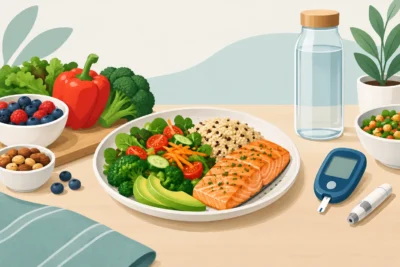
12 Foods for Stable Glucose Levels


A bowl of plain oatmeal can raise blood sugar very differently than a bowl of oats topped with chia seeds, walnuts, and Greek yogurt. That difference matters if you are trying to calm cravings, avoid energy crashes, and improve insulin response. The right foods for stable glucose levels do not need to be fancy, expensive, or hard to find. They need to slow digestion, support fullness, and help your body handle carbohydrates with less drama.
If you are dealing with prediabetes, Type 2 diabetes, or stubborn blood sugar swings, food choices can move the needle fast. Not every healthy food works the same way for glucose control, and not every carb needs to be feared. The goal is to build meals that digest steadily, keep you satisfied, and make better numbers more realistic over time.
What you\'ll find in this article?
What makes foods good for glucose stability?
Foods that support steadier blood sugar usually have one or more of three traits: fiber, protein, or healthy fat. Fiber slows the absorption of sugar into the bloodstream. Protein helps reduce the speed of digestion and can make meals more satisfying, which lowers the urge to snack on quick carbs later. Healthy fats do something similar, though portion size still matters if weight loss is part of your plan.
Another factor is how processed the food is. A whole apple acts differently than apple juice. Steel-cut oats act differently than sugary instant oatmeal. A baked sweet potato affects blood sugar differently than a pile of fries. The more a food is stripped down and refined, the easier it is to absorb quickly.
This is where many people get frustrated. They think they need to cut everything they enjoy. Usually, a better strategy is to change the form, portion, and pairing of the food. That gives you more flexibility and a better chance of sticking with it.

12 foods for stable glucose levels
1. Eggs
Eggs are one of the simplest blood sugar-friendly foods because they are rich in protein and very low in carbs. They can help keep breakfast from turning into a blood sugar roller coaster, especially if you usually start the day with cereal, toast, or pastries.
They also pair well with vegetables like spinach, mushrooms, and peppers, which adds fiber and volume without adding many digestible carbs.
2. Greek yogurt
Plain Greek yogurt gives you protein with fewer carbs than many flavored yogurts. That makes it useful for breakfast, snacks, or even a quick lunch when topped with nuts and berries.
The trade-off is that many yogurt products marketed as healthy are loaded with added sugar. Read the label, and choose plain whenever possible. If you need more flavor, add cinnamon or a small amount of fruit yourself.
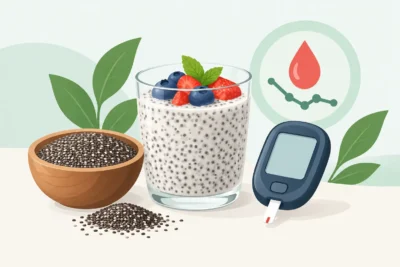
3. Chia seeds
Chia seeds are small, but they do a lot of work. They are packed with fiber and absorb liquid, which slows digestion and can help reduce the glucose spike from a meal.

You can stir them into yogurt, blend them into a smoothie, or add them to oatmeal. They are especially useful when you want to make a carb-heavy meal behave better.
4. Lentils
Lentils are one of the best carbohydrate foods for blood sugar control because they bring fiber and plant protein together. That combination helps them digest more slowly than many common starches.
They can work in soups, salads, or as a side instead of white rice. If you are used to eating a lot of bread or pasta, lentils can be a smart replacement that still feels filling.
5. Beans
Black beans, kidney beans, chickpeas, and pinto beans all deserve a place on this list. Like lentils, they offer a mix of fiber and protein that supports slower digestion and better satiety.
Some people notice gas or bloating when they increase beans too quickly. If that happens, start with smaller portions and increase gradually. The payoff can be worth it.
6. Nonstarchy vegetables
Leafy greens, broccoli, cauliflower, zucchini, green beans, cucumbers, and peppers are hard to beat. They are low in calories and carbs, high in volume, and rich in nutrients that support overall metabolic health.
These foods do not just help because they are low in sugar. They also help because they take up space on the plate. When half your meal is built around vegetables, it gets easier to control portions of rice, pasta, potatoes, or dessert.
7. Berries
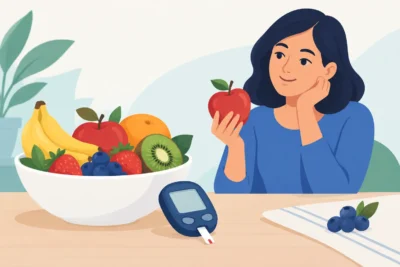
Fruit does contain natural sugar, but berries tend to be one of the better choices for glucose balance. Strawberries, blueberries, raspberries, and blackberries provide fiber and usually cause a gentler rise in blood sugar than fruit juice, dried fruit, or large servings of tropical fruit.
Portion still matters. A small bowl with protein, like yogurt or cottage cheese, usually works better than eating multiple cups by themselves.
8. Nuts
Almonds, walnuts, pistachios, and pecans provide healthy fats, some protein, and crunch that can make lower-sugar eating feel less restrictive. They can also blunt the effect of a meal when eaten alongside fruit or whole grains.
The catch is calories. Nuts are healthy, but handfuls can turn into several servings fast. If weight loss is one of your main goals, be mindful without avoiding them.
9. Avocados
Avocados are naturally low in sugar and rich in healthy fat and fiber. They can help meals feel satisfying, which matters because constant hunger often leads to overeating the foods that spike blood sugar the most.
Add avocado to eggs, salads, wraps, or grain bowls. It is not magic, but it is a strong swap for spreads and sides built around refined carbs.
10. Oats
Oats can be helpful, but this is a good example of why details matter. Plain rolled oats or steel-cut oats are very different from flavored instant packets. The plain versions contain fiber and can fit well into a blood sugar-friendly plan, especially when combined with protein and fat.
If oatmeal makes your numbers jump, the answer may not be to give it up completely. You may need a smaller portion, a less processed type of oat, or better toppings.
11. Fish
Salmon, sardines, tuna, and other fish support stable blood sugar because they provide protein without carbs. Fatty fish also offers omega-3 fats, which support heart health - an important issue for people with diabetes or insulin resistance.
Fish works well as the protein anchor of a meal, especially when paired with vegetables and a moderate serving of whole-food carbs.
12. Sweet potatoes
Sweet potatoes are still a carbohydrate, so they can raise blood sugar. But compared with highly processed starches, they bring more fiber, more nutrients, and often better satiety.
Preparation matters. A baked sweet potato is a better choice than sweet potato fries or sugary casseroles. Portion also matters, especially if the rest of the plate already includes bread, rice, or dessert.
How to build meals with foods for stable glucose levels
The smartest approach is not to search for one miracle ingredient. It is to combine foods in a way that slows the whole meal down. Start with protein, add nonstarchy vegetables, include a reasonable portion of quality carbs, and use healthy fats to round it out.
For breakfast, that might mean eggs with vegetables and half an avocado, or plain Greek yogurt with berries and chia seeds. For lunch, it could be grilled chicken over a large salad with beans and olive oil. For dinner, think salmon, roasted broccoli, and a small baked sweet potato.
This style of eating often works better than counting every gram obsessively. It gives you structure without making meals miserable.
Foods that sound healthy but may spike blood sugar
This is where people can get blindsided. Smoothies, granola, flavored yogurt, fruit juice, agave-heavy snack bars, and whole grain breads can all look healthy while still pushing glucose up quickly.
That does not mean these foods are bad for everyone. It means context matters. A banana in a smoothie with protein powder, nut butter, and chia seeds is different from a giant fruit smoothie made mostly of juice. Whole grain toast with eggs is different from toast with jam alone.
If you use a glucose meter, this is the moment to pay attention. Your body’s response can teach you more than a marketing label ever will.
A few real-world tips that make these foods work better
Meal timing matters more than many people realize. Going all day on coffee and then eating a huge carb-heavy dinner can create bigger swings than eating balanced meals earlier. Eating too little protein can also backfire by leaving you hungry and chasing snacks.
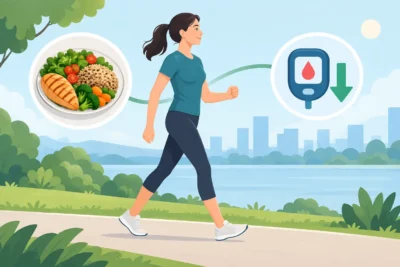
Walking after meals can make a noticeable difference. So can improving sleep, reducing liquid sugar, and watching late-night grazing. At Diabetes Cure Now, the big message is simple: the right foods help most when they are part of a repeatable lifestyle, not a short-term fix.
You do not need a perfect menu to start improving your numbers. Pick two or three of these foods, use them consistently this week, and let your meals get steadier one choice at a time.
Important notice: The content of Diabetes Cure Now is solely educational and informational and does not replace the evaluation, diagnosis, or treatment of a doctor or health professional. Before making changes to your diet, exercise, or medication, consult with a qualified professional..
Content reviewed for educational purposes and based on public medical sources.
Sources consulted
- American Diabetes Association (ADA)
- Mayo Clinic
- CDC
- NIH
12 Diabetic Recipes That Keep Meals Balanced
Diabetic Kidney Health Guide for Daily Protection

How to Start Walking With Diabetes Safely
10 Healthy Soups for Diabetics That Satisfy
Do Chia Seeds for Blood Sugar Really Help?

How to Reduce Dawn Phenomenon Naturally
Is Fruit Safe for Diabetes? What to Know
How to Walk After Meals for Better Blood Sugar