
How to Curb Sugar Cravings Naturally


That late-night pull toward cookies, ice cream, or candy usually is not about weak willpower. If you are trying to figure out how to curb sugar cravings, the real issue is often unstable blood sugar, skipped meals, poor sleep, stress, or habits that keep your appetite on edge. For people with prediabetes, Type 2 diabetes, or stubborn weight gain, those cravings can feel even stronger because your body is already struggling to manage glucose well.
The good news is that cravings usually respond when you fix the pattern behind them. You do not need a perfect diet. You need steadier meals, better timing, and a plan that makes sugary foods less tempting in the first place.
What you\'ll find in this article?
- Why sugar cravings hit so hard
- How to curb sugar cravings by stabilizing blood sugar
- Use smarter substitutions, not pure restriction
- How to curb sugar cravings when stress is the trigger
- Sleep is a bigger factor than most people realize
- Keep high-sugar foods less convenient
- Move after meals to reduce the craving cycle
- When cravings may signal something deeper
Why sugar cravings hit so hard
Sugar gives fast energy, and your brain remembers that. When blood sugar drops after a high-carb meal, your body looks for another quick source of fuel. That is one reason cravings often show up a couple of hours after cereal, pastries, white bread, sweet coffee drinks, or takeout meals loaded with refined carbs.
Insulin resistance can make this cycle worse. When your cells do not respond well to insulin, blood sugar control becomes less stable. You may feel tired, hungry, foggy, or irritable, then reach for sweets for relief. It feels like a lack of discipline, but it is often a metabolic signal.
Stress also matters. High stress raises cortisol, and cortisol can increase appetite for quick comfort foods. Add poor sleep, and the body pushes even harder for sugar because it wants easy energy. This is why cravings are often strongest after a rough night, a long workday, or emotional strain.

How to curb sugar cravings by stabilizing blood sugar
If you want fewer cravings, start with your meals. The fastest way to reduce the urge for sweets is to avoid the blood sugar spikes and crashes that trigger them.
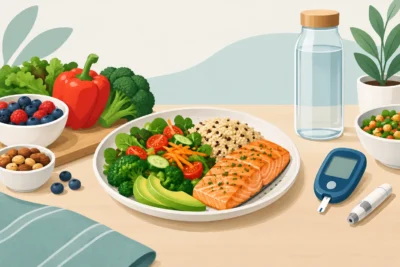
Build meals around protein, fiber, and healthy fats. Eggs with vegetables, Greek yogurt with chia seeds, chicken and salad with olive oil, or salmon with roasted non-starchy vegetables are simple examples. These foods digest more slowly and help you stay full longer than toast, juice, or snack bars that look healthy but act like sugar in the body.
Meal timing matters too. Many people do well when they stop skipping breakfast and stop going too long without eating. If you wait until you are starving, cravings become much harder to control. That does not mean you need to graze all day. It means your meals should be steady enough that you are not constantly playing catch-up.
A helpful rule is to ask whether your last meal had enough protein and fiber. If the answer is no, your craving may be more physical than emotional.
Start your day with a better first meal
A sugary breakfast can set the tone for the entire day. Muffins, flavored oatmeal, sweet coffee drinks, pancakes, and many boxed cereals create a fast rise in glucose followed by an energy drop. That drop often leads to more snacking by late morning.

A higher-protein breakfast gives you a much better shot at controlling appetite. Think eggs, cottage cheese, plain Greek yogurt, turkey sausage, or a smoothie built around protein and low-sugar ingredients. For many people, this one change reduces afternoon cravings more than anything else.
Watch liquid sugar
Sweet drinks are one of the easiest ways to keep cravings alive. Soda, sweet tea, flavored creamers, energy drinks, and even fruit juice can spike blood sugar quickly without making you feel full. Then hunger returns soon after.
If you regularly drink your sugar, cutting back can have a big effect within days. Try water, sparkling water, unsweetened tea, or coffee with less added sweetener. You do not have to make it perfect on day one. Even reducing the amount helps.
Use smarter substitutions, not pure restriction
Trying to white-knuckle every craving often backfires. When people tell themselves they can never have anything sweet again, they tend to crave it even more. A better strategy is to lower the intensity of the habit while still giving yourself options.
If you want something sweet after dinner, try plain Greek yogurt with cinnamon and a few berries instead of ice cream. If chocolate is your weak spot, a small portion of dark chocolate may work better than a full candy bar. If you crave baked goods, pairing a smaller treat with a protein-rich meal is usually easier on blood sugar than eating it alone.
This is where progress beats perfection. For some readers, fruit will satisfy a craving. For others, fruit alone may spike hunger again, especially if eaten by itself. In that case, pairing apple slices with nut butter or berries with cottage cheese may work better. It depends on your blood sugar response, your portion size, and the rest of your day.
How to curb sugar cravings when stress is the trigger
Not every craving comes from hunger. Some come from pressure, boredom, loneliness, or exhaustion. If you always want sweets at the same time each evening, pause before eating and ask one question: am I physically hungry, or do I want relief?
That pause matters because the solution changes. If you are hungry, eat a balanced snack. If you are stressed, sugar may only help for a few minutes before the cycle starts again.
A short walk, a glass of water, five slow breaths, or getting out of the kitchen can interrupt the urge. This sounds simple, but it works because cravings often peak and fade within a short window. You do not need to overpower the feeling forever. You just need to get through the strongest few minutes without automatically feeding it.
If evenings are your danger zone, create a routine that makes sugar less central. Herbal tea, a protein-based snack, stretching, reading, or prepping tomorrow's breakfast can shift the pattern.
Sleep is a bigger factor than most people realize
When you are underslept, hunger hormones become harder to manage. Cravings rise, energy drops, and decision-making gets worse. That is why people often want sugary foods the day after poor sleep, even if they were doing well before.
You do not need a perfect sleep schedule to see improvement. Going to bed a bit earlier, cutting late caffeine, lowering evening screen time, and keeping your room cooler and darker can all help. Better sleep supports better food choices, and better food choices support better blood sugar. The two work together.
Keep high-sugar foods less convenient
Environment often beats motivation. If candy, cookies, and sugary cereal are always visible and easy to grab, cravings turn into action faster. If healthier options are ready first, you are much more likely to make a better choice.
That may mean keeping sweets out of sight, buying smaller portions instead of family-size packages, or not bringing trigger foods into the house for a while. It may also mean preparing easy backups like boiled eggs, cut vegetables, nuts, plain yogurt, or leftovers you can reheat quickly.
This is not about being extreme. It is about making your best choice easier when you are tired or stressed.
Move after meals to reduce the craving cycle
A short walk after eating can help lower the blood sugar rise from a meal. That means less of a crash later and often fewer cravings. You do not need a hard workout. Even 10 to 15 minutes of walking after lunch or dinner can make a real difference.
Resistance training helps too because muscle uses glucose more effectively. Over time, better insulin sensitivity can make cravings feel less intense and less frequent. This is one reason lifestyle change is so powerful. You are not just resisting sugar. You are changing the conditions that make your body ask for it.
When cravings may signal something deeper
Sometimes intense cravings are a sign that your overall plan needs work. Very low-calorie diets, highly restrictive eating, and meals that are too low in protein can all increase rebound hunger. Certain medications, hormone shifts, and long periods of stress can also play a role.
If cravings feel constant, your energy is crashing often, or your blood sugar is regularly high or swinging up and down, it may be time to look more closely at your routine. Tracking meals, symptoms, and glucose patterns for a week can reveal triggers you have been missing. For readers focused on natural metabolic improvement, that kind of awareness is often where real control starts.
At Diabetes Cure Now, we believe cravings are not a personal failure. They are feedback. When you answer that feedback with steadier meals, better sleep, less liquid sugar, and more movement, the urge for sweets usually loses a lot of its power.
You do not have to win every craving to change your health. Start by interrupting one pattern today, and let that small win build momentum.
Important notice: The content of Diabetes Cure Now is solely educational and informational and does not replace the evaluation, diagnosis, or treatment of a doctor or health professional. Before making changes to your diet, exercise, or medication, consult with a qualified professional..
Content reviewed for educational purposes and based on public medical sources.
Sources consulted
- American Diabetes Association (ADA)
- Mayo Clinic
- CDC
- NIH
12 Diabetic Recipes That Keep Meals Balanced
Diabetic Kidney Health Guide for Daily Protection
How to Start Walking With Diabetes Safely
10 Healthy Soups for Diabetics That Satisfy
Do Chia Seeds for Blood Sugar Really Help?

How to Reduce Dawn Phenomenon Naturally
Is Fruit Safe for Diabetes? What to Know
How to Walk After Meals for Better Blood Sugar