
How to Lower Post Meal Glucose Fast


That blood sugar spike 1 to 2 hours after eating can feel frustrating, especially when you thought you made a decent meal choice. If you are trying to figure out how to lower post meal glucose, the good news is that this part of blood sugar control often responds quickly to a few practical changes.
Post-meal glucose matters because repeated spikes can push A1C higher, increase insulin resistance, and leave you feeling tired, hungry, and discouraged. For many people with prediabetes or Type 2 diabetes, fasting blood sugar gets all the attention, but what happens after meals can tell you just as much about how your body is handling food.
What you\'ll find in this article?
- Why post-meal glucose rises so easily
- How to lower post meal glucose with smarter meals
- Walking after meals works better than most people expect
- Breakfast can set the tone for the whole day
- Portion size still matters, even with healthy food
- Use your meter to learn your personal triggers
- Sleep, stress, and timing make a real difference
- When faster improvement matters most
Why post-meal glucose rises so easily
When you eat carbohydrates, your body breaks them down into glucose. That glucose enters your bloodstream, and insulin helps move it into your cells. If you are insulin resistant, your body may need more insulin and more time to do that job. The result is a higher spike after meals and a slower return to normal.
The size of that spike depends on more than just sugar. Portion size, the type of carbs you eat, how much fiber and protein are in the meal, your stress level, your sleep, and whether you move after eating all play a role. That is why two meals with the same number of carbs can affect your blood sugar very differently.
How to lower post meal glucose with smarter meals
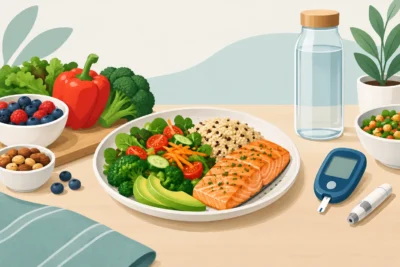
One of the fastest ways to improve after-meal blood sugar is to change the structure of your meals, not just the calorie count. A plate built around refined carbs tends to hit the bloodstream quickly. A plate that includes protein, fiber, and healthy fat slows digestion and usually creates a gentler rise.

Start with the carbohydrates you eat most often. White bread, white rice, sugary drinks, desserts, chips, and large servings of pasta are common drivers of sharp spikes. You do not always need to cut them out completely, but you do need to see them clearly. Many people are eating blood-sugar-spiking foods in portions that would challenge anyone's metabolism.
A better approach is to reduce the carb load and pair carbs with foods that slow absorption. Chicken, fish, eggs, Greek yogurt, cottage cheese, tofu, beans, nuts, seeds, avocado, and nonstarchy vegetables can all help make a meal more stable. Instead of a big bowl of rice, for example, a smaller serving alongside salmon and roasted broccoli is usually a very different experience for your glucose meter.
Fiber deserves special attention here. Vegetables, beans, lentils, chia seeds, flaxseeds, berries, and whole foods with intact structure slow the speed at which glucose enters the bloodstream. This does not mean every whole grain works well for every person. Some people still spike from oatmeal or brown rice. The useful question is not whether a food is healthy in general. It is whether your body handles it well.
Try the meal order trick
There is a simple tactic that helps many people: eat vegetables and protein first, then starches last. This can reduce the speed of digestion and blunt the glucose rise after eating. It is not magic, and it will not cancel out a very high-carb meal, but it can make a noticeable difference.
A practical example looks like this: start with a salad or cooked vegetables, eat your chicken or eggs, and save the potatoes or bread for the end. Small changes like this are easy to test and often easier to stick with than a complete diet overhaul.

Walking after meals works better than most people expect
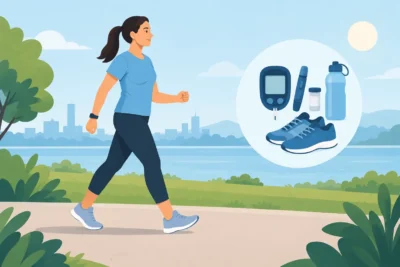
If there is one habit that gives quick results, it is moving after you eat. A 10 to 20 minute walk after a meal helps your muscles use glucose right away, which can lower the post-meal rise. You do not need a gym, special equipment, or a perfect schedule. You just need consistency.
This works especially well after your highest-carb meal of the day. For some people that is dinner. For others it is lunch. If you notice your glucose climbs most after one specific meal, make that the meal you follow with movement.
The walk does not need to be intense. In fact, brisk but comfortable is often enough. If walking is hard on your joints, light cycling, marching in place, gentle stair climbing, or basic housework can still help. The key is to avoid sitting completely still right after eating.
Breakfast can set the tone for the whole day
Many people spike hardest in the morning, even when they eat foods marketed as healthy. Cereal, toast, oatmeal, fruit smoothies, and flavored yogurt can all drive a steep rise if your body is already insulin resistant.
If your numbers are high after breakfast, consider switching to a lower-carb, higher-protein meal for a week and compare your readings. Eggs with vegetables, plain Greek yogurt with chia seeds and berries, or cottage cheese with nuts are simple examples. Some people do fine with a small serving of steel-cut oats paired with protein, while others do much better without grains in the morning. This is where testing helps.
Watch liquid carbs
Drinks can raise blood sugar faster than solid food because they digest quickly and do little to keep you full. Soda, sweet tea, juice, coffee drinks, smoothies, and sports drinks are common causes of surprising spikes. Even drinks that sound natural can pack a heavy sugar load.
Water, sparkling water, unsweetened tea, and black coffee are safer choices for most people. If you do use creamers or add-ins, check how much sugar is actually going in.
Portion size still matters, even with healthy food
A meal can be built from nutritious ingredients and still raise blood sugar too much if the portions are large. Beans, fruit, whole grains, and sweet potatoes may fit into a blood-sugar-friendly plan, but the amount matters.
This is where many people get stuck. They switch from white bread to whole grain bread or from white rice to brown rice and expect a different outcome, but they keep the same portion size. For blood sugar, that may not be enough. Sometimes the biggest improvement comes from cutting the starch portion in half and filling the rest of the plate with protein and vegetables.
Use your meter to learn your personal triggers
If you really want to know how to lower post meal glucose, your blood sugar readings can teach you faster than any general food list. Check before a meal and again about 1 to 2 hours after the first bite. Patterns will show up quickly.
You may learn that rice spikes you more than potatoes, that lunch is easier to control than breakfast, or that even a short walk after dinner changes everything. This kind of feedback is powerful because it replaces guessing with evidence from your own body.
There is some individual variation, so avoid assuming a food is good or bad based only on what works for someone else. What matters most is your response, your consistency, and whether the plan feels sustainable.
Sleep, stress, and timing make a real difference
Food is a big piece of the puzzle, but it is not the whole puzzle. Poor sleep can raise insulin resistance the next day and make your after-meal readings worse. Stress hormones can do the same thing, even if you eat the exact same meal.
Meal timing also matters. Late-night eating often leads to higher readings because the body tends to handle glucose less efficiently at night. If your dinner numbers run high, try eating earlier, reducing carbs at that meal, or adding a walk afterward.
At Diabetes Cure Now, we encourage people to think in systems, not just single foods. Better sleep, calmer meals, smaller starch portions, and a short walk can work together in a way that feels much more manageable than chasing one perfect diet.
When faster improvement matters most
If your post-meal numbers are regularly high, do not wait for motivation to magically appear. Pick one meal and improve it this week. Build it around protein and vegetables, cut back the refined carbs, and walk for 10 minutes afterward. Then test and see what changed.
That kind of action builds momentum. You do not need to be perfect to start lowering blood sugar. You need a pattern that your body can trust and that you can repeat long enough to see the numbers move in the right direction.
If you take diabetes prevention or reversal seriously, this is one of the most practical places to begin. Your next meal is another chance to steady your blood sugar and move your health forward.
Important notice: The content of Diabetes Cure Now is solely educational and informational and does not replace the evaluation, diagnosis, or treatment of a doctor or health professional. Before making changes to your diet, exercise, or medication, consult with a qualified professional..
Content reviewed for educational purposes and based on public medical sources.
Sources consulted
- American Diabetes Association (ADA)
- Mayo Clinic
- CDC
- NIH
12 Diabetic Recipes That Keep Meals Balanced
Diabetic Kidney Health Guide for Daily Protection
How to Start Walking With Diabetes Safely

10 Healthy Soups for Diabetics That Satisfy
Do Chia Seeds for Blood Sugar Really Help?

How to Reduce Dawn Phenomenon Naturally
Is Fruit Safe for Diabetes? What to Know
How to Walk After Meals for Better Blood Sugar