
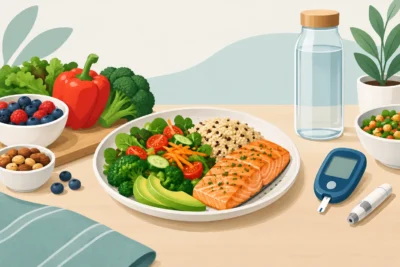
How Walking After Meals Helps Blood Sugar


A short walk after dinner can do more for your blood sugar than many people realize. If you have prediabetes, Type 2 diabetes, or stubborn blood sugar spikes, understanding how walking after meals helps gives you a simple tool you can start using today - no gym, no equipment, and no complicated plan.
For many adults, the hardest part of blood sugar control is not knowing what to do after eating. Meals, even healthy ones, raise glucose. That is normal. The problem starts when those rises are too high, happen too often, or stay elevated for too long. A brief walk after a meal can help your body handle that glucose load more efficiently.
What you\'ll find in this article?
- How walking after meals helps your body use glucose
- Why timing matters after a meal
- Blood sugar benefits that add up over time
- How walking after meals helps digestion and energy
- Can walking after meals help with weight loss?
- The best way to make post-meal walking stick
- Who should be careful?
- A simple routine you can use this week
How walking after meals helps your body use glucose
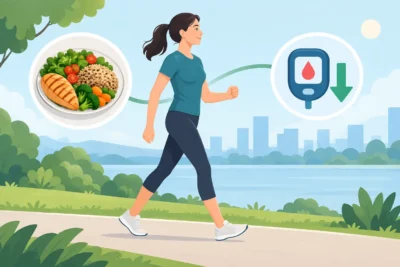
When you walk, your muscles need energy. One of the easiest fuels your body can use is glucose circulating in your bloodstream. That means movement creates an immediate demand for sugar, which can help lower the amount hanging around after a meal.
This matters because after you eat, especially if the meal contains carbohydrates, blood sugar tends to rise. If you stay seated for an hour or two, your body has to rely more heavily on insulin to move glucose into cells. But when you start walking, your muscles can pull in more glucose to support movement. In plain language, your body gets help clearing sugar out of the blood.
For people with insulin resistance, this is especially useful. Insulin resistance means your cells do not respond as well to insulin, so blood sugar can stay elevated longer. Walking does not fix that overnight, but it gives your body another pathway to use glucose. Over time, that can support better day-to-day blood sugar control.

Why timing matters after a meal
A walk at any time is better than no walk at all, but post-meal walking has a special advantage. It lines up with the period when blood sugar is naturally climbing. That is why many people notice the greatest benefit when they walk within about 10 to 30 minutes after finishing a meal.
You do not need a long workout. In fact, one of the best parts of this strategy is how manageable it is. A 10 to 20 minute walk after lunch or dinner may be enough to blunt a blood sugar spike. For some people, even 5 minutes is a good place to start.
The goal is not intensity. You are not trying to turn your meal into a boot camp session. A comfortable pace is usually enough to help. You should be able to talk in full sentences while walking.
Blood sugar benefits that add up over time
The immediate effect of walking after meals is useful, but the long-term effect may matter even more. Consistent post-meal walking can support better glucose patterns across the day and week. That may help reduce the repeated highs that wear down metabolic health over time.
For someone trying to improve A1C, lose weight, or reduce insulin resistance, this kind of consistency matters. Blood sugar control is often shaped by ordinary daily habits, not just major changes. A short walk after eating is one of those habits that can quietly make a real difference.

It may also help you learn something important about your own body. If you use a glucose meter or continuous glucose monitor, you may notice that your readings are lower on days when you walk after meals. That kind of feedback can be motivating because it connects your effort to a measurable result.
How walking after meals helps digestion and energy
Blood sugar is not the only reason this habit is worth keeping. Many people feel heavy, sleepy, or sluggish after a meal, especially after a large lunch or dinner. Gentle walking can help counter that drag.
Part of the benefit comes from circulation and muscle activity. Instead of staying in a seated position while your body tries to manage a big influx of nutrients, you give your system a mild push to keep things moving. Some people also find that a relaxed walk eases bloating or that overly full feeling after eating.
That said, more is not always better. A hard workout right after a heavy meal can feel uncomfortable and may not be the best choice for everyone. If you deal with reflux, stomach discomfort, or mobility limits, a slower pace may be better than a brisk walk. This is one of those areas where it depends on your body and the size of the meal.
Can walking after meals help with weight loss?
It can help, but it is best to think of it as a support habit rather than a magic fix. Walking after meals increases daily movement, burns some calories, and may improve blood sugar control in a way that helps reduce cravings later. Those effects can support weight loss, especially when paired with better food choices and consistent routines.
This matters for diabetes because excess weight, especially around the abdomen, is strongly linked to insulin resistance. If post-meal walking helps you become more active overall and more stable with your energy and appetite, it can contribute to a broader improvement in metabolic health.
Still, expectations should be realistic. A 10 minute walk alone is not likely to cause major weight loss if the rest of your routine stays the same. But done after two or three meals a day, week after week, it can become a meaningful part of a larger plan.
The best way to make post-meal walking stick
The biggest health wins often come from habits that are easy to repeat. That is why walking after meals works so well for many people. It fits into normal life.
Instead of thinking about exercise as a separate event that requires motivation, time, and special clothes, attach movement to something you already do every day. Finish your meal, clear the table, then head outside. Or walk the hallway, the driveway, the block, or even laps around your living room if the weather is bad.
Start small enough that you will actually do it. Ten minutes after dinner is a strong starting point. Once that feels automatic, you can add another walk after lunch. If you are very sedentary now, do not underestimate how powerful this change can be.
At Diabetes Cure Now, the most effective strategies are often the ones people can maintain. A simple walking habit is not flashy, but it is practical, affordable, and easy to repeat when life gets busy.
Who should be careful?
Walking after meals is safe for most people, but some situations call for extra care. If you take insulin or blood sugar-lowering medication, exercise can sometimes contribute to low blood sugar, depending on timing and dose. If that applies to you, monitor your readings and learn how your body responds.
If you have neuropathy, foot pain, balance problems, heart disease, or joint issues, choose a pace and surface that feel safe. Supportive shoes matter. So does common sense. You do not need to push through pain to get results.
And if a meal was especially large, greasy, or uncomfortable, a gentle stroll may feel better than a brisk pace. The goal is to help your body, not stress it.
A simple routine you can use this week
If you want to test how walking after meals helps, keep it easy. Pick one meal you eat most consistently, usually dinner. Walk for 10 to 15 minutes within half an hour of finishing. Do that for seven days.
Pay attention to how you feel. Notice your energy, sleepiness, digestion, and cravings later in the evening. If you track blood sugar, compare your numbers with and without the walk. Then decide whether to keep going or add another post-meal walk during the day.
You do not need perfect conditions or perfect meals to benefit. You just need repetition.
If you have been waiting for a natural step that can support better blood sugar without turning your day upside down, this is one of the best places to begin. Put on your shoes, head out for a few minutes after you eat, and let that small decision start working in your favor.
Important notice: The content of Diabetes Cure Now is solely educational and informational and does not replace the evaluation, diagnosis, or treatment of a doctor or health professional. Before making changes to your diet, exercise, or medication, consult with a qualified professional..
Content reviewed for educational purposes and based on public medical sources.
Sources consulted
- American Diabetes Association (ADA)
- Mayo Clinic
- CDC
- NIH
12 Diabetic Recipes That Keep Meals Balanced
Diabetic Kidney Health Guide for Daily Protection
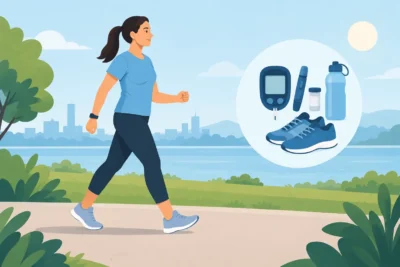
How to Start Walking With Diabetes Safely

10 Healthy Soups for Diabetics That Satisfy
Do Chia Seeds for Blood Sugar Really Help?

How to Reduce Dawn Phenomenon Naturally
Is Fruit Safe for Diabetes? What to Know
How to Walk After Meals for Better Blood Sugar