
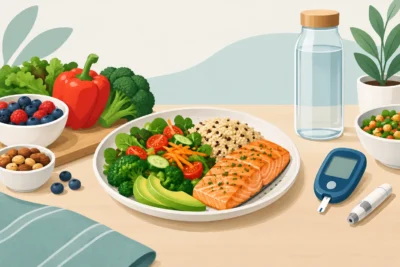
12 Insulin Resistance Meal Ideas


When your energy crashes at 3 p.m., your cravings hit hard after dinner, or your fasting blood sugar keeps creeping up, the problem is often not just how much you eat - it is what your meals are built from. The best insulin resistance meal ideas focus on one simple goal: helping your body handle glucose more smoothly by pairing protein, fiber, and healthy fats in a way that keeps you full and supports steadier blood sugar.
That does not mean eating tiny portions, giving up every carb, or living on salad. In fact, meals that work well for insulin resistance are usually satisfying, balanced, and realistic enough to repeat during a busy week. If you are trying to improve prediabetes, Type 2 diabetes, or stubborn blood sugar swings, the right meal structure can make a noticeable difference.
What you\'ll find in this article?
- What makes a meal better for insulin resistance?
-
12 insulin resistance meal ideas that are easy to use
- 1. Veggie egg scramble with avocado
- 2. Greek yogurt bowl with berries and chia seeds
- 3. Oatmeal with protein added
- 4. Chicken salad lettuce wraps
- 5. Salmon with roasted vegetables
- 6. Turkey taco bowl
- 7. Cottage cheese plate with vegetables and nuts
- 8. Stir-fry with protein and non-starchy vegetables
- 9. Tuna-stuffed avocado
- 10. Burger bowl
- 11. Lentil and vegetable soup with added protein
- 12. Sheet pan chicken thighs with green beans
- How to build your own insulin resistance meals
- A few meal mistakes that can slow progress
- Making these meals easier to stick with
What makes a meal better for insulin resistance?
A helpful meal for insulin resistance usually does three things at once. First, it includes enough protein to slow digestion and support satiety. Second, it brings in fiber from vegetables, beans, berries, or whole-food carbs. Third, it avoids the kind of refined, fast-digesting starches that can send blood sugar up quickly and leave you hungry again soon after.
This is why a bagel by itself tends to work against your goals, while eggs with vegetables and avocado often work better. It is not about perfection. It is about building meals that cause less of a glucose spike and make it easier to stay consistent.
Portion size still matters, but meal composition matters just as much. Some people tolerate small servings of beans, fruit, oats, or sweet potatoes very well, while others need to be more careful. That is where testing, tracking, and paying attention to how you feel can help.

12 insulin resistance meal ideas that are easy to use
These insulin resistance meal ideas are practical enough for real life. You can rotate them for breakfast, lunch, or dinner and adjust portions based on your hunger, activity level, and blood sugar response.
1. Veggie egg scramble with avocado
Eggs give you protein without a blood sugar spike, and non-starchy vegetables add fiber and volume. Scramble eggs with spinach, mushrooms, onions, and bell peppers, then add sliced avocado on the side. If you want more staying power, include a small side of black beans or a piece of sprouted grain toast.
2. Greek yogurt bowl with berries and chia seeds
A plain Greek yogurt bowl can be a strong breakfast or light lunch if you build it carefully. Use unsweetened Greek yogurt, then top it with berries, chia seeds, walnuts, and a sprinkle of cinnamon. This works better than sugary granola parfaits because it gives you more protein and less added sugar.
If dairy does not sit well with you, use an unsweetened high-protein yogurt alternative and watch the label closely.
3. Oatmeal with protein added
Oatmeal can work for insulin resistance, but plain instant oats often leave people hungry fast. A better version uses old-fashioned or steel-cut oats with added protein. Stir in protein powder, cottage cheese, or nut butter, then top with flaxseed and a few berries.

This is a good example of how the same carb food can behave differently depending on what you pair with it.
4. Chicken salad lettuce wraps
For lunch, chicken salad wrapped in romaine or butter lettuce is simple and filling. Mix cooked chicken with olive oil mayo or Greek yogurt, celery, mustard, and herbs. Add cucumber slices or a side salad to bring in more crunch and fiber.
This kind of lunch is especially useful if sandwiches tend to make you sleepy or hungry again too soon.
5. Salmon with roasted vegetables
Salmon is one of the strongest dinner choices for metabolic health because it gives you protein and healthy fats that help with fullness. Pair it with roasted broccoli, cauliflower, Brussels sprouts, or zucchini. If you want a carb on the plate, add a modest serving of quinoa or sweet potato rather than white rice or fries.
6. Turkey taco bowl
A taco bowl lets you keep the flavor while cutting back on the blood sugar hit that often comes with tortillas and chips. Start with seasoned ground turkey, then add shredded lettuce, tomatoes, salsa, avocado, and a scoop of black beans. A little cheese is fine if it helps you stay satisfied.
If you do well with carbs, a small serving of brown rice can fit. If not, use cauliflower rice instead.
7. Cottage cheese plate with vegetables and nuts
This is one of the easiest insulin resistance meal ideas for people who do not want to cook. Pair cottage cheese with sliced cucumbers, cherry tomatoes, a handful of almonds, and maybe a few apple slices. It is not fancy, but it is balanced and fast.
Convenience matters more than people think. If a meal is healthy but too complicated to repeat, it will not help you for long.
8. Stir-fry with protein and non-starchy vegetables
A quick stir-fry can work well as long as the sauce is not loaded with sugar. Use chicken, shrimp, tofu, or beef with broccoli, snow peas, cabbage, mushrooms, and peppers. Cook in olive oil or avocado oil and season with garlic, ginger, and a lower-sugar sauce.
Serve it over cauliflower rice or a half-portion of brown rice depending on your needs and tolerance.
9. Tuna-stuffed avocado
For a light but satisfying lunch, fill avocado halves with tuna mixed with mustard, celery, and a little mayo or olive oil. Add a side of raw vegetables or soup. This kind of meal is lower in carbs but still filling enough to prevent the snack cycle that often follows a weak lunch.
10. Burger bowl
A burger bowl gives you the parts of a burger that help most and skips the refined bun that often pushes the meal in the wrong direction. Use a beef or turkey patty over greens with tomatoes, onions, pickles, and avocado. Add a side of roasted vegetables instead of fries.
This can be a smart restaurant-style meal at home because it feels familiar, not restrictive.
11. Lentil and vegetable soup with added protein
Lentils contain carbs, but they also bring fiber and plant protein, which makes them very different from white bread or crackers. A lentil soup with extra vegetables and some chicken or turkey sausage can be a solid meal, especially in colder months. Pair it with a salad rather than a large piece of bread.
Beans and lentils are not right for everyone in large amounts, but many people do well with moderate servings.
12. Sheet pan chicken thighs with green beans
For a low-effort dinner, roast chicken thighs on a sheet pan with green beans, onions, and cauliflower. Season well with garlic, paprika, lemon, or Italian herbs. This kind of meal works because it is simple enough for weeknights and balanced enough to help with appetite control later in the evening.
How to build your own insulin resistance meals
If you do not want to follow set recipes, use a simple formula. Start with a protein source like eggs, chicken, fish, Greek yogurt, cottage cheese, tofu, turkey, or lean beef. Add plenty of non-starchy vegetables. Then include a healthy fat like avocado, olive oil, nuts, or seeds.
After that, decide whether you need a carb portion. For some people, a small serving of berries, beans, lentils, oats, quinoa, or sweet potato fits well. For others, especially those with high fasting glucose or strong post-meal spikes, lower-carb meals may work better at first.
There is no single carb number that fits everybody. Age, medications, activity level, weight loss goals, sleep, and stress all change your blood sugar response.
A few meal mistakes that can slow progress
One common mistake is eating meals that are too carb-heavy and too low in protein. Cereal, toast, juice, smoothies, and flavored yogurt may look light, but they can drive hunger and blood sugar up quickly. Another issue is snacking all day on processed “healthy” foods that still keep insulin elevated.
Skipping meals can also backfire for some people. It helps some adults lower overall calorie intake, but for others it leads to overeating later. The better approach is the one that helps you stay steady, satisfied, and consistent.
If you monitor your glucose, use your numbers as feedback rather than judgment. A meal that works well for one person may not work as well for another.
Making these meals easier to stick with
Success usually comes from repeating a few dependable meals, not from constantly searching for perfect recipes. Keep simple staples in the house like eggs, canned tuna, Greek yogurt, frozen vegetables, chicken, salad greens, nuts, and berries. Then mix and match.
This is where Diabetes Cure Now readers often see momentum build. When your meals become more predictable, your cravings usually calm down, your energy gets steadier, and healthy choices stop feeling like a daily battle.
You do not need a dramatic diet overhaul by tomorrow. Start with one breakfast, one lunch, and one dinner that you know you can repeat this week, and let those small wins begin changing your blood sugar in the right direction.
Important notice: The content of Diabetes Cure Now is solely educational and informational and does not replace the evaluation, diagnosis, or treatment of a doctor or health professional. Before making changes to your diet, exercise, or medication, consult with a qualified professional..
Content reviewed for educational purposes and based on public medical sources.
Sources consulted
- American Diabetes Association (ADA)
- Mayo Clinic
- CDC
- NIH
12 Diabetic Recipes That Keep Meals Balanced
Diabetic Kidney Health Guide for Daily Protection

How to Start Walking With Diabetes Safely
10 Healthy Soups for Diabetics That Satisfy
Do Chia Seeds for Blood Sugar Really Help?

How to Reduce Dawn Phenomenon Naturally
Is Fruit Safe for Diabetes? What to Know
How to Walk After Meals for Better Blood Sugar