
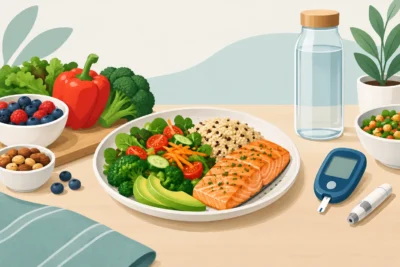
Is Fruit Bad for Diabetics? The Real Answer


A lot of people get told to fear fruit the moment blood sugar becomes a problem. Grapes are called sugar bombs. Bananas get banned. Even apples start to seem suspicious. So, is fruit bad for diabetics? In most cases, no. Whole fruit can absolutely fit into a diabetes-friendly eating plan, but the type of fruit, the portion, and what you eat with it all matter.
That distinction matters because cutting out fruit completely can backfire. Fruit gives you fiber, water, vitamins, minerals, and helpful plant compounds that support overall health. For many people trying to improve Type 2 diabetes or prediabetes naturally, fruit is not the enemy. The bigger issue is usually how much sugar is coming from processed foods, sweet drinks, oversized portions, and frequent snacking on refined carbs.
What you\'ll find in this article?
- Is fruit bad for diabetics or just misunderstood?
- Why whole fruit is usually a better choice
- Best fruits for blood sugar control
- Fruits to be more careful with
- How to eat fruit without spiking blood sugar
- Is fruit bad for diabetics if they want to reverse Type 2 diabetes?
- A simple way to decide what works for you
Is fruit bad for diabetics or just misunderstood?
Fruit contains natural sugar, mainly fructose, glucose, and sucrose. That is true. But whole fruit is not the same as fruit juice, dried fruit, or fruit packed in syrup. When you eat an orange, apple, or handful of berries, you are also getting fiber and water, which slow down how quickly sugar hits your bloodstream.
That is why whole fruit usually affects blood sugar more gently than soda, candy, pastries, or juice. The body does not respond the same way to a fresh peach as it does to a glass of sweetened fruit punch, even if both taste sweet.
People with diabetes often do well when they stop thinking about foods in black-and-white terms. Fruit is not automatically good in unlimited amounts, and it is not automatically bad because it contains sugar. It sits in the middle, where smart choices make a real difference.

Why whole fruit is usually a better choice
Whole fruit can support better eating habits because it is naturally portion-controlled and more filling than many snack foods. A small apple takes longer to eat than a cookie, and it usually leaves you more satisfied. That matters if you are trying to reduce cravings, lose weight, or stabilize blood sugar swings.
Fiber is one of the biggest reasons whole fruit works better than many people expect. Fiber slows digestion and can reduce sharp blood sugar spikes. Berries, apples, pears, and oranges are especially helpful here because they offer a good balance of sweetness and fiber.
Fruit also brings nutrients many Americans do not get enough of, including vitamin C, potassium, and antioxidants. For someone focused on metabolic health, replacing ultra-processed snacks with the right fruit can be a step in the right direction.
Best fruits for blood sugar control
Some fruits are simply easier to fit into a blood sugar-friendly routine. In general, fruits with more fiber and a lower glycemic impact tend to work better.
Berries are often one of the best options. Strawberries, blueberries, raspberries, and blackberries offer fiber and antioxidants with less sugar per serving than many tropical fruits. They are easy to add to plain Greek yogurt, cottage cheese, or a protein smoothie.

Apples and pears are also strong choices, especially when eaten with the skin. They are portable, filling, and usually produce a steadier blood sugar response than sweets or crackers.
Citrus fruits like oranges and grapefruit can work well too. Despite the sweet taste, whole citrus fruit contains fiber and water that help slow absorption. Cherries, peaches, and plums can also fit for many people when portions are reasonable.
That said, the best fruit is not the same for everyone. One person may tolerate half a banana just fine, while another sees a bigger spike. Your meter, your portion size, and your overall meal pattern matter more than internet food rules.
Fruits to be more careful with
This is where context matters. No fruit needs to be labeled forbidden, but some forms of fruit are easier to overeat or more likely to raise blood sugar quickly.
Fruit juice is the big one. Even 100 percent juice can send blood sugar up fast because the fiber has largely been removed. It is very easy to drink the sugar from several oranges in a few minutes and still feel hungry afterward.
Dried fruit is another food that deserves caution. Raisins, dates, dried mango, and dried cranberries are concentrated sources of sugar because the water has been removed. A small handful can contain a lot more carbohydrate than people realize.
Very ripe bananas, pineapple, watermelon, and mango may raise blood sugar faster for some people, especially in large amounts or eaten alone. That does not mean you can never have them. It means they are worth testing in your own routine instead of assuming they are harmless because they are natural.
Fruit canned in heavy syrup is usually the least helpful option. If you buy canned fruit, choose versions packed in water or their own juice and watch the serving size.
How to eat fruit without spiking blood sugar
For many people, fruit works best when it is paired with protein, fat, or both. An apple with peanut butter, berries with Greek yogurt, or a few slices of pear with cottage cheese will usually have a gentler effect than fruit by itself.
Timing can also help. Eating fruit after a balanced meal may lead to a smaller spike than eating it alone on an empty stomach. If breakfast is your most blood sugar-sensitive time of day, a large banana smoothie may not be your best move, even if it seems healthy.
Portion size matters more than people want it to. A serving might be one small apple, a cup of berries, half a large banana, or one small orange. Trouble often starts when a healthy food becomes a free food. Two cups of grapes eaten mindlessly in front of the TV can hit very differently than a measured serving eaten with lunch.
If you monitor your blood sugar at home, use that information. Check how certain fruits affect you one and two hours after eating. That gives you real-world feedback and takes the guesswork out of the process.
Is fruit bad for diabetics if they want to reverse Type 2 diabetes?
If your goal is to improve insulin sensitivity, lose weight, and move toward Type 2 diabetes reversal, fruit can still have a place. The key is to use it strategically, not casually.
For some people early in the process, especially those with very unstable blood sugar, it may help to temporarily emphasize lower-sugar fruits and tighter portions. That can create better control while you reduce processed carbs, sugary drinks, and excess calories. As metabolic health improves, tolerance often improves too.
The bigger picture matters here. A person eating berries, eggs, vegetables, salmon, beans, and nuts is in a very different situation from someone eating fruit on top of cereal, toast, chips, desserts, and sweet coffee drinks. Fruit does not act in isolation. It is part of your total carb load, your activity level, your sleep, your stress, and your weight trend.
That is why a natural-first approach works best when it focuses on patterns. Build meals around protein, nonstarchy vegetables, healthy fats, and smart carbohydrate portions. Then use fruit as a whole-food option within that structure, not as an unlimited snack because it sounds healthy.
A simple way to decide what works for you
If you feel confused about fruit, keep it simple. Choose whole fruit most of the time. Start with lower-sugar, higher-fiber choices like berries, apples, pears, and citrus. Keep portions reasonable. Pair fruit with protein or fat when possible. Be cautious with juice, dried fruit, and oversized servings of sweeter fruits.
Then pay attention to your body. Energy crashes, cravings, hunger soon after eating, and high glucose readings all tell you something. Diabetes Cure Now encourages practical action, and this is one of those areas where small adjustments can produce fast results.
You do not need to fear fruit. You need to stop guessing and start using it wisely. When you make that shift, fruit can go from confusing to useful, and that kind of clarity makes healthy change much easier to stick with.
Important notice: The content of Diabetes Cure Now is solely educational and informational and does not replace the evaluation, diagnosis, or treatment of a doctor or health professional. Before making changes to your diet, exercise, or medication, consult with a qualified professional..
Content reviewed for educational purposes and based on public medical sources.
Sources consulted
- American Diabetes Association (ADA)
- Mayo Clinic
- CDC
- NIH
12 Diabetic Recipes That Keep Meals Balanced

Diabetic Kidney Health Guide for Daily Protection

How to Start Walking With Diabetes Safely

10 Healthy Soups for Diabetics That Satisfy
Do Chia Seeds for Blood Sugar Really Help?

How to Reduce Dawn Phenomenon Naturally
Is Fruit Safe for Diabetes? What to Know

How to Walk After Meals for Better Blood Sugar