
Natural Blood Sugar Support That Works Daily


A fasting glucose result, an A1C number, or that familiar afternoon energy crash can make blood sugar feel like a problem happening to you. Natural blood sugar support puts useful control back in your hands. The daily choices that shape glucose most are not exotic: what you eat, when you move, how well you sleep, and whether you use your own readings to learn what works.
For many people with prediabetes or Type 2 diabetes, lifestyle changes can lead to meaningful improvements in blood sugar, weight, energy, and long-term health. But natural does not mean random, instant, or risk-free. The goal is to build habits you can repeat while working with your healthcare provider, especially if you take insulin or medication that can cause low blood sugar.
What you\'ll find in this article?
What Natural Blood Sugar Support Really Means
Natural support is not a single tea, pill, or food that erases the effects of a high-carb meal. It is a practical system for reducing large glucose spikes and helping your body respond to insulin more effectively over time.
That system starts with food quality and portion awareness. It also includes regular activity, stress management, sleep, hydration, and gradual weight loss when weight loss is appropriate for you. Each part helps, but the greatest change usually comes from combining several steady habits rather than chasing one quick fix.
If you have Type 2 diabetes, your body may still make insulin but may not use it efficiently. This is called insulin resistance. Muscles become less responsive to insulin, the liver may release too much glucose, and blood sugar can remain elevated. Better meals, more movement, and losing even a modest amount of excess weight can improve that picture. Results vary, but progress is possible at any starting point.

Build Meals That Prevent Big Spikes
You do not need to live on salad or ban every carbohydrate forever. Carbohydrates raise blood glucose, but the type, amount, preparation, and foods eaten alongside them all matter.
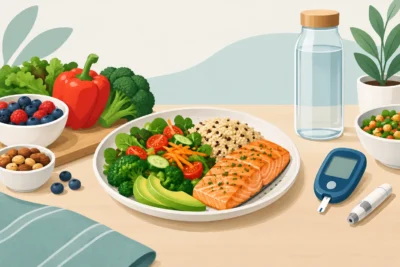
A simple place to start is building most meals around non-starchy vegetables, protein, and healthy fats, then adding a sensible portion of high-fiber carbohydrate. For example, grilled chicken with roasted broccoli and black beans will generally affect blood sugar differently than chicken with fries and a sweet drink.
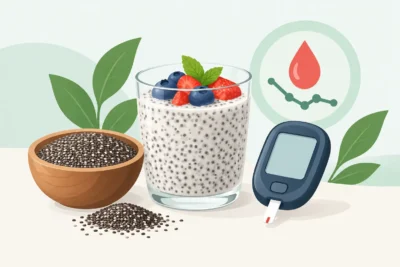
Protein and fiber slow digestion and can help you stay full, making it easier to avoid grazing later. Good protein choices include eggs, fish, chicken, turkey, Greek yogurt without added sugar, tofu, and beans. Fiber-rich choices include vegetables, berries, lentils, beans, oats, chia seeds, and minimally processed whole grains.
The foods most likely to create trouble are often the easiest to overeat: soda, sweet tea, juice, candy, pastries, white bread, large bowls of cereal, chips, and oversized restaurant portions. You do not have to label these foods as forbidden. Instead, recognize that frequent large portions make stable blood sugar much harder to achieve.
Try the plate approach at lunch and dinner: fill about half your plate with non-starchy vegetables, one quarter with protein, and one quarter with a high-fiber carbohydrate. If you are hungry after eating, add more vegetables or protein first. This is often more sustainable than trying to count every calorie from day one.

Watch Your Morning Routine
Many people see their highest readings after breakfast. Sweet coffee drinks, flavored oatmeal packets, pastries, cereal, and toast can create a fast rise before the day has even started.
Experiment with a protein-forward breakfast for one or two weeks. Eggs with vegetables, plain Greek yogurt with berries and nuts, or a vegetable-and-turkey scramble are simple options. If you prefer oatmeal, use plain oats, add nuts or chia seeds, and skip added sugar. Your meter or continuous glucose monitor can show whether a breakfast is truly working for your body.
Make Movement Part of Your Blood Sugar Plan
Your muscles use glucose for fuel. When you move, muscle cells can take in glucose even without needing as much insulin. That makes activity one of the most immediate forms of natural blood sugar support available.
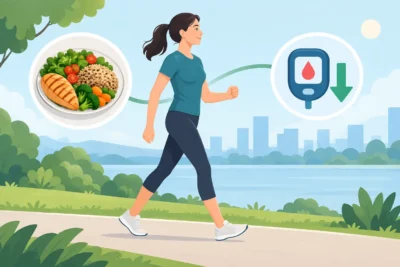
A 10- to 15-minute walk after a meal is a powerful starting habit, particularly after your largest meal. It does not need to be a punishing workout. Walking the dog, doing light yardwork, taking stairs, or marching during a television commercial break all count.
Over the week, aim to build toward at least 150 minutes of moderate activity, such as brisk walking, cycling, water aerobics, or dancing. Add strength training two or three times weekly if you can. Bodyweight squats, wall pushups, resistance bands, and light dumbbells help preserve muscle, and more muscle gives your body another place to store and use glucose.
If you have neuropathy, foot pain, severe joint problems, vision changes, or heart symptoms, ask your clinician what types of exercise are safest. The best plan is one you can do consistently without injuring yourself.
Sleep and Stress Can Raise Glucose Too
Blood sugar is not controlled in the kitchen alone. Poor sleep can increase hunger, reduce insulin sensitivity, and make high-carb foods harder to resist. Chronic stress can raise hormones such as cortisol, which may increase blood glucose even when your diet has not changed.
Start with a realistic sleep target. Keep a consistent bedtime most nights, dim screens before bed, and avoid heavy meals and alcohol close to bedtime when possible. If you snore loudly, wake up gasping, or feel exhausted despite enough time in bed, ask about sleep apnea. It is common in people with Type 2 diabetes and can interfere with blood sugar control.
For stress, choose something simple enough to use on a hard day. A short walk, five minutes of slow breathing, prayer, stretching, journaling, or a call with a supportive friend can interrupt the cycle of stress eating and inactivity. You do not need perfect calm. You need a repeatable way to reset.
Use Tracking to Find Your Personal Triggers
Two people can eat the same meal and get very different glucose results. That is why tracking can turn general advice into a personal plan.
If you use a blood glucose meter, ask your healthcare team when and how often to check. Many people learn a lot by checking fasting glucose and occasionally checking after meals as directed. Write down the meal, portion, activity, sleep quality, and reading. Patterns become clearer after a few days.
Maybe rice causes a bigger rise than a small baked potato. Maybe your glucose improves when you walk after dinner. Maybe late-night snacks are affecting your morning number. These observations are more useful than guessing.
An A1C test also matters because it reflects average glucose over roughly the previous two to three months. Do not judge your efforts by one number on one day. Look for trends, then make one or two focused adjustments at a time.
Be Careful With Supplements and Natural Remedies
Cinnamon, berberine, magnesium, chromium, apple cider vinegar, and herbal blends are commonly promoted for blood sugar. Some have limited evidence or may help certain people, but none replaces food choices, physical activity, monitoring, or prescribed treatment.
Supplements can also interact with medications and may lower glucose too far when combined with insulin, sulfonylureas, or other diabetes drugs. Berberine in particular can interact with medications and is not appropriate for everyone. Product quality also varies widely. Talk with your pharmacist or clinician before adding any supplement, and do not stop medication because a natural product seems promising.
If you take insulin or a medication that can cause hypoglycemia, changes to meals, exercise, alcohol intake, or supplements may require medication adjustments. Signs of low blood sugar can include shaking, sweating, confusion, dizziness, irritability, or a racing heartbeat. Treat lows promptly according to the plan your healthcare provider has given you.
Start With One Change You Can Keep
Trying to overhaul your diet, exercise routine, sleep, and supplement cabinet in one weekend often ends in frustration. Choose one action that feels almost too manageable: walk for 10 minutes after dinner, replace sugary drinks with water, add vegetables to lunch, or eat a protein-based breakfast.
Do it consistently for a week. Then add another layer. Small actions repeated daily can improve blood sugar far more than occasional bursts of motivation. Your next meal and your next walk are practical opportunities to support your health, and they are available to you right now.
Important notice: The content of Diabetes Cure Now is solely educational and informational and does not replace the evaluation, diagnosis, or treatment of a doctor or health professional. Before making changes to your diet, exercise, or medication, consult with a qualified professional..
Content reviewed for educational purposes and based on public medical sources.
Sources consulted
- American Diabetes Association (ADA)
- Mayo Clinic
- CDC
- NIH
12 Diabetic Recipes That Keep Meals Balanced
Diabetic Kidney Health Guide for Daily Protection
How to Start Walking With Diabetes Safely
10 Healthy Soups for Diabetics That Satisfy
Do Chia Seeds for Blood Sugar Really Help?

How to Reduce Dawn Phenomenon Naturally
Is Fruit Safe for Diabetes? What to Know
How to Walk After Meals for Better Blood Sugar