
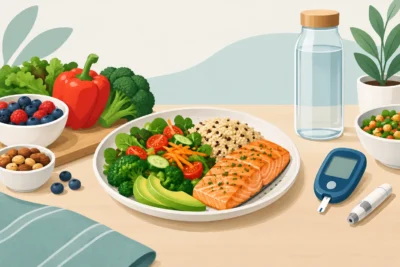
Prediabetes vs Type 2 Diabetes Explained


A lot of people do not realize they are in trouble until a routine blood test comes back "high" and the doctor mentions prediabetes. That is why understanding prediabetes vs type 2 diabetes matters so much. One is a warning stage that can often be turned around with focused lifestyle changes. The other is a more advanced metabolic condition that still can improve dramatically, but usually takes more effort and closer monitoring.
If you are confused about where the line is, you are not alone. Many people assume prediabetes is "basically diabetes" or that type 2 diabetes shows up overnight. Neither is quite true. Blood sugar problems usually build over time, and the earlier you act, the better your odds of avoiding long-term damage.
What you\'ll find in this article?
- Prediabetes vs type 2 diabetes: what is the difference?
- The blood sugar numbers that separate them
- Symptoms are often subtle at first
- Why prediabetes can become type 2 diabetes
- Prediabetes vs type 2 diabetes: can both improve?
- What lifestyle changes help the most?
- When medication enters the picture
- Which one is more dangerous?
- What to do if you were just diagnosed
Prediabetes vs type 2 diabetes: what is the difference?
The simplest way to think about it is this: both conditions involve trouble handling blood sugar, but type 2 diabetes is further along.
Prediabetes means your blood sugar is higher than normal, but not yet high enough to meet the cutoff for type 2 diabetes. Your body is already showing signs of insulin resistance, which means your cells are not responding to insulin as well as they should. The pancreas often tries to compensate by making more insulin, sometimes for years.
Type 2 diabetes happens when blood sugar levels rise into the diabetic range. At that point, insulin resistance is usually stronger, and the pancreas may no longer be able to keep up. This is when the risk of complications becomes more serious, especially if blood sugar stays elevated for a long time.

That difference matters because prediabetes is often the last clear window to stop progression before full diabetes develops. But type 2 diabetes is not a dead end. Many people improve their blood sugar, lose weight, reduce insulin resistance, and in some cases even reach remission through steady lifestyle changes.
The blood sugar numbers that separate them
Doctors usually diagnose these conditions with an A1C test, a fasting blood glucose test, or an oral glucose tolerance test.
Prediabetes is generally defined as an A1C of 5.7% to 6.4%. Type 2 diabetes is diagnosed at 6.5% or higher. For fasting blood sugar, prediabetes is typically 100 to 125 mg/dL, while type 2 diabetes starts at 126 mg/dL or higher on repeat testing.
Those numbers may look close, and they are. That is part of the problem. A person can move from one category to the other without feeling dramatically different. Small shifts in weight, diet, activity, sleep, stress, or medication use can push blood sugar higher over time.
This is also why borderline results should not be brushed off. If your numbers are creeping upward, your body is already under strain.

Symptoms are often subtle at first
One frustrating part of blood sugar problems is that prediabetes often causes no obvious symptoms. A person may feel mostly normal while insulin resistance is building in the background.
When symptoms do show up, they can be easy to dismiss. You might notice more fatigue after meals, stronger cravings for carbs or sweets, increased belly fat, or darker skin patches around the neck or underarms. Some people also notice brain fog or energy crashes.
Type 2 diabetes is more likely to cause recognizable symptoms, though not always right away. Common signs include increased thirst, frequent urination, blurred vision, more hunger than usual, slow-healing cuts, recurrent infections, and unexplained fatigue.
The overlap is one reason testing matters more than guessing. How you feel does not always match what your blood sugar is doing.
Why prediabetes can become type 2 diabetes
Prediabetes does not automatically turn into type 2 diabetes, but it often does when the root causes stay in place.
The biggest driver is insulin resistance. This is commonly linked with excess body fat, especially around the abdomen, low physical activity, poor sleep, chronic stress, and a diet heavy in ultra-processed carbs and sugary foods. Genetics also matter. Some people are more vulnerable because of family history, age, or ethnic background.
Over time, the pancreas can get worn down from constantly trying to produce extra insulin. When it can no longer keep blood sugar in range, type 2 diabetes develops.
This is why early action is so powerful. You are not just trying to lower a lab result. You are trying to reduce the metabolic pressure that is pushing the body in the wrong direction.
Prediabetes vs type 2 diabetes: can both improve?
Yes, and this is where many people need a dose of hope.
Prediabetes can often be reversed to normal blood sugar levels with weight loss, better food choices, regular movement, and improved sleep and stress habits. In many cases, even a modest loss of 5% to 10% of body weight can make a real difference.
Type 2 diabetes can also improve significantly. Some people lower their A1C, reduce medication needs, and regain better insulin sensitivity through disciplined lifestyle changes. Others need medication as part of the process, especially if blood sugar is very high. That is not failure. It is simply one tool among several.
The key difference is that prediabetes usually gives you more flexibility and a better chance of stopping progression early. Type 2 diabetes often requires tighter follow-through and more consistent monitoring.
What lifestyle changes help the most?
You do not need a perfect routine to start improving blood sugar. You need consistent basics that target insulin resistance.
Food is often the first place to focus. Meals built around protein, fiber, healthy fats, and minimally processed carbs tend to be much more blood sugar friendly than meals centered on soda, sweets, white bread, chips, or oversized pasta portions. This does not mean everyone needs the exact same diet. Some people do well with a lower-carb approach, while others improve by simply reducing sugar and refined starches and controlling portions.
Movement is another major lever. Walking after meals, strength training, and regular daily activity can all help the body use glucose more effectively. You do not have to become a gym person overnight. A 10- to 15-minute walk after lunch or dinner is a practical place to begin.
Sleep and stress matter more than many people realize. Poor sleep can worsen insulin resistance and increase hunger. Chronic stress can push blood sugar higher through hormone changes and emotional eating. If you are working hard on food but ignoring exhaustion and stress, your progress may stall.
Weight loss, when needed, can improve both prediabetes and type 2 diabetes. But the goal is not crash dieting. Fast, extreme plans are hard to maintain and often backfire. Steady habits usually work better.
When medication enters the picture
Some readers want a natural-first path, and that makes sense. Lifestyle should be the foundation. But it helps to be realistic.
With prediabetes, some people can improve enough through diet, exercise, and weight loss alone. Others may be advised to use medication if they are at particularly high risk. With type 2 diabetes, medication is more common because blood sugar is already in a higher range.
This does not have to be an either-or choice. Many people combine medication with natural lifestyle strategies and get better results than they would from either approach alone. At Diabetes Cure Now, the most useful mindset is often this: use every smart tool available to protect your health, while still building habits that address the real cause underneath.
Which one is more dangerous?
Type 2 diabetes carries a greater immediate risk because blood sugar is higher and complications are more likely over time. That includes damage to the eyes, kidneys, nerves, heart, and blood vessels.
But prediabetes should not be treated as harmless. It is a serious warning sign that your metabolism is already struggling. People with prediabetes often also have high blood pressure, excess abdominal fat, abnormal cholesterol, or fatty liver. Those problems can quietly build long before a diabetes diagnosis appears.
So the better question is not which one is worse. The better question is whether you are willing to act before more damage builds up.
What to do if you were just diagnosed
Start by getting clear on your numbers. Ask for your A1C, fasting glucose, and any other relevant markers, not just a quick label. Knowing where you stand makes it easier to track progress.
Then focus on one or two changes you can actually maintain this week. Replace sugary drinks. Walk after dinner. Build breakfast around protein instead of pastries or cereal. Go to bed earlier. Small actions sound basic, but they work when they become routine.
If your doctor recommends follow-up testing, do not delay it. Blood sugar trends matter more than a single moment in time. You want proof that what you are doing is working.
Most of all, do not let fear freeze you. Prediabetes is a wake-up call. Type 2 diabetes is a serious condition, but it can still improve. Your body responds to what you do repeatedly, and better habits can start changing that response sooner than you think.
The most helpful step is not waiting for the perfect plan. It is choosing one meaningful change today and giving your metabolism a reason to move in a better direction.
Important notice: The content of Diabetes Cure Now is solely educational and informational and does not replace the evaluation, diagnosis, or treatment of a doctor or health professional. Before making changes to your diet, exercise, or medication, consult with a qualified professional..
Content reviewed for educational purposes and based on public medical sources.
Sources consulted
- American Diabetes Association (ADA)
- Mayo Clinic
- CDC
- NIH
12 Diabetic Recipes That Keep Meals Balanced
Diabetic Kidney Health Guide for Daily Protection
How to Start Walking With Diabetes Safely

10 Healthy Soups for Diabetics That Satisfy
Do Chia Seeds for Blood Sugar Really Help?

How to Reduce Dawn Phenomenon Naturally
Is Fruit Safe for Diabetes? What to Know
How to Walk After Meals for Better Blood Sugar