
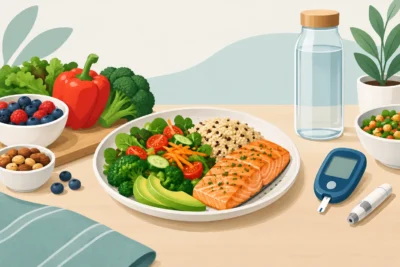
Protein Breakfast for Blood Sugar Control


You can often predict how the rest of the day will go by what happens at breakfast. If your morning meal is mostly toast, cereal, juice, or a pastry grabbed on the run, the blood sugar roller coaster usually starts early. A protein breakfast for blood sugar gives you a better shot at steady energy, fewer cravings, and more control over the choices you make later.
For many adults with prediabetes, Type 2 diabetes, or stubborn morning spikes, breakfast is where momentum is won or lost. The goal is not perfection. The goal is to build a meal that works with your body instead of pushing glucose up fast and leaving you hungry again an hour later.
What you\'ll find in this article?
- Why a protein breakfast for blood sugar works
- What makes breakfast blood sugar-friendly
- Best protein foods for breakfast
- Breakfast ideas that actually fit real life
- Common breakfast mistakes that raise blood sugar
- How to build your own protein breakfast for blood sugar
- What if you are not hungry in the morning?
- The bigger picture beyond breakfast
Why a protein breakfast for blood sugar works
Protein slows digestion and helps a meal feel satisfying for longer. That matters because meals that digest too quickly can lead to sharp rises in blood sugar, followed by fatigue, hunger, and cravings. When breakfast includes enough protein, it usually becomes easier to avoid the midmorning crash that sends people looking for more carbs, sugar, or caffeine.
There is also a practical benefit. Protein-rich breakfasts tend to make portion control easier without feeling restrictive. When you feel full and steady, you are less likely to snack mindlessly or overeat at lunch.
That does not mean protein is magic on its own. If breakfast is high in protein but also loaded with sugar and refined starch, blood sugar may still climb more than you want. The real win comes from combining protein with fiber, healthy fats, and a reasonable amount of carbohydrates.

What makes breakfast blood sugar-friendly
A good breakfast for blood sugar is usually built around three things: protein, fiber, and staying power. In real life, that might look like eggs with vegetables, Greek yogurt with chia seeds and berries, or cottage cheese with a few nuts and sliced cucumber on the side.
The biggest mistake is thinking breakfast has to look like traditional breakfast food. It does not. Leftover chicken with avocado, a turkey roll-up with raw veggies, or a simple protein smoothie can work just as well. If it keeps your blood sugar steadier and helps you feel good, it counts.
For many people, aiming for at least 20 to 30 grams of protein at breakfast is a useful starting point. Some people do well with a little less, especially if the meal is lower in carbs overall. Others need more, particularly if they are larger, more active, or get hungry quickly. It depends on your metabolism, your medications, and what the rest of your day looks like.
Best protein foods for breakfast
Eggs are a classic choice for a reason. They are affordable, versatile, and easy to pair with vegetables or healthy fats. Scrambled eggs with spinach, mushrooms, and a side of avocado is a simple meal that works for many people.
Greek yogurt is another strong option, especially plain unsweetened varieties. It is high in protein, easy to prepare, and can be turned into a balanced breakfast with berries, walnuts, and ground flaxseed. Just watch flavored yogurts, which often contain more added sugar than people realize.

Cottage cheese is underrated. It is high in protein, quick to serve, and can go sweet or savory. Some people enjoy it with cinnamon and berries, while others prefer it with tomatoes, pepper, and a drizzle of olive oil.
If you eat meat, turkey sausage, chicken sausage, smoked salmon, or leftover grilled chicken can all fit. Plant-based eaters can use tofu scrambles, unsweetened soy yogurt, tempeh, or a protein smoothie made with a clean low-sugar protein powder.
Protein shakes can be helpful, especially for busy mornings, but quality matters. A shake that is low in sugar and has enough protein can be a smart tool. One that tastes like dessert and contains a long list of syrups and fillers may not do your blood sugar any favors.
Breakfast ideas that actually fit real life
The best breakfast is the one you will keep making. That means it has to be realistic for your schedule, budget, and appetite.
If you like savory meals, try eggs with sauteed vegetables and a side of turkey sausage. Another easy option is a breakfast bowl with scrambled eggs, black beans in a small portion, salsa, and avocado. The beans add fiber, but the portion matters if you are sensitive to carbs.
If you prefer something cold, plain Greek yogurt with chia seeds, a few berries, and chopped almonds is quick and satisfying. Cottage cheese with walnuts and cinnamon works the same way. These meals are fast, but they do not act like the typical high-sugar yogurt parfait that leaves you hungry.
For mornings when you are rushing, a smoothie can save the day. Blend unsweetened almond milk, protein powder, spinach, chia seeds, and a small amount of berries. The trick is not to turn the blender into a fruit bomb. Too much banana, mango, juice, or sweetened yogurt can undo the benefit.
Even leftovers deserve a mention. Grilled chicken, roasted vegetables, and half an avocado may not sound like breakfast food, but your blood sugar does not care what the meal is called.
Common breakfast mistakes that raise blood sugar
A lot of foods marketed as healthy breakfasts are not especially helpful for glucose control. Oatmeal can be fine for some people, but instant packets with added sugar often spike blood sugar fast. Granola is another common problem because it is easy to overeat and often packed with sweeteners.
Toast, bagels, cereal, muffins, pancakes, and breakfast bars usually cause trouble because they are heavy on refined carbs and light on protein. Even when the label says whole grain, the blood sugar response may still be stronger than expected.
Fruit-only breakfasts are another issue. Fruit has benefits, but eating a banana and calling it breakfast usually is not enough for stable energy. Pairing fruit with protein and fat works much better.
The same goes for coffee drinks that double as dessert. If breakfast is really a flavored latte and a pastry, your blood sugar will likely show it.
How to build your own protein breakfast for blood sugar
Start with a protein anchor. Eggs, Greek yogurt, cottage cheese, tofu, turkey, or a low-sugar protein shake are all solid choices. Then add fiber from vegetables, chia seeds, flaxseed, or a modest serving of berries.
Next, decide whether you need carbohydrates at that meal and how much. Some people feel and perform best with a small amount of slow-digesting carbs. Others do better keeping breakfast lower in carbs, especially if mornings are when their blood sugar tends to run highest. This is where testing and paying attention to your own response matters.
Then add a little healthy fat for staying power. Avocado, nuts, seeds, or olive oil can help a meal feel satisfying. You do not need a lot. Just enough to round out the plate.
If you check your blood sugar at home, breakfast is a useful place to experiment. Try one breakfast for several days, monitor how you feel, and see what happens to your readings. Then compare it with another option. Your meter can teach you more than food labels alone.
What if you are not hungry in the morning?
Some people simply do not want a full meal right after waking up. That is fine. You do not need to force a huge breakfast. But if skipping breakfast leads to overeating later, shaky energy, or blood sugar swings, a lighter protein-focused option can help.
A boiled egg and a few almonds, a small Greek yogurt, or half a protein shake may be enough to start. The point is not to follow a rule. It is to give your body steadier fuel.
If you take diabetes medication or insulin, your meal timing may matter more. In that case, breakfast choices should work with your treatment plan, not against it. Natural strategies are powerful, but they work best when they are matched to your personal needs.
The bigger picture beyond breakfast
Breakfast can set the tone, but it is not the whole story. Sleep, stress, late-night eating, physical activity, and body weight all affect blood sugar too. A strong breakfast helps, yet it works best as part of a consistent daily routine.
That is the encouraging part. You do not need to overhaul your entire life overnight. One smart breakfast choice repeated often can lower cravings, improve energy, and make the next healthy choice easier. That is how real change starts.
If you have been feeling stuck, start tomorrow morning. Build a breakfast around protein, keep sugar low, and pay attention to how your body responds. Small actions done consistently can move blood sugar in the right direction, and that is exactly where progress begins.
Important notice: The content of Diabetes Cure Now is solely educational and informational and does not replace the evaluation, diagnosis, or treatment of a doctor or health professional. Before making changes to your diet, exercise, or medication, consult with a qualified professional..
Content reviewed for educational purposes and based on public medical sources.
Sources consulted
- American Diabetes Association (ADA)
- Mayo Clinic
- CDC
- NIH
12 Diabetic Recipes That Keep Meals Balanced
Diabetic Kidney Health Guide for Daily Protection

How to Start Walking With Diabetes Safely
10 Healthy Soups for Diabetics That Satisfy
Do Chia Seeds for Blood Sugar Really Help?

How to Reduce Dawn Phenomenon Naturally
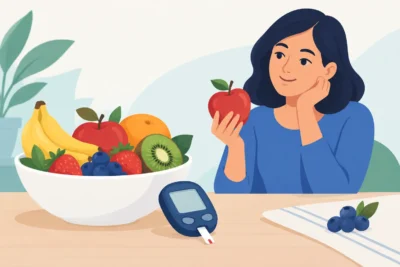
Is Fruit Safe for Diabetes? What to Know

How to Walk After Meals for Better Blood Sugar