
A Real Type 2 Diabetes Success Story


A type 2 diabetes success story usually does not start with a dramatic breakthrough. It starts with a lab result, a tight feeling in the chest, and the quiet fear that life may be getting smaller from here on out. For many adults, the turning point is not perfection. It is the moment they decide they are done letting blood sugar call the shots.
Take a common scenario. A 52-year-old man goes in for routine bloodwork after months of fatigue, afternoon crashes, and creeping weight gain. His A1C comes back at 8.1%. His fasting blood sugar is elevated. His doctor talks about medication, future risks, and the need to act now. He leaves that visit overwhelmed, but also clear on one thing: he cannot keep eating, sleeping, and moving the way he has been.
That is where many real improvements begin.
What you\'ll find in this article?
What a type 2 diabetes success story really looks like
The internet often makes diabetes improvement sound fast and simple. Cut carbs. Walk more. Lose weight. Problem solved. Real life is messier than that.
A real type 2 diabetes success story is usually built on a handful of boring but powerful changes repeated long enough to matter. It often includes setbacks, plateaus, and days when motivation is nowhere to be found. What makes it a success story is not that everything went smoothly. It is that the person stayed with the process long enough to see their body respond.

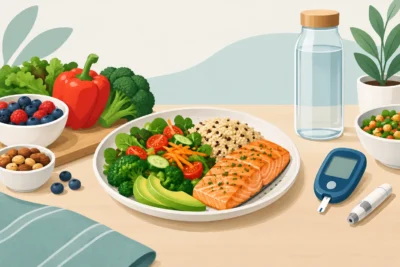
In this example, the first change was food. Not a crash diet. Not starvation. He started by removing the habits doing the most damage: sugary drinks, late-night snacks, oversized portions of bread and pasta, and the daily fast-food lunch that had become automatic.
Breakfast changed from a bagel and sweet coffee to eggs, plain Greek yogurt, or oatmeal with nuts, depending on the day. Lunch became simpler and more predictable, often built around protein, vegetables, and a smart carb like beans or brown rice. Dinner stopped being a reward meal and became a steady meal. That shift matters more than many people realize.
The habits that changed his numbers
Within the first few weeks, he noticed fewer crashes after meals. He was less hungry at night. He started checking his blood sugar more consistently, and for the first time he could see patterns instead of random chaos.
That feedback loop helped. When he ate a heavy takeout meal with fries and soda, his numbers jumped. When he ate grilled chicken, vegetables, and a smaller portion of starch, his readings were more stable. This is one reason blood sugar improvement becomes easier when people track what they eat and how they feel. It turns guesswork into information.
Movement was the second major shift. He did not start training like an athlete. He walked for 10 minutes after dinner, then 15, then 20. Later he added two short strength sessions each week using bodyweight exercises and resistance bands at home. That combination worked because it was realistic.

Walking after meals can help lower post-meal blood sugar, and strength training supports better insulin sensitivity over time. Neither one has to be extreme to help. Consistency beats intensity for most people trying to improve type 2 diabetes naturally.
Sleep was the third piece, and it ended up being bigger than expected. He had been staying up late, snacking in front of the TV, and sleeping poorly for years. Once he started going to bed earlier and cut back on late-night eating, his fasting blood sugar improved. Not overnight, but enough to notice.
This is where many people get frustrated. They focus only on carbs and miss the fact that stress, poor sleep, and inactivity can push blood sugar higher too. A natural-first strategy works best when it looks at the whole day, not just the plate.
Why weight loss helped, but was not the whole story
By the three-month mark, he had lost 18 pounds. That helped, especially around the waist, where excess fat is strongly tied to insulin resistance. His A1C dropped from 8.1% to 6.7%. That is meaningful progress in a short period.
But this was not only about weight loss. Plenty of people get stuck because they focus on the scale and ignore behavior. In his case, better food choices, more movement, steadier sleep, and fewer blood sugar spikes likely all played a role.
That distinction matters. If your progress slows, it does not always mean your plan has failed. Sometimes your body is improving in ways the scale does not show right away. Better energy, fewer cravings, lower glucose readings after meals, and a smaller waistline all count.
There is also an important reality check here. Not every person with type 2 diabetes will see the same results at the same speed. Some people have had diabetes longer. Some take medications that affect weight or blood sugar. Some have mobility limitations, high stress, menopause-related changes, or other conditions that make progress slower. Success is still possible, but the path may look different.
The mindset behind this type 2 diabetes success story
The most useful part of this story is not the exact menu or step count. It is the shift in mindset.
At first, he wanted a quick fix. Like many people, he searched for the one supplement, one meal plan, or one trick that would turn things around fast. What actually helped was accepting that blood sugar improves through repeated daily choices.
That does not mean every meal has to be perfect. It means your routine needs to be better more often than it used to be.
He also stopped using all-or-nothing thinking. One high reading no longer ruined the day. One restaurant meal did not become a full weekend of overeating. That change alone can keep people from falling into the cycle of guilt, giving up, and starting over every Monday.
This is where encouragement matters. If you are trying to improve your blood sugar, you do not need to become a different person overnight. You need a plan you can actually live with. For some, that means lower-carb meals. For others, it means portion control, meal timing, walking after meals, and better sleep hygiene. It depends on your starting point, your preferences, and your health history.
What readers can learn from a real success story
The biggest lesson is that type 2 diabetes often responds well to lifestyle change, especially in the earlier stages and especially when weight loss is part of the process. Food quality matters. So does meal structure. So does movement. So does reducing the daily habits that keep insulin resistance high.
It also helps to start where the return is highest. Sugary drinks are a strong target. So are oversized refined-carb meals, constant snacking, and long periods of sitting. You do not need to overhaul your entire life in one weekend. You do need to stop feeding the patterns that got you here.
A practical approach might look like this: build meals around protein and fiber, cut back on liquid sugar, walk after one or two meals a day, strength train a couple of times a week, and protect your sleep. Then track your glucose so you can see what is working.
That last part is often skipped, but it should not be. The body gives feedback. If your morning numbers stay high, look at your evening eating and sleep. If your readings spike after certain foods, adjust the portion or swap the food. Small course corrections can lead to big results over time.
At Diabetes Cure Now, the core message is simple: improvement is possible when action becomes consistent. That does not mean ignoring medical care. It means using the power you have every day - what you eat, how you move, how you sleep, and how much weight you carry - to push your health in a better direction.
Success is not magic. It is measurable.
Six months after diagnosis, this man had brought his A1C down to 5.9%. He had lost more than 25 pounds, his energy was better, and his blood sugar was far more predictable. He still had to stay disciplined. He still had days when old habits looked tempting. But the fear he felt at the beginning had been replaced by something better: proof.
That is what makes a type 2 diabetes success story powerful. It reminds people that progress is not reserved for someone younger, richer, or more motivated. It belongs to the person who starts, adjusts, and keeps going.
If you are staring at your own lab results and wondering whether real change is possible, take that as your cue. Your next meal matters. Your next walk matters. Your next week matters even more. A better outcome is built one repeatable choice at a time.
Important notice: The content of Diabetes Cure Now is solely educational and informational and does not replace the evaluation, diagnosis, or treatment of a doctor or health professional. Before making changes to your diet, exercise, or medication, consult with a qualified professional..
Content reviewed for educational purposes and based on public medical sources.
Sources consulted
- American Diabetes Association (ADA)
- Mayo Clinic
- CDC
- NIH
12 Diabetic Recipes That Keep Meals Balanced
Diabetic Kidney Health Guide for Daily Protection
How to Start Walking With Diabetes Safely

10 Healthy Soups for Diabetics That Satisfy
Do Chia Seeds for Blood Sugar Really Help?

How to Reduce Dawn Phenomenon Naturally
Is Fruit Safe for Diabetes? What to Know
How to Walk After Meals for Better Blood Sugar