
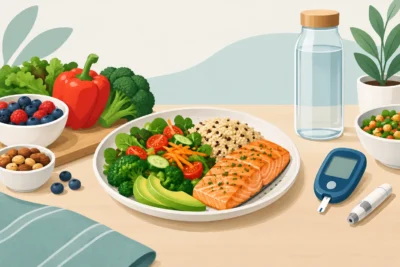
7 Reversing Prediabetes Success Examples


A prediabetes diagnosis can feel like a warning siren, but it is also a window of opportunity. The most encouraging part of reversing prediabetes success examples is that many of them start with ordinary changes - better meals, more walking, improved sleep, and steady weight loss - not extreme overhauls.
Prediabetes means blood sugar is higher than normal but not yet in the diabetes range. That matters because this stage is often reversible, especially when you catch it early and act consistently. Real progress usually comes from simple habits repeated long enough to improve insulin sensitivity and lower fasting glucose or A1C.
What you\'ll find in this article?
- What reversing prediabetes success examples really show
-
7 reversing prediabetes success examples
- 1. The soda swap that lowered fasting blood sugar
- 2. The 15-pound loss that changed A1C
- 3. The daily walking routine that worked better than expected
- 4. The lower-carb plate that reduced cravings
- 5. The strength training comeback
- 6. The sleep and stress reset
- 7. The all-in lifestyle reset after a scary lab result
- Why some people reverse prediabetes faster than others
- What these examples mean for your next step
What reversing prediabetes success examples really show
When you look at real-world stories, a pattern appears fast. People who improve prediabetes usually do not rely on one magic fix. They combine a few high-impact habits and stick with them long enough to give their body time to respond.
The biggest drivers are usually weight loss, cutting back on refined carbs and sugary drinks, walking after meals, resistance training, better sleep, and reducing the all-day snacking that keeps blood sugar elevated. Some people see meaningful changes within a few months. Others need longer. That does not mean they are failing. It usually means their insulin resistance is more stubborn, their stress is high, or their routine is harder to maintain.
7 reversing prediabetes success examples
1. The soda swap that lowered fasting blood sugar
A common success story starts with one obvious source of sugar. Think of the person drinking two or three sodas a day, plus sweet tea or flavored coffee. When those drinks are replaced with water, sparkling water, or unsweetened tea, daily sugar intake can drop dramatically without changing much else.

In practical terms, this person often sees fewer energy crashes, less mindless hunger, and gradual weight loss. That combination can lower fasting blood sugar in a surprisingly short time. It is not flashy, but for many adults, removing liquid sugar is one of the fastest wins available.
The trade-off is that cravings can spike at first. Some people do better tapering down instead of quitting all at once. If a person switches from soda to fruit juice, the benefit may be smaller than expected because juice still delivers a heavy sugar load.
2. The 15-pound loss that changed A1C
Many reversing prediabetes success examples include moderate weight loss, not dramatic transformation. A person who loses 10 to 20 pounds, especially around the midsection, often improves insulin sensitivity enough to move A1C back into a normal range.
This tends to happen when weight loss comes from sustainable changes rather than crash dieting. Better portions, fewer restaurant meals, more protein at breakfast, and less nighttime snacking can produce steady results. For someone who has been insulin resistant for years, even a 5 to 10 percent drop in body weight can make a real difference.
What matters here is sustainability. Rapid weight loss can improve numbers, but if old habits return, blood sugar often rises again. The success story is not just losing the weight. It is keeping enough of the routine in place to maintain the improvement.

3. The daily walking routine that worked better than expected
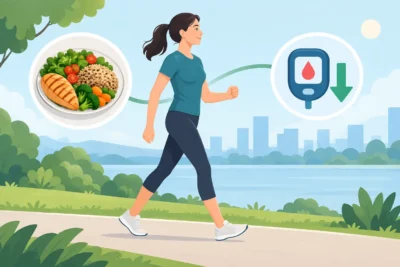
One of the most realistic examples is the person who started walking every day, especially after meals. A 10- to 20-minute walk after lunch or dinner can help muscles use glucose more efficiently, which blunts post-meal blood sugar spikes.
This is especially helpful for people who hate gyms or have joint issues that make intense workouts unrealistic. Walking is accessible, free, and easier to repeat than complicated programs. Over time, those short walks can improve stamina, help with weight control, and support healthier glucose patterns throughout the day.
It depends on consistency. A weekend-only exercise plan usually does not produce the same effect as movement built into daily life. For many people, regular walking becomes the habit that makes all the other habits easier.
4. The lower-carb plate that reduced cravings
Another strong example is the person who did not count every calorie but changed the structure of meals. Instead of cereal, toast, and juice for breakfast, they ate eggs, Greek yogurt, or a protein smoothie with fiber. Instead of a large sandwich, chips, and dessert for lunch, they built meals around protein, vegetables, healthy fats, and a moderate portion of smart carbs.
This approach often works because it reduces blood sugar swings. When meals are built around protein and fiber, hunger tends to calm down. That makes it easier to avoid the snack-crave-snack cycle that keeps glucose elevated.
Lower carb does not have to mean zero carb. Some people thrive on a moderately lower-carb plan with beans, berries, oats, or sweet potatoes included in reasonable portions. Others need a more aggressive carb cut for a while to regain control. The key is choosing a pattern you can actually live with.
5. The strength training comeback
A lot of people think prediabetes improvement is all about cardio, but strength training deserves more attention. One common success example is the person who starts lifting weights two or three times a week, or even doing bodyweight exercises at home, and sees better blood sugar despite only modest scale changes.
That happens because muscle tissue helps absorb glucose. More muscle and better muscle function can improve insulin sensitivity, even if body weight does not drop quickly. For adults over 40, this can be especially important because muscle mass naturally declines with age.
The challenge is that beginners often expect instant results. Strength training usually pays off over months, not days. But when it is paired with walking and better food choices, it can become a major part of long-term blood sugar control.
6. The sleep and stress reset
Not every success story starts in the kitchen. Some begin when a person finally addresses poor sleep, chronic stress, or both. Someone sleeping five hours a night, working long shifts, and feeling wired all day may struggle to lower blood sugar even with decent food choices.
Once sleep improves, stress hormones often settle down, cravings become easier to manage, and fasting glucose may start dropping. This does not mean sleep alone reverses prediabetes. It means metabolism works better when the body is not constantly under strain.
This is one of the most overlooked pieces of the puzzle. If you are doing many things right and your numbers barely move, sleep quality, sleep duration, and stress load are worth a closer look.
7. The all-in lifestyle reset after a scary lab result
Some people need a wake-up call. A high A1C, a strong family history, or a doctor saying, "You are heading toward Type 2 diabetes," can create the urgency needed to change fast. These are often the most dramatic reversing prediabetes success examples because the person tackles several habits at once.
They clean up breakfast, stop drinking calories, begin walking daily, cut takeout, meal prep on Sundays, and track their progress. Within three to six months, their numbers improve enough to move out of the prediabetes range.
The upside of this approach is momentum. The downside is burnout if the plan is too strict. The best version of an all-in reset is intense enough to create results but realistic enough to continue after the first burst of motivation fades.
Why some people reverse prediabetes faster than others
Two people can make similar changes and get different results. That is normal. Starting weight, genetics, age, sleep quality, medications, activity level, and how long insulin resistance has been building all affect the speed of improvement.
People with mild prediabetes often see quicker results than those who are closer to a Type 2 diabetes diagnosis. Someone who loses visceral fat quickly may improve fast, while another person may need a longer stretch of consistency before labs shift. This is why comparing yourself to someone else can be discouraging and misleading.
What these examples mean for your next step
The real lesson is not that you need a perfect plan. It is that prediabetes often responds when you reduce the biggest pressure points on your metabolism. For most people, that means eating fewer ultra-processed carbs, moving more often, sleeping better, and losing some excess weight if needed.
At Diabetes Cure Now, the most helpful mindset is simple: start where the payoff is highest. If you drink sugar, fix that first. If you sit all day, add post-meal walks. If late-night eating is your weak spot, build a better dinner and set a cutoff time.
You do not need to copy someone else’s full routine to get your own result. You need a plan you can repeat next week, next month, and long enough for your blood sugar to catch up with your effort. That is where change becomes real.
Important notice: The content of Diabetes Cure Now is solely educational and informational and does not replace the evaluation, diagnosis, or treatment of a doctor or health professional. Before making changes to your diet, exercise, or medication, consult with a qualified professional..
Content reviewed for educational purposes and based on public medical sources.
Sources consulted
- American Diabetes Association (ADA)
- Mayo Clinic
- CDC
- NIH
12 Diabetic Recipes That Keep Meals Balanced
Diabetic Kidney Health Guide for Daily Protection
How to Start Walking With Diabetes Safely

10 Healthy Soups for Diabetics That Satisfy
Do Chia Seeds for Blood Sugar Really Help?

How to Reduce Dawn Phenomenon Naturally
Is Fruit Safe for Diabetes? What to Know
How to Walk After Meals for Better Blood Sugar