
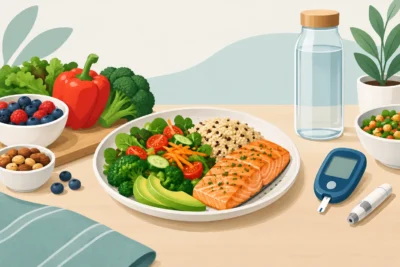
8 Rice Alternatives for Diabetics to Try


White rice shows up in a lot of comfort meals, but it can send blood sugar up fast if you have diabetes or prediabetes. The good news is that rice alternatives for diabetics are not just a backup plan. In many cases, they give you more fiber, more nutrients, and better fullness than regular rice while still working in the meals you already love.
That matters because blood sugar control is not only about cutting carbs. It is also about choosing foods that digest more slowly, keep you satisfied, and make it easier to stay consistent. If rice is a staple in your kitchen, swapping it wisely can be one of the simplest changes you make.
What you\'ll find in this article?
- Why rice can be a problem for blood sugar
- What makes good rice alternatives for diabetics?
- 1. Cauliflower rice
- 2. Broccoli rice
- 3. Quinoa
- 4. Barley
- 5. Farro
- 6. Shirataki rice
- 7. Cabbage rice
- 8. Lentils
- How to choose the right rice alternative for diabetics
- Simple ways to make the swap actually work
- A quick word about portion size
Why rice can be a problem for blood sugar
Rice is not automatically off-limits, but the type and portion matter a lot. White rice is low in fiber and tends to digest quickly, which can lead to a sharper blood sugar rise after a meal. For someone already dealing with insulin resistance, that quick spike can make energy, cravings, and glucose control harder to manage.
Brown rice is a step up because it has more fiber and nutrients, but it is still a carb-heavy food. Some people do fine with small portions of brown rice paired with protein and vegetables. Others notice that even modest servings push their numbers higher than they want. That is why alternatives can be so useful. They let you keep the shape of the meal without the same glucose impact.
What makes good rice alternatives for diabetics?
The best options usually have one or more of these advantages: lower total carbs, more fiber, more protein, or a slower effect on blood sugar. Texture matters too. If a substitute does not work in real meals, it is not going to become a habit.

A smart replacement should fit your lifestyle. Some people want something very low carb. Others want a whole-food option that still feels hearty and natural. There is no single best choice for everyone. Your blood sugar response, medication plan, activity level, and portion size all play a role.
1. Cauliflower rice
Cauliflower rice is one of the most popular swaps for a reason. It is very low in carbs, easy to prepare, and works well in stir-fries, burrito bowls, stuffed peppers, and simple side dishes. If your goal is to cut the blood sugar impact of a meal quickly, this is a strong place to start.
It does have a trade-off. Cauliflower rice does not feel as heavy or starchy as regular rice, so some people find it less satisfying on its own. The fix is simple. Cook it with olive oil, garlic, onion, herbs, or broth, and pair it with a good protein source. That makes the meal feel complete instead of diet-like.
2. Broccoli rice
Broccoli rice works a lot like cauliflower rice but gives you a slightly stronger flavor and another easy way to add vegetables. It can be especially helpful if you are trying to increase fiber and reduce calories while still eating generous portions.
This option works best in savory dishes. Think chicken bowls, taco skillets, and curry-style meals. If you have family members who resist vegetable swaps, mixing half broccoli rice with half brown rice can be an easier transition.

3. Quinoa
Quinoa is not low carb, but it often works better than white rice because it has more protein and fiber. That combination can help slow digestion and reduce the blood sugar surge compared with more refined grains. It also has a mild, nutty flavor that fits many types of meals.
The key with quinoa is portion control. It is easy to over-serve because it feels healthy. For many people with Type 2 diabetes, a smaller portion alongside lean protein and non-starchy vegetables works much better than a large bowl by itself. If you want a more balanced grain-based option, quinoa is one of the better choices.
4. Barley
Barley deserves more attention than it gets. It is rich in soluble fiber, especially beta-glucan, which may support steadier blood sugar and improved fullness after meals. Its chewy texture also makes it feel more substantial than rice, which can help with satisfaction.
This is a good option for soups, grain bowls, and warm side dishes. It is not right for everyone, though. Barley contains gluten, so it is not suitable if you have celiac disease or gluten sensitivity. It is also still a grain, which means serving size still matters.
5. Farro
Farro is another whole grain that can work better than white rice for some people. It has more fiber, a pleasantly chewy texture, and a slightly nutty taste that makes simple meals feel less boring. If you are trying to move away from refined carbs without going fully low carb, farro can be a practical middle ground.
Like barley, it is not a low-carb food and it does contain gluten. It tends to work best for active adults who tolerate whole grains well and are paying attention to portions. It is a better choice than white rice, but not automatically a free food.
6. Shirataki rice
Shirataki rice is made from konjac fiber and is extremely low in digestible carbs. For people who want the closest thing to a rice-shaped food with minimal blood sugar impact, this can be a helpful option. It is often useful in stir-fries, Asian-inspired dishes, or meals where sauce and seasoning carry most of the flavor.
Texture is the deciding factor here. Some people love it, and others never want it again after one bite. Rinsing it well and cooking off excess moisture helps a lot. If you are serious about lowering carb intake, it is worth testing at least once.
7. Cabbage rice
Finely chopped cabbage can work surprisingly well as a rice replacement in skillet meals, egg-based dishes, and ground meat bowls. It is inexpensive, easy to find, and supports fullness without adding many carbs. That makes it a solid option if you want simple blood sugar-friendly meals on a budget.
Cabbage has a stronger flavor than cauliflower, so it is not as neutral. Still, in well-seasoned meals, that usually works in your favor. It is one of those low-cost swaps that can make healthy eating more realistic long term.
8. Lentils
Lentils are different from the other options because they do not really imitate rice in texture. What they do offer is something many people with diabetes need more of: fiber, plant protein, and slow-burning carbs. In bowls, soups, and savory meals, lentils can replace rice as the main base and leave you feeling fuller for longer.
They are especially useful for people who get hungry quickly after eating refined carbs. A lentil-based meal often creates more stable energy. You still need to watch portions, but lentils tend to be a more forgiving carb source than white rice.
How to choose the right rice alternative for diabetics
The best choice depends on what you need most. If your blood sugar runs high after meals, vegetable-based options like cauliflower rice, broccoli rice, or cabbage rice may help the most. If you want something more filling and closer to a grain, quinoa, barley, or farro may be easier to stick with.
If you are trying to lose weight, the lower-calorie vegetable swaps can help you build bigger plates without overloading carbs. If you are very active or want more staying power from meals, higher-fiber grains or lentils may be a better fit. This is where checking your blood sugar can teach you a lot. Two people can eat the same food and get very different readings.
Simple ways to make the swap actually work
Most people do better when they do not try to force a perfect replacement right away. Start by swapping half the rice in a meal and keep the rest familiar. That one step can lower the carb load without making dinner feel like a punishment.
It also helps to build the whole plate better. Add protein like chicken, fish, eggs, tofu, or turkey. Include healthy fats from avocado, olive oil, nuts, or seeds. Load up on non-starchy vegetables. Even the best rice alternative works better when the full meal supports steadier blood sugar.
Seasoning matters too. A bland substitute rarely becomes a habit. Use broth, garlic, onion, herbs, spices, lime juice, or salsa to make the food satisfying enough to repeat.
A quick word about portion size
Even healthier rice substitutes can become a problem in oversized servings. Quinoa, farro, barley, and lentils are better choices than white rice for many people, but they still contain carbs. If your goal is better glucose control, pay attention not only to the ingredient but to the amount.
That is one reason Diabetes Cure Now encourages practical food changes over all-or-nothing thinking. A smarter portion, a better swap, and a balanced plate can move your numbers in the right direction faster than chasing perfection for three days and quitting on day four.
You do not need to give up comfort meals to support better blood sugar. Start with one rice swap this week, test how you feel, and let that small win build momentum.
Important notice: The content of Diabetes Cure Now is solely educational and informational and does not replace the evaluation, diagnosis, or treatment of a doctor or health professional. Before making changes to your diet, exercise, or medication, consult with a qualified professional..
Content reviewed for educational purposes and based on public medical sources.
Sources consulted
- American Diabetes Association (ADA)
- Mayo Clinic
- CDC
- NIH
12 Diabetic Recipes That Keep Meals Balanced
Diabetic Kidney Health Guide for Daily Protection

How to Start Walking With Diabetes Safely
10 Healthy Soups for Diabetics That Satisfy
Do Chia Seeds for Blood Sugar Really Help?

How to Reduce Dawn Phenomenon Naturally
Is Fruit Safe for Diabetes? What to Know

How to Walk After Meals for Better Blood Sugar