
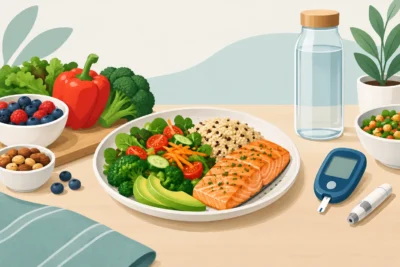
Why Blood Sugar Spikes After Breakfast


You wake up, eat what seems like a normal breakfast, and your glucose jumps higher than expected. If you have prediabetes, Type 2 diabetes, or stubborn morning readings, it makes sense to ask why blood sugar spikes after breakfast even when the rest of the day feels more stable. For many people, breakfast is the most misleading meal because hormones, food choices, sleep quality, and timing all collide in the first few hours after waking.
What you\'ll find in this article?
- Why blood sugar spikes after breakfast happens so often
- The dawn effect can set the stage
- Breakfast foods are often built for spikes
- Why blood sugar spikes after breakfast even with "healthy" foods
- Sleep, stress, and late-night eating matter more than most people think
- The order and composition of your meal can change the outcome
- Simple ways to reduce breakfast spikes
- When breakfast timing may be part of the problem
- When a spike is a sign to look deeper
Why blood sugar spikes after breakfast happens so often
Morning blood sugar is not just about what is on your plate. Your body is already in a different metabolic state when you wake up. In the early morning, hormones like cortisol and glucagon rise to help you get moving. That natural hormone surge tells the liver to release glucose into the bloodstream.
This is one reason breakfast can hit harder than lunch or dinner. You are not starting from zero. Your body may already be pushing sugar into circulation before the first bite.
If you are insulin resistant, the problem gets bigger. Insulin is supposed to help move glucose out of the blood and into cells. But when your cells do not respond well, glucose stays elevated longer. That means even a modest breakfast can create a larger spike than you expect.
This is also why two people can eat the same meal and get very different results. One person handles oatmeal and fruit well. Another sees a sharp rise and a slow return to baseline. Your morning hormones, muscle mass, sleep, stress, and insulin sensitivity all shape that response.

The dawn effect can set the stage
A common reason for high numbers after breakfast is the dawn phenomenon, sometimes called the dawn effect. This refers to the early morning rise in blood sugar caused by hormone activity before waking. The liver releases glucose, but the body does not always produce or use enough insulin to keep that rise in check.
When breakfast is added on top of that, the number can climb quickly. This does not always mean you ate a terrible meal. It may mean your body was already running high before breakfast started.
People often miss this because they focus only on the food. If your fasting glucose is already elevated, breakfast may simply reveal an issue that began an hour or two earlier. That is why tracking fasting blood sugar and post-breakfast blood sugar together can be more useful than looking at one number alone.
Breakfast foods are often built for spikes
Many classic breakfast foods are heavy in fast-digesting carbohydrates. Cereal, toast, bagels, pancakes, waffles, pastries, fruit juice, flavored yogurt, and sweet coffee drinks can all raise blood sugar quickly. Even foods marketed as healthy can be a problem if they are low in protein and fiber.
Take a common example: orange juice, a bowl of cereal, and toast. That meal may be low in fat and look light, but it can deliver a concentrated carbohydrate load with very little to slow digestion. Blood sugar rises fast, and hunger often returns early.

Even oatmeal can go either way. Instant oatmeal with brown sugar and dried fruit is very different from steel-cut oats paired with eggs, chia seeds, or nut butter. The first version digests quickly. The second is more balanced and tends to produce a gentler curve.
This is where many people get frustrated. They are trying to make better choices, but breakfast advice is often too general. Foods labeled whole grain, low fat, or heart healthy are not automatically blood sugar friendly.
Why blood sugar spikes after breakfast even with "healthy" foods
A healthy food is not always the right food for your glucose response. Bananas, oatmeal, whole grain bread, smoothies, and yogurt can all fit into a healthy diet, but they may still spike blood sugar depending on portion size and what you eat them with.
For example, a fruit smoothie can look like a wellness meal, but blending fruit breaks down fiber structure and makes it easy to consume a lot of sugar quickly. Add honey, juice, or sweetened protein powder, and the effect gets stronger.
The same goes for toast with avocado. It may be better than a doughnut, but if you are very insulin resistant, two slices of bread alone may still be too much first thing in the morning. Sometimes the issue is not that the food is bad. It is that your body handles carbs worse in the morning than later in the day.
Sleep, stress, and late-night eating matter more than most people think
If you slept poorly, feel stressed, or ate a heavy carb-rich dinner late at night, your morning numbers may be harder to control. Poor sleep can reduce insulin sensitivity the next day. Stress raises cortisol, which can push blood sugar higher. Late-night snacking may leave your body dealing with excess glucose into the morning.
This is why breakfast fixes do not always work by themselves. You can improve the meal, but if your sleep is broken, your stress is high, and your evening routine is working against you, the spike may continue.
That does not mean you need a perfect lifestyle to make progress. It means breakfast should be viewed in context. Better sleep, earlier dinners, and a calmer morning routine can make your first meal easier to handle.
The order and composition of your meal can change the outcome
What you eat matters, but so does how you build the meal. Protein, fat, and fiber help slow digestion and reduce how quickly glucose enters the bloodstream. Starting your day with mostly carbs leaves you more exposed to a fast spike.
A breakfast centered around eggs, plain Greek yogurt, cottage cheese, tofu, nuts, seeds, or a protein smoothie with minimal sugar usually performs better than one built around bread, cereal, or juice. Adding nonstarchy vegetables, berries, or chia seeds can improve the response even more.
Meal order may help too. Some people see better numbers when they eat protein and fiber first, then eat starch last. It is not magic, but it can soften the post-meal rise.
Simple ways to reduce breakfast spikes
If your numbers rise sharply after breakfast, focus on practical changes you can test for a week or two. Start by reducing liquid sugar. Juice, sweet coffee drinks, and smoothie shop blends can spike blood sugar faster than solid food.
Next, raise protein at breakfast. Many adults do better with 20 to 30 grams of protein in the morning rather than a carb-dominant meal. Eggs with vegetables, Greek yogurt with nuts and berries, or cottage cheese with cinnamon and seeds are common options.
It also helps to shrink the starch portion and see what happens. Instead of a large bowl of oatmeal, try a smaller serving paired with protein. Instead of two slices of toast, try one. Instead of fruit alone, combine it with nuts or yogurt.
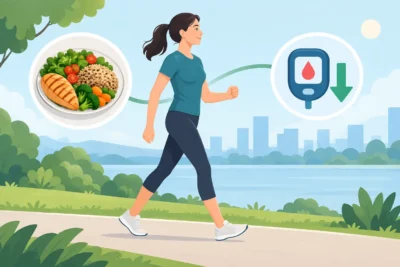
Movement is another simple tool. A 10 to 15 minute walk after breakfast can help muscles pull glucose out of the bloodstream. You do not need an intense workout. A short walk around the block can make a real difference.
When breakfast timing may be part of the problem
Some people eat very early when they are not hungry, then choose quick carbs out of convenience. Others wait too long, get overly hungry, and overdo breakfast. Both patterns can work against stable glucose.
There is no single perfect breakfast time for everyone. Some people do well eating within an hour or two of waking. Others feel better delaying breakfast slightly and choosing a higher-protein meal when true hunger shows up. The key is to track your own pattern rather than forcing a rule that does not fit your body.
If you monitor your glucose, compare different breakfast times and compositions. That kind of feedback can be more helpful than guessing.
When a spike is a sign to look deeper
If your blood sugar spikes after breakfast no matter what you eat, it may be time to look beyond breakfast itself. Persistently high fasting glucose, worsening insulin resistance, medication timing issues, poor sleep, and high stress can all be involved. For some people, the first meal is simply exposing an underlying control problem that needs more attention.
This is especially true if your readings stay elevated for hours or your A1C is creeping up. In that case, food changes still matter, but they may need to be part of a bigger plan that includes weight loss, regular walking, strength training, better sleep, and closer medical guidance.
At Diabetes Cure Now, the most effective approach is usually the least flashy one: test, observe, adjust, and repeat. Your body is giving you information every morning. The goal is not to fear breakfast. It is to build one that works with your metabolism instead of against it.
A steadier breakfast can become a turning point. When your first meal supports stable energy instead of a glucose roller coaster, the rest of the day often gets easier too.
Important notice: The content of Diabetes Cure Now is solely educational and informational and does not replace the evaluation, diagnosis, or treatment of a doctor or health professional. Before making changes to your diet, exercise, or medication, consult with a qualified professional..
Content reviewed for educational purposes and based on public medical sources.
Sources consulted
- American Diabetes Association (ADA)
- Mayo Clinic
- CDC
- NIH
12 Diabetic Recipes That Keep Meals Balanced
Diabetic Kidney Health Guide for Daily Protection

How to Start Walking With Diabetes Safely

10 Healthy Soups for Diabetics That Satisfy
Do Chia Seeds for Blood Sugar Really Help?

How to Reduce Dawn Phenomenon Naturally
Is Fruit Safe for Diabetes? What to Know
How to Walk After Meals for Better Blood Sugar