
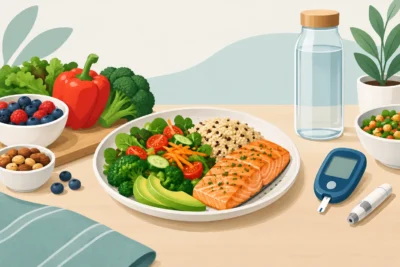
Fiber vs Protein for Blood Sugar


If your blood sugar seems to spike after one meal and stay steady after another, the difference often comes down to what was on the plate before the carbs even hit your system. When people ask about fiber vs protein for blood sugar, they are usually looking for one clear winner. The truth is better than that: both help, but they work in different ways, and knowing when to lean on each one can make daily blood sugar control much easier.
For most people with prediabetes, Type 2 diabetes, or insulin resistance, this is not just a nutrition debate. It is about fewer cravings, better energy, and more predictable readings. Once you understand what fiber does, what protein does, and how they work together, building blood-sugar-friendly meals gets much simpler.
What you\'ll find in this article?
- Fiber vs protein for blood sugar: what is the difference?
- Which one helps lower blood sugar spikes more?
- Why fiber is so powerful for blood sugar control
- Why protein matters if you have prediabetes or Type 2 diabetes
- Fiber vs protein for blood sugar at each meal
- What foods give you fiber and protein together?
- So which should you prioritize?
- The biggest mistake people make
Fiber vs protein for blood sugar: what is the difference?
Both slow down the roller coaster, but they do it through different mechanisms.
Fiber is the part of plant foods your body does not fully digest. It slows how quickly food moves through the digestive system and can reduce how fast glucose enters the bloodstream. That is one reason high-fiber meals often lead to a gentler rise in blood sugar compared with low-fiber meals that contain the same amount of carbs.
Protein works differently. It does not usually raise blood sugar much on its own, and it helps increase fullness after meals. That can make it easier to eat fewer refined carbs, snack less often, and avoid the hunger swings that lead to overeating. Protein can also support muscle maintenance, which matters because healthy muscle tissue helps your body use glucose more effectively.

So if you are looking for the short answer, fiber is often stronger at reducing the speed of a blood sugar rise from carbohydrate-containing meals, while protein is often stronger at improving satiety and helping you stay on track with overall blood sugar-friendly eating.
Which one helps lower blood sugar spikes more?
If the goal is to blunt a post-meal spike, fiber usually has the edge.
Soluble fiber, in particular, forms a gel-like substance in the gut. This slows digestion and glucose absorption. Foods like beans, lentils, oats, chia seeds, flaxseeds, apples, pears, and non-starchy vegetables can help create a more gradual blood sugar response.
That said, protein still matters. Adding protein to a meal can reduce how quickly you get hungry again and may help stabilize the meal overall, especially when it replaces processed carbs. For example, eating plain toast for breakfast is likely to affect blood sugar very differently than eating eggs with avocado and a slice of high-fiber toast.
The real-world answer is that a carb-heavy meal with very little fiber or protein is usually the most likely to cause a fast spike. A meal that includes both is usually the safest choice.

Why fiber is so powerful for blood sugar control
Fiber does more than slow digestion. It can also help with the bigger picture behind Type 2 diabetes.
Higher fiber intake is often linked with better weight control, improved cholesterol, healthier digestion, and better insulin sensitivity. That matters because blood sugar problems rarely happen in isolation. They are often connected to excess weight, poor appetite control, inflammation, and a pattern of eating highly processed foods.
Fiber-rich foods also tend to be more filling for fewer calories. A bowl of lentil soup, roasted vegetables, or a salad with beans can keep you satisfied in a way that crackers, white rice, or sugary cereal usually will not. Over time, that can support the kind of steady habits that move A1C and fasting glucose in the right direction.
There is one important trade-off: not all high-fiber foods are low in carbs. Beans, fruit, and whole grains can be helpful, but portion size still matters. If someone is very carb sensitive, they may need to test how specific foods affect their own glucose response.
Why protein matters if you have prediabetes or Type 2 diabetes
Protein deserves more credit than it sometimes gets.
If fiber helps manage the speed of glucose entering the blood, protein helps manage what happens next in your day. A protein-poor meal often leads to hunger a couple of hours later, and that can set off grazing, cravings, and blood sugar instability. A meal with enough protein is more likely to keep you full and reduce the temptation to reach for sweets or snack foods.
Protein also supports muscle, and that is a major advantage for metabolic health. The more lean muscle you maintain through aging, walking, resistance training, and adequate protein intake, the better your body can generally handle glucose. This is especially important for middle-aged and older adults, who naturally lose muscle over time if they do not actively protect it.
Still, more is not always better. Some people assume they should load up on protein bars, processed shakes, and huge portions of meat. That approach can crowd out vegetables and fiber-rich foods that are also essential. For some people with kidney disease, protein intake may need to be discussed with a healthcare professional. Context matters.
Fiber vs protein for blood sugar at each meal
Breakfast is where many people run into trouble first. A bagel, cereal, pancake stack, or muffin can send blood sugar up fast, especially if the meal is low in fiber and protein. A better breakfast might include Greek yogurt with chia seeds and berries, or eggs with sautéed vegetables and a small serving of steel-cut oats.
At lunch, protein often helps prevent the afternoon crash. A salad with chicken, salmon, tofu, or beans is usually more stable than a sandwich made with white bread and chips. Add fiber from vegetables, avocado, or legumes, and you get even more staying power.
Dinner is a good time to think in balance. If your plate is mostly pasta, rice, or potatoes, blood sugar may rise quickly. If you shift the plate toward non-starchy vegetables, include a solid protein source, and keep carbs moderate and high in fiber when possible, the effect is often much smoother.
What foods give you fiber and protein together?
Some of the best foods for blood sugar offer both. These are especially useful because they help with fullness and glucose control at the same time.
Beans, lentils, chickpeas, edamame, and some higher-protein whole grains can be strong choices. Nuts and seeds also help, though portions should be moderate because calories add up fast. Foods like these can fit well into a natural-first blood sugar strategy because they are minimally processed and easy to use in everyday meals.
Animal proteins such as eggs, fish, chicken, turkey, and cottage cheese provide protein but not fiber, so they pair best with vegetables, beans, or other fiber-rich plant foods. That pairing is where the magic usually happens.
So which should you prioritize?
If you currently eat very little fiber, increasing fiber may bring the most noticeable improvement in post-meal blood sugar. If you often feel hungry soon after eating or struggle with cravings, protein may be the missing piece. For many people, both problems are happening at once.
That is why choosing between fiber and protein is often the wrong question. A better question is this: how can you build meals that include enough of both while keeping processed carbs in check?
A practical way to do that is to start with protein, add plenty of non-starchy vegetables, and then choose a smart carb that brings fiber. That might look like grilled chicken with broccoli and lentils, salmon with asparagus and a small serving of quinoa, or cottage cheese with berries and ground flax.
You do not need a perfect diet to see progress. You need repeatable meals that keep your blood sugar steadier than what you were eating before.
The biggest mistake people make
Many people focus only on cutting sugar and forget about meal composition. They avoid dessert but still eat low-fiber, low-protein meals that digest quickly and leave them hungry. Others focus heavily on protein and ignore fiber, then wonder why digestion, cholesterol, or glucose control is still not where they want it to be.
The goal is not to pick a side. It is to create meals that work with your body instead of against it.
If you track your blood sugar at home, this is a great place to learn from your own body. Try comparing a lower-fiber breakfast with one that includes more fiber and protein. Watch how you feel afterward and what your readings do. Those small experiments can teach you more than nutrition theory alone.
For readers of Diabetes Cure Now, this is one of the most encouraging parts of lifestyle change: simple food adjustments can produce measurable results. You do not have to wait for a major overhaul to start improving your numbers.
The strongest long-term strategy is usually not fiber alone or protein alone. It is a steady pattern of meals built around both, with less refined starch, fewer blood sugar triggers, and more foods that keep you full, satisfied, and in control. Start with your next meal, not next month.
Important notice: The content of Diabetes Cure Now is solely educational and informational and does not replace the evaluation, diagnosis, or treatment of a doctor or health professional. Before making changes to your diet, exercise, or medication, consult with a qualified professional..
Content reviewed for educational purposes and based on public medical sources.
Sources consulted
- American Diabetes Association (ADA)
- Mayo Clinic
- CDC
- NIH
12 Diabetic Recipes That Keep Meals Balanced
Diabetic Kidney Health Guide for Daily Protection

How to Start Walking With Diabetes Safely
10 Healthy Soups for Diabetics That Satisfy
Do Chia Seeds for Blood Sugar Really Help?

How to Reduce Dawn Phenomenon Naturally
Is Fruit Safe for Diabetes? What to Know

How to Walk After Meals for Better Blood Sugar